
Last updated November 25, 2026
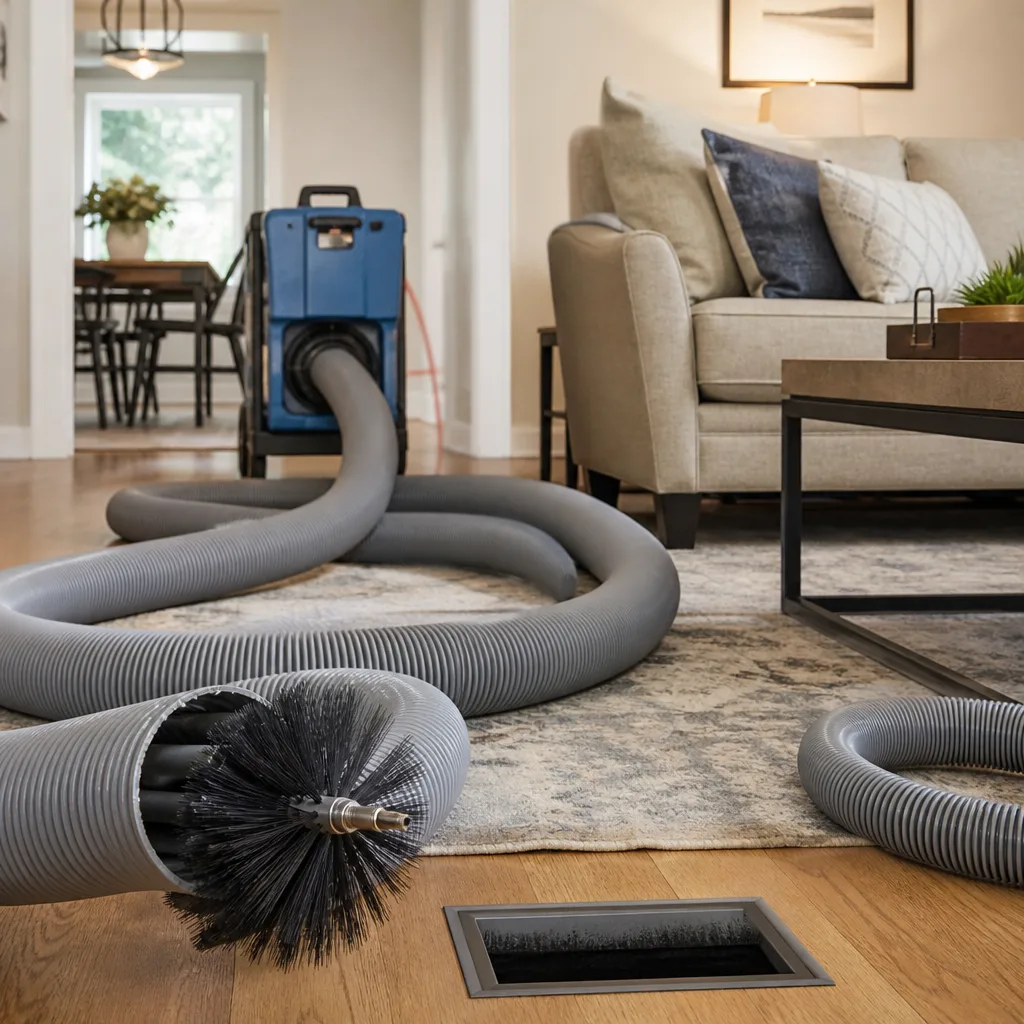 Whole-home duct cleaning
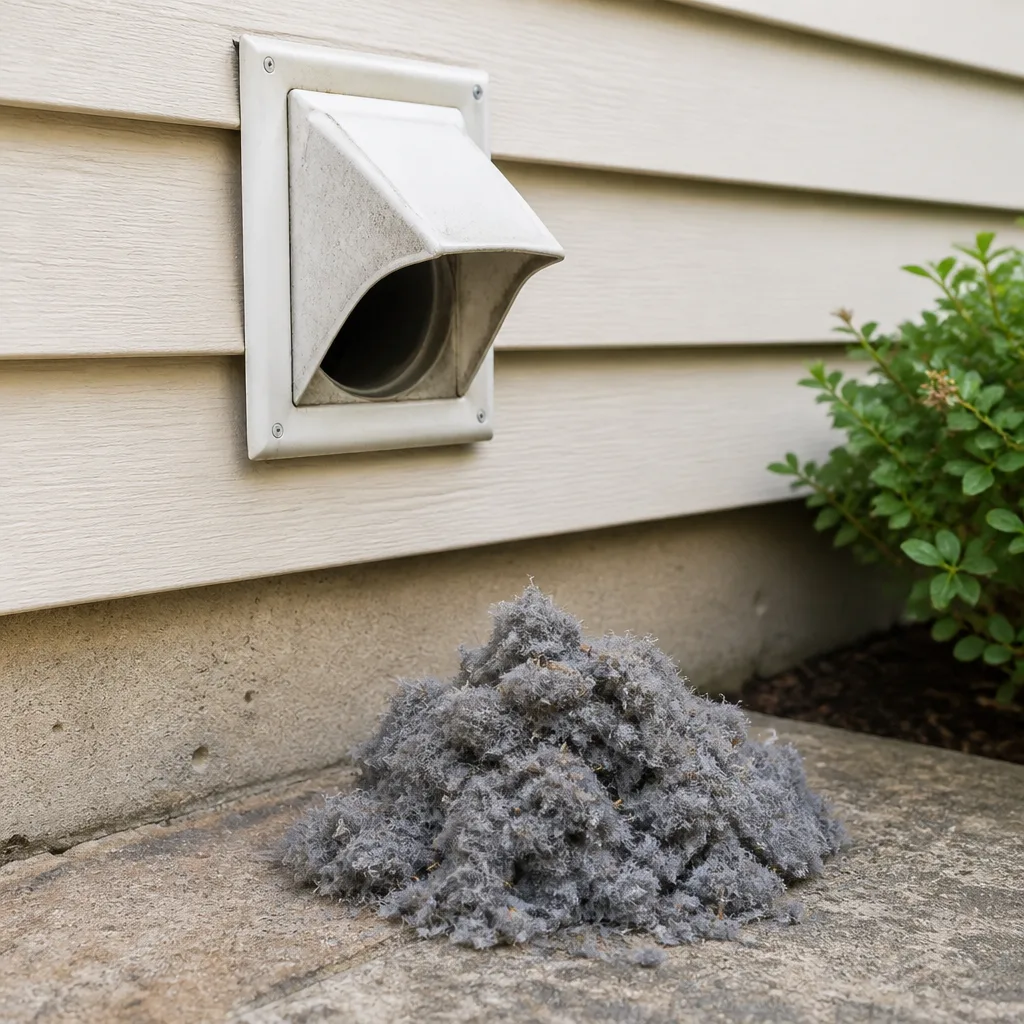 Dryer vent cleaning
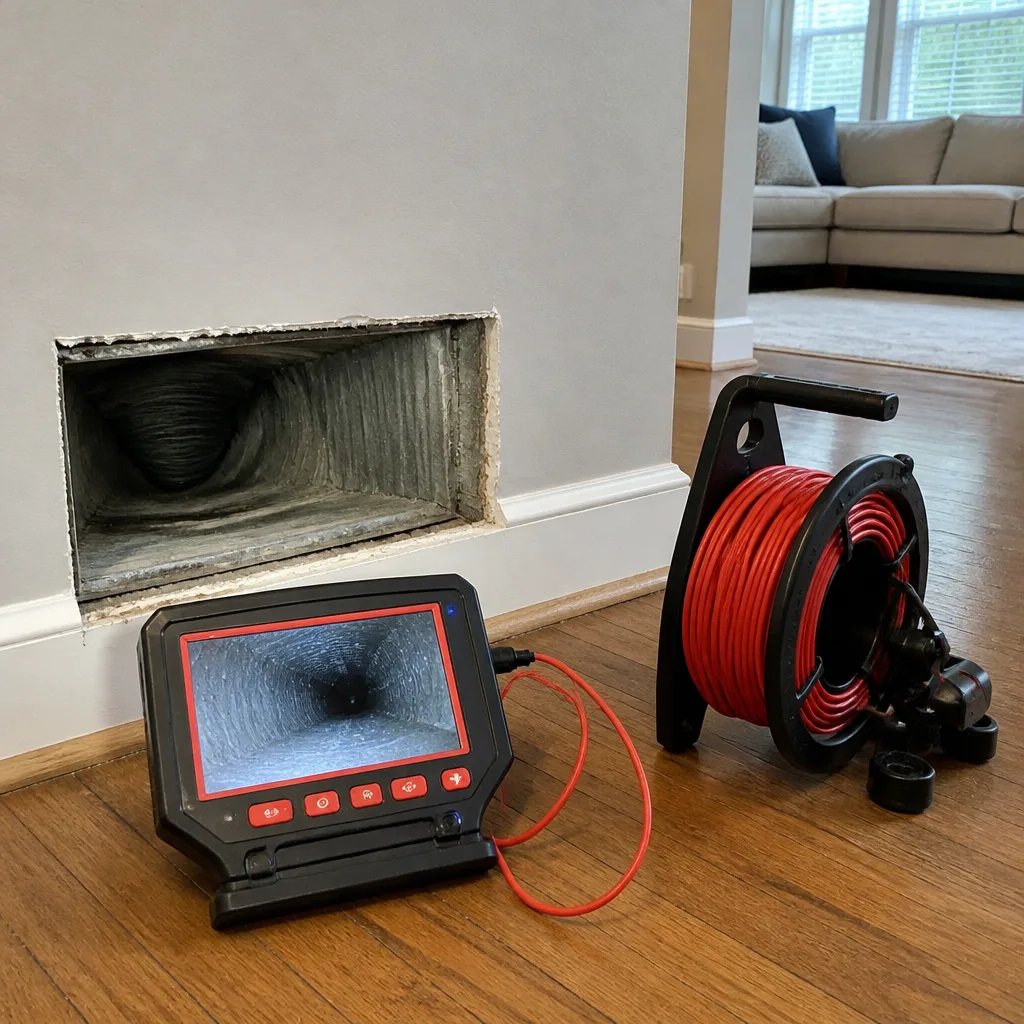 Camera inspection
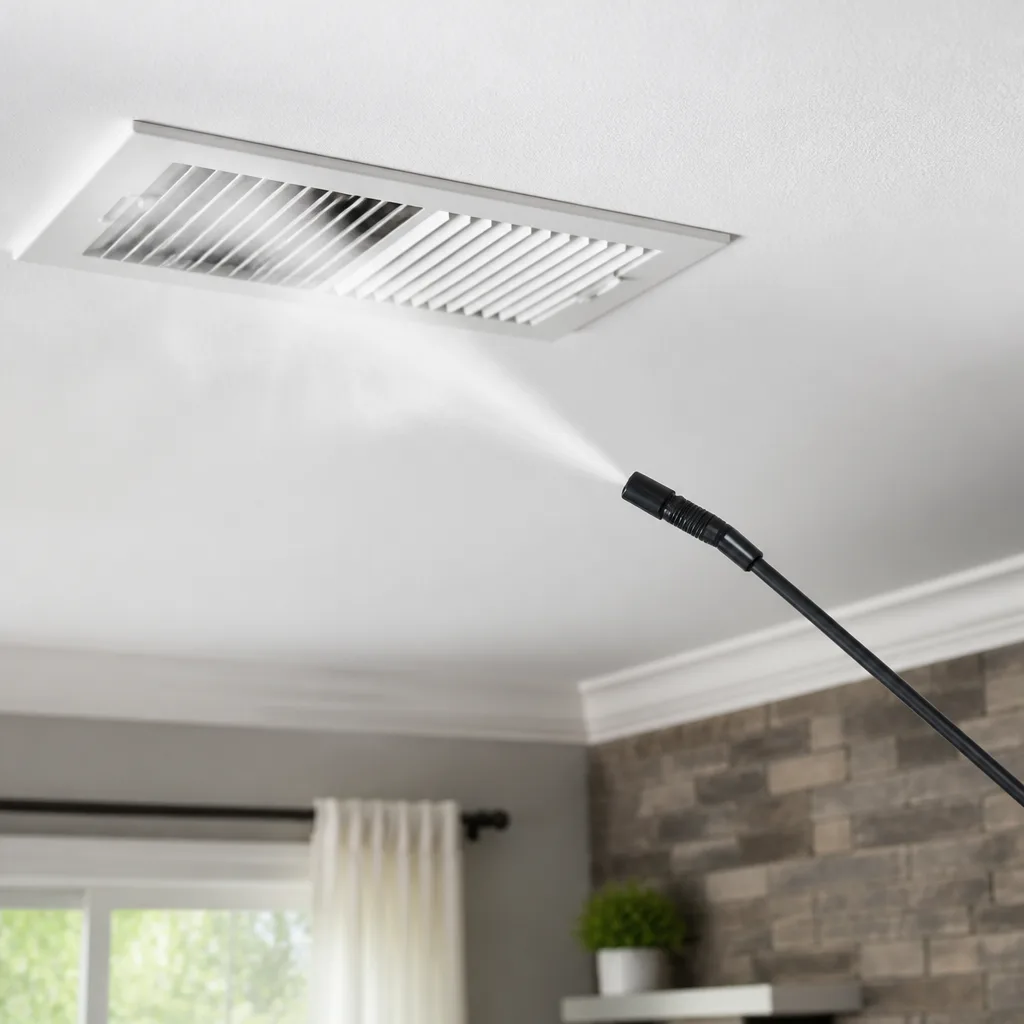 Sanitizing & deodorizing
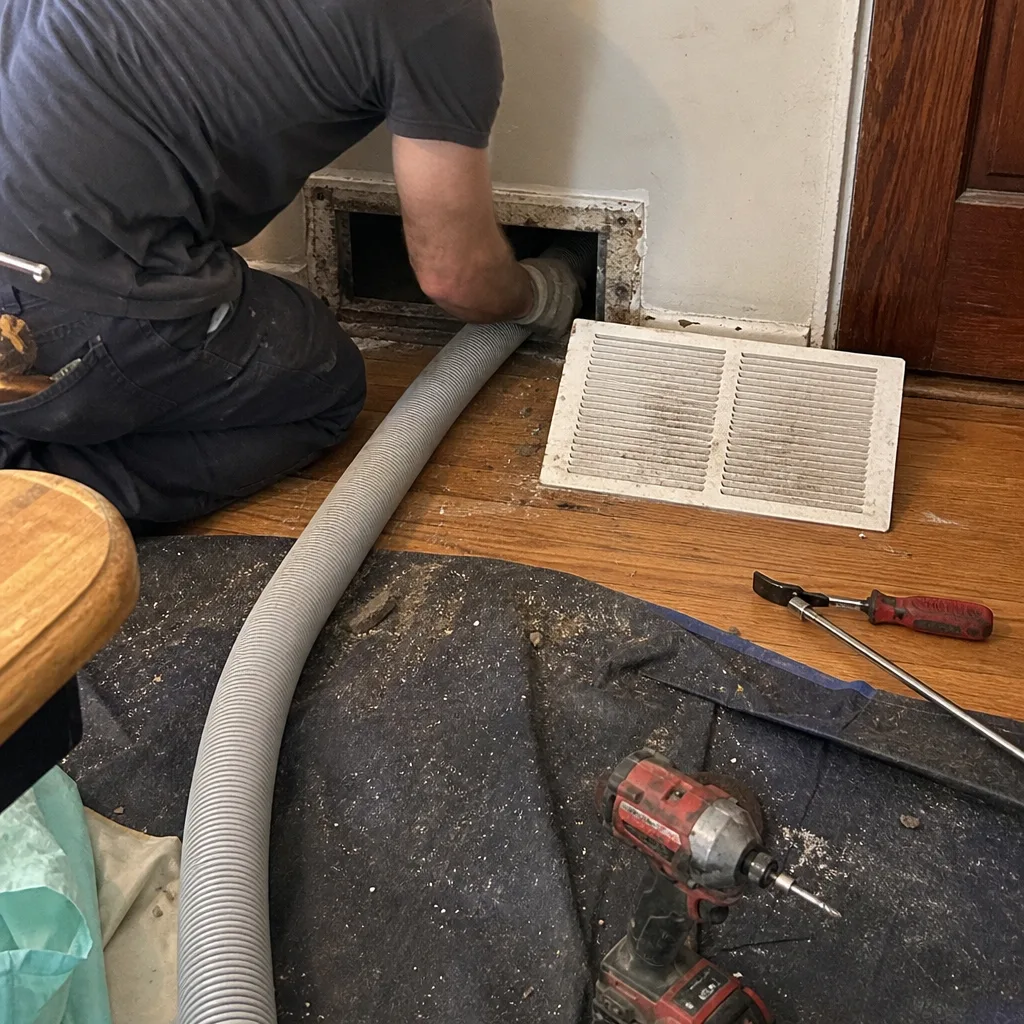
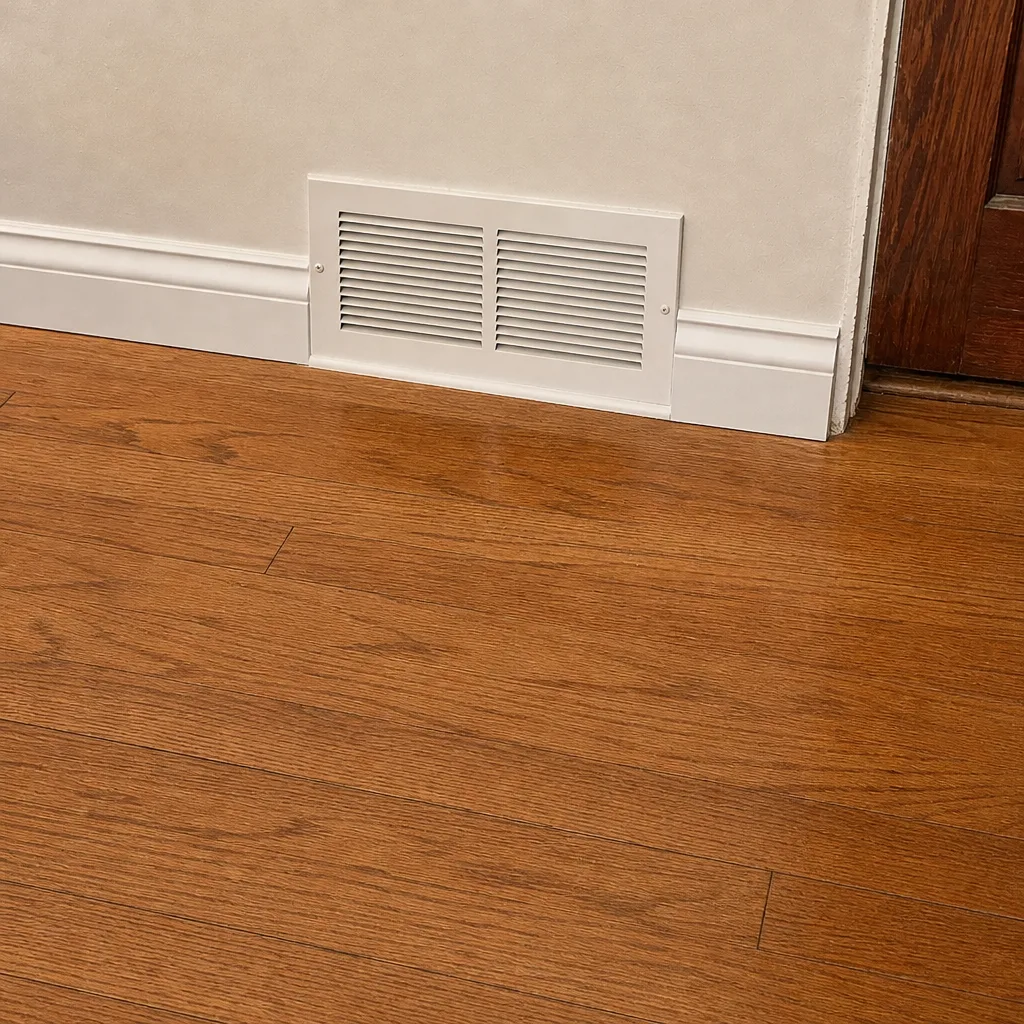
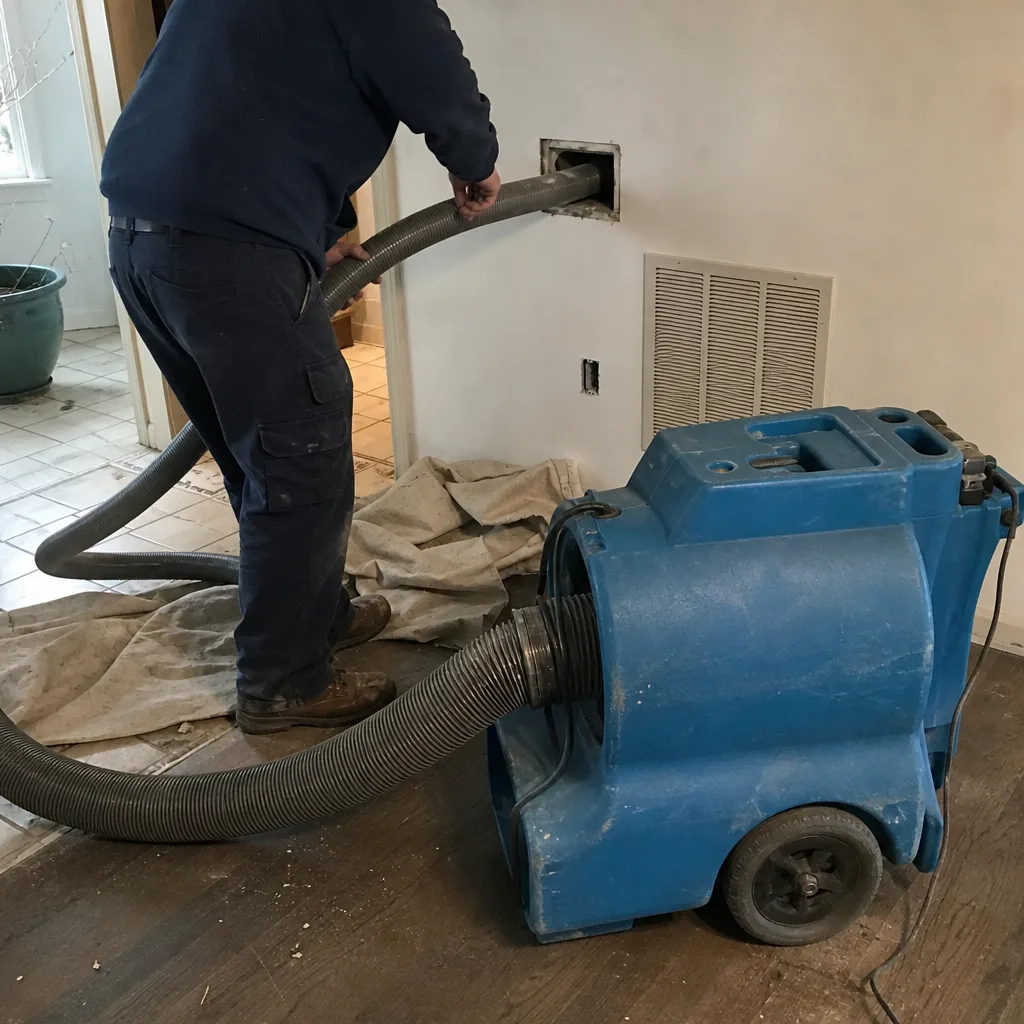
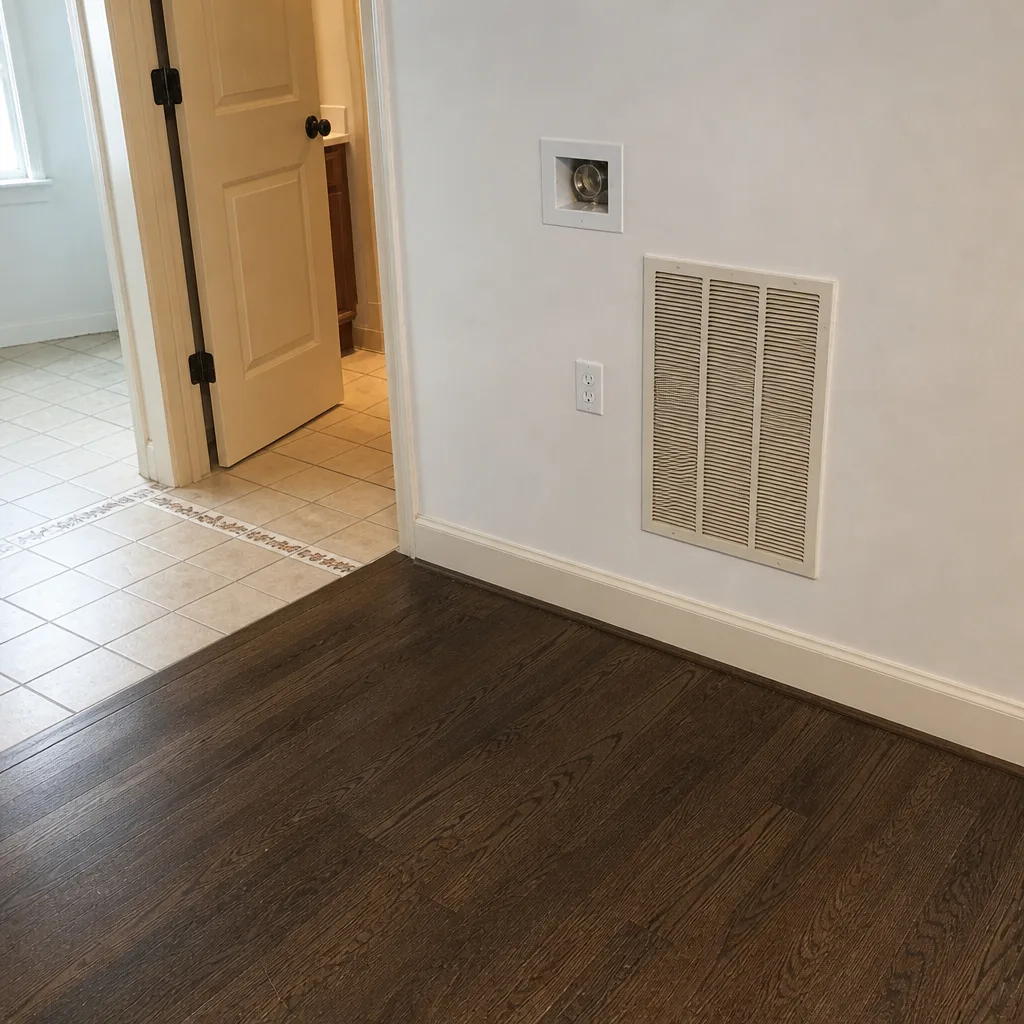
Whole-system duct and dryer vent check with before-and-after photos - you see exactly what came out of your vents
That "$99 whole-house special" is a bait ad - the real number appears once they are in your hallway, or the "clean" is a shop-vac at the register. We photograph the inside of your ducts before and after instead.
Air Duct Cleaning Warning Signs: A Charleston Homeowner’s Reference Guide
If one room in your house smells musty only when the heat or the AC kicks on, that isn’t a humidity problem. It’s the duct system telling you there’s something growing on a surface your air passes over every time the blower runs. The tricky part about ducts is that they rarely look dirty from the outside, so most Charleston homeowners don’t notice a problem until it’s been building for a while. This guide walks through the seven signals a duct system gives off when it’s overdue for service, how to tell a duct symptom from a different HVAC problem, and which signals mean call now versus call when you can. Read it once and you’ll know what your house is telling you.
Quick Answer
The main warning signs of dirty or damaged air ducts are a musty or stale smell that appears only when the HVAC runs, visible dust streaks around supply registers, weaker airflow in some rooms than others, a persistent film of dust on surfaces days after cleaning, unusual rattling or whistling from the vents, and allergy-type symptoms that ease when you leave the house. If you notice several of these together in a Charleston home, the duct system is the likely source and a professional inspection is the right next step. One sign on its own usually isn’t urgent. A cluster of them is.
Styles & brands we work with
- Whole-home duct cleaning
- Dryer vent cleaning
- Camera inspection
- Sanitizing & deodorizing
Table of Contents
- The Seven Sensory Signals Your Ducts Send
- The Smell Test: What Odor Tells You About Duct Condition
- Is It the Ducts or the HVAC? How to Tell the Difference
- Health Symptoms That Track With Contaminated Ducts
- What You Can Check Yourself Without Special Tools
- Emergency vs. Scheduled Service: What Counts as Urgent
- Dryer Vent Warning Signs You Should Never Ignore
- What Air Duct Cleaning Costs in Charleston
The Seven Sensory Signals Your Ducts Send
Duct problems announce themselves through your senses long before they show up on a repair bill. Here’s what each signal most often points to, and why it matters in a Charleston home where the HVAC runs hard through long humid stretches.
- Smell. A musty or earthy odor that appears when the system runs usually means moisture has collected on a duct surface and something is growing there. A sharper, almost chemical smell can point to a failing component or debris near the air handler.
- Sight – dust at the registers. Dark streaks around supply vents, or a puff of dust when you switch the system on, means the ducts are shedding particulate into the room, not just filtering it.
- Sight – dust returning fast. If you dust a shelf and it’s coated again within a few days, the source is likely upstream of the room.
- Sight – visible debris inside a return. Shine a light into an accessible return grille and look for lint, crumbs, or a dark film on the metal. That’s a direct read on duct condition.
- Sound – rattling or popping at startup. Loose or disconnected duct sections flex when the blower engages. It’s a sign of a seal failure, not just noise.
- Sound – whistling. A high-pitched whistle usually means the system is pushing against a restriction or a partially closed damper.
- Airflow – uneven rooms. If one room is always cooler or warmer and the vents there feel weak, the duct serving it may be blocked, crushed, or leaking.
In our experience, Charleston homes tend to show the smell and dust signals first, and the airflow and sound signals show up later once the restriction or leak has had time to develop. Catching them in the first group is cheaper than catching them in the second.
The Smell Test: What Odor Tells You About Duct Condition
Odor is the most reliable early signal, and it’s also the one homeowners most often misdiagnose. A smell that appears only when the HVAC runs is a duct smell. A smell that’s there all the time is usually coming from somewhere else in the house.
Here’s how to test it honestly, without specialized tools:
- Turn the HVAC off and leave the house closed up for a couple of hours.
- Walk in and note whether the smell is present. If it isn’t, the duct system is the leading suspect.
- Turn the system back on and stand near a supply register. If the smell intensifies, the ducts are moving contaminated air into the room.
- Compare rooms. If one register smells different from the others, the problem is localized to that branch of the system rather than the whole duct network.
What the smell tells you structurally depends on what it resembles. A musty, wet-earth smell points to biological growth on a duct surface, which is common in Charleston homes where the air handler and ducts live in humid, unconditioned spaces. A dusty, “old basement” smell usually points to accumulated particulate rather than moisture. A burning or hot-plastic smell is a different category entirely – shut the system off and call for service, because it can indicate an electrical or motor problem.
The deeper point: smell is a measurable signal, not just a nuisance. If you can smell it, the air in the room is carrying something you’d rather it didn’t. Professional air duct cleaning addresses the source, and where growth is present, sanitizing applied with odor inside a sealed duct system in our experience for a homeowner with a recurring smell complaint is the difference between symptom relief and source removal.
Is It the Ducts or the HVAC? How to Tell the Difference
This is where homeowners spend money on the wrong service. A weak-airflow complaint can be a dirty duct system, a failing blower, a clogged filter, or a refrigerant issue – and paying for a duct cleaning when the real problem is the equipment won’t fix the symptom. Here’s how to sort them out before you call.
- A dirty filter is not a dirty duct. Check the filter first. If it’s caked and the system still weakens after you replace it, the ducts are the next suspect.
- Duft symptom, single room. A problem confined to one room usually points to that branch of the duct system – a crushed section, a disconnected joint, or a closed damper. A whole-house weakness points to equipment or main-trunk restriction.
- Warm air from a supply vent in cooling mode. If a vent is blowing warm air while the system runs, the duct may be leaking in an unconditioned space or the run is pinched. In a Charleston attic, that’s a real scenario, and it’s a duct problem, not a refrigerant problem.
- Condensation on ducts or registers. Water where it shouldn’t be is a sealing and insulation issue – call for a duct inspection, not a cleaning.
- Frost or ice on the refrigerant line. That’s an HVAC equipment issue, not a duct issue. Call your HVAC technician.
- Loud mechanical grinding or a tripped breaker. Equipment problem. Stop running the system and get it looked at.
In our experience, Charleston homes with older duct systems often have two problems at once: equipment that’s still working fine and ducts that have lost their seal or collected debris over years of running hard. That’s why a proper evaluation looks at the whole system, not just the ducts. Our HVAC cleaning service exists for that reason – the equipment and the duct system are evaluated together, because a dirty air handler will dirty the ducts again fast. If a homeowner is unsure which side of the line they’re on, a diagnostic visit with a written estimate is worth the call before they commit to anything.
Health Symptoms That Track With Contaminated Ducts
We’re not doctors and we don’t diagnose medical conditions. But there’s a widely observed pattern in homes with poor indoor air quality: allergy-type symptoms that are worse at home and better away from it, and a homeowner who can’t quite identify the source. Tracking those symptoms against HVAC service is a reasonable way to test the connection.
The common observations in homes with contaminated duct systems include:
- Morning congestion or a scratchy throat that eases a few hours after leaving the house.
- Eye or nasal irritation that gets worse when the system runs, particularly after long stretches of closed-window living.
- A cough that shows up in one room more than others.
- Recurring headaches with no clear cause, worse in rooms with the weakest airflow.
- Dust settling so fast that normal cleaning can’t keep up.
The tracking method that actually works is simple: keep a short daily note for one week – what the symptoms were, what time of day, and whether the HVAC was running. Then have the ducts cleaned and note the same information for a week after. If the pattern improves, the duct system was likely contributing. If it doesn’t, you’ve eliminated a variable and the next step is an air quality evaluation, which may involve filtration products. That’s where fluency with systems matters: we work with Aprilaire and Honeywell filtration and air-quality products because they let us address what’s in the air rather than just what’s in the ducts, and that’s the difference between cleaning and actually improving the air in a Charleston home.
What You Can Check Yourself Without Special Tools
You don’t need a borescope to read the most useful signals in your own home. A flashlight, a stepstool, and fifteen minutes will tell you a lot about whether it’s time to call. Here’s a numbered walk-through.
- Pull a supply register and look inside the boot. A flashlight aimed into the ductwork will show dust film, lint, or debris. If you can see it, it’s there.
- Check the return grille. the return pulls air back to the air handler, so it often shows the dirtiest reading in the house. A dark film on the grille or visible dust along the edges of the opening is a strong signal.
- Look at the air handler and the duct connections around it. Tape peeling at joints, gaps at the plenum, or ducts that sag and look separated are all visible without tools. Those gaps are also where air is leaking out.
- Compare airflow at each register with a tissue. Hold a tissue at each vent. If one flutters weakly and the others don’t, the problem is likely that branch. If most are weak, the problem is upstream.
- Sniff each room when the system first starts. A note-then-compare approach works better than trying to remember.
- Inspect accessible duct runs in the attic or crawlspace if you have safe access. Look for disconnected sections, crushed flexible duct, and pooled moisture. Don’t walk on joists over open ceiling below – if it’s not safely reachable, don’t go.
What you’re not doing is disassembling anything or reaching into ductwork further than your arm and a flashlight permit. Ducts in Charleston homes are often connected to the air handler in ways that shouldn’t be disturbed by a homeowner, and limited access is normal. Visual inspection gives you enough information to make the call, and a professional with proper equipment like Nikro and Rotobrush systems gives you the full picture.
Emergency vs. Scheduled Service: What Counts as Urgent
“Emergency” in an air quality context is narrower than homeowners expect. Most duct problems are not emergencies – they’re maintenance items that should be scheduled. A handful of signals, though, warrant stopping normal use and getting help without waiting.
Signals that warrant immediate action:
- A burning, hot-plastic, or electrical smell from any register. Shut the system off at the thermostat and don’t restart it.
- Visible mold on duct surfaces near the air handler or in accessible runs.
- Pest activity – droppings or a nest inside a return.
- Heat or smoke coming from a vent.
- A dryer vent that’s hot to the touch, or clothes that take much longer than they used to (see the next section).
Signals that warrant scheduling, not stopping the system:
- Musty smell, dust streaks, uneven airflow, mild rattling.
- A single weak register.
- Dust settling faster than usual.
The distinction matters because it protects your equipment and your safety. If you’re not sure which category you’re in, call and describe the signal. We answer 24/7. Fast dispatch from 7am to 7pm, Sunday through Friday. A call outside dispatch hours is booked into the next opening.
Dryer Vent Warning Signs You Should Never Ignore
The dryer vent is a duct run too, and it’s the one that carries a fire risk rather than a comfort risk. Most duct-cleaning services treat the dryer vent as an upsell. We treat it as its own dedicated service because the signals are easy to miss and the consequence isn’t cosmetic.
Watch for these:
- Clothes taking noticeably longer to dry, or taking a second cycle to finish.
- The dryer body or the outside of the vent feeling hot when the dryer runs.
- A burning or overly warm smell near the dryer.
- Lint visibly collecting around the dryer collar or around the outside vent hood.
- A flap on the outside vent hood that stays closed or doesn’t open fully when the dryer runs.
- A dryer that shuts off early or trips the reset button.
The fix is straightforward dryer vent cleaning, and it’s a job worth taking off your own list because getting the full vent run – not just the last few feet – requires equipment most homeowners don’t have. In our experience the most common cause of a slow-drying dryer in a Charleston home is a lint restriction somewhere in the middle of the run, and that’s the part you can’t reach with a vacuum attachment.
What Air Duct Cleaning Costs in Charleston
This is where most homeowners get burned, and it’s not because the work is expensive – it’s because the pricing model is what it is. Many companies advertise a low per-vent teaser and price the job per register, which means a larger home quietly becomes a much larger invoice. We don’t price that way.
The pricing approach we take is one flat price for the whole system, agreed in a written estimate before any work starts. Typical estimated ranges for the kinds of jobs we see in Charleston are below. They’re estimates, not quotes, and the written estimate always sets the final price.
- Standard air duct cleaning, typical residential home: whole-system flat price, based on the number of systems and the extent of the duct run. No per-vent pricing.
- Duct repair and sealing: priced per job after inspection, based on how many runs need attention and the type of repair.
- Air quality and sanitizing: quoted as add-on work with the cleaning when growth or odor is present, based on square footage and the products used.
- Dryer vent cleaning: flat price per vent run.
Before you agree to anything, ask three questions. What’s the flat price for the whole system? What does it include, and what isn’t in it? And will we see before-and-after photos of our own ducts? If a company can’t answer “yes” to the third question, that’s your signal. We take before-and-after photos on every job because it’s the only way you can confirm the work was actually done – and that’s the answer to the bait-and-switch reputation the industry has to live down.
For a clear number, call (877) 792-6016. Estimates are free.
Common Mistakes to Avoid
- Hiring on price alone. The cheaper quote is often the start of a two-part visit where the second part costs more. Ask for a flat whole-system price in writing before you book.
- Skipping the filter check. A clogged filter mimics a dirty duct system so closely that it fools homeowners every week. Replace it, run the system a day, and re-evaluate before you pay for a cleaning.
- Confusing duct cleaning with HVAC cleaning. A dirty air handler will dirty the ducts again quickly. If your system has a dirty coil or blower, the ducts and the equipment should be looked at together.
- Ignoring the dryer vent. It’s the most safety-relevant duct in the house and the one most often left off the service list. If the dryer feels hot to the touch, that’s a call-now signal.
- Believing a single visible register tells the full story. The duct run you can see from a register is a small fraction of the system. Looking at one vent and concluding “looks fine” is how problems get missed.
- Treating odor as a nuisance. If the smell appears only when the HVAC runs, the air you’re breathing is carrying it through every room. That’s a system condition, not a scented-candle problem.
- Assuming a one-time cleaning is forever. Ducts don’t need annual attention in most homes, but they do need re-evaluation if the signals return – and the dryer vent should be checked far more often than the duct trunk.
See the difference
 Before
 After
 Before
 After
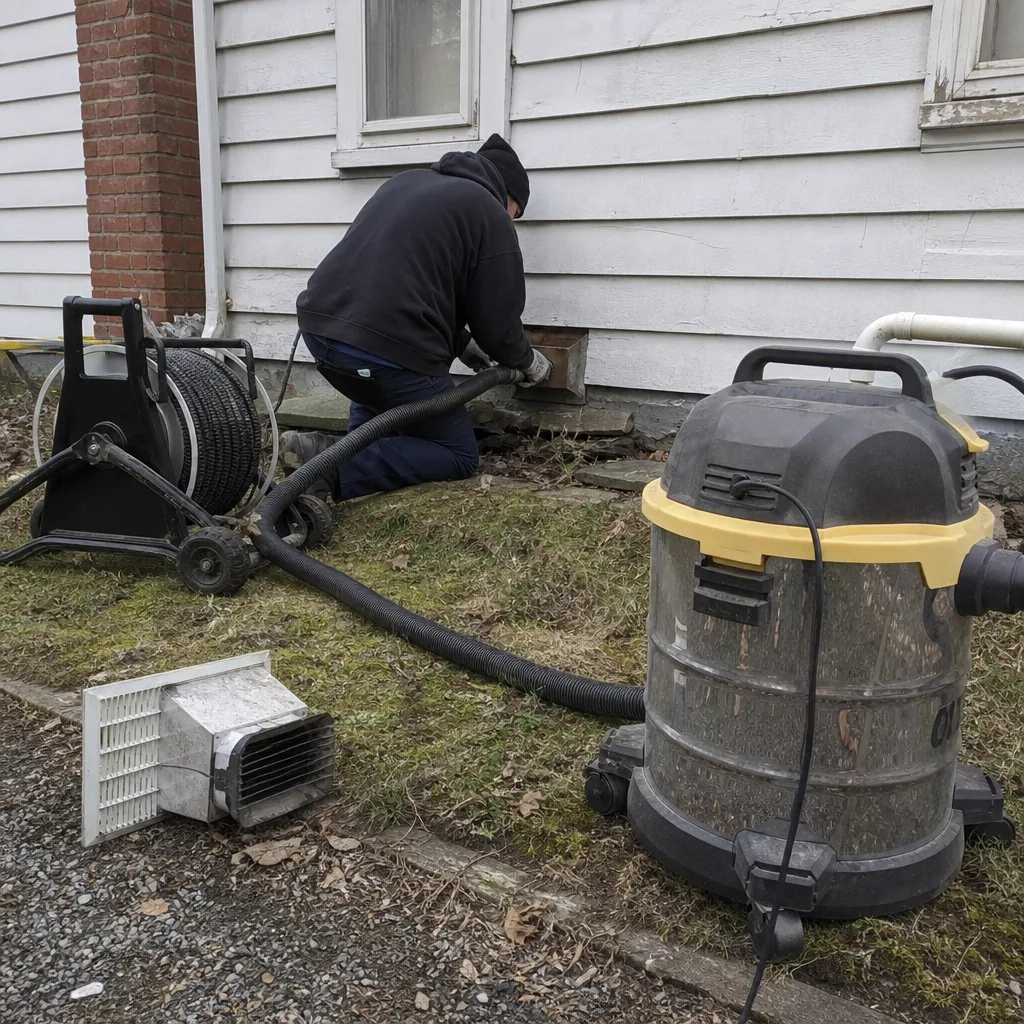 Before
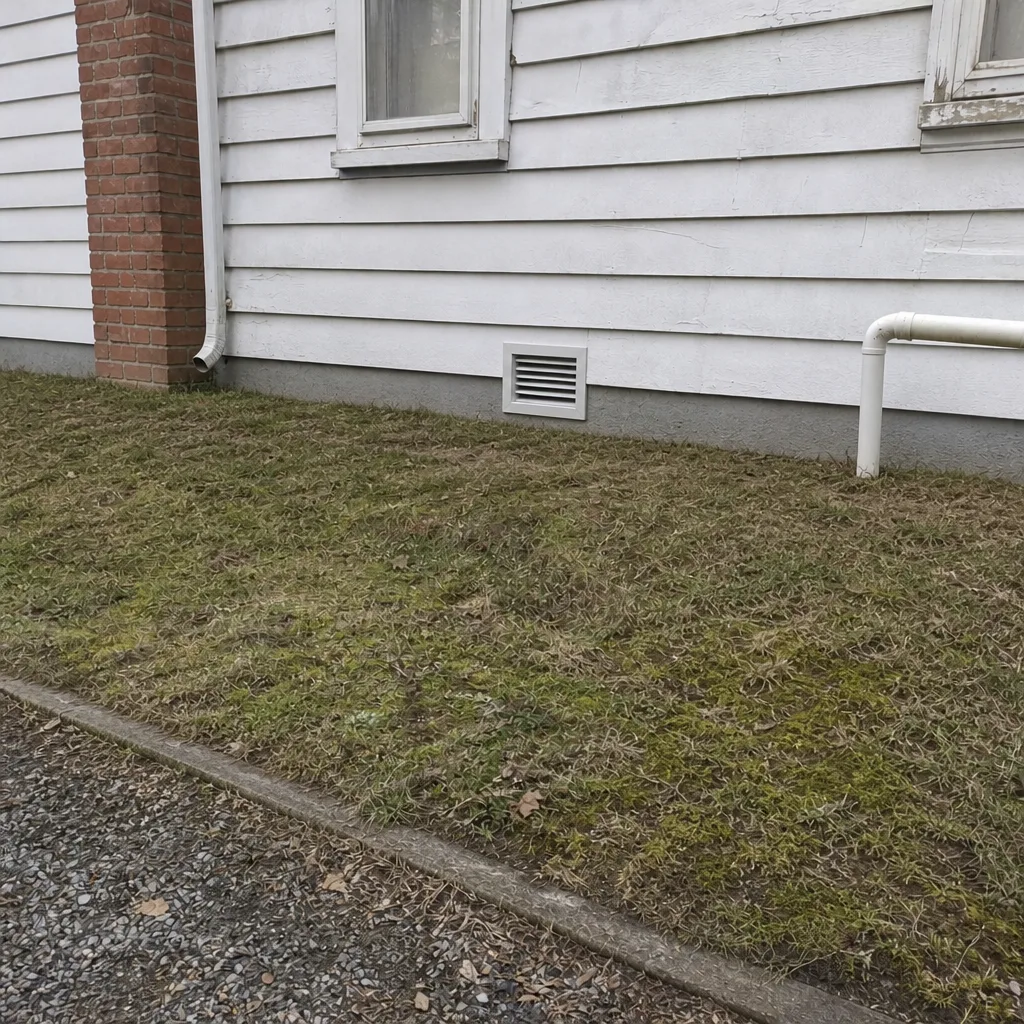 After
When to Call a Professional
Call when you can smell the system, when you can see what the system is moving, when one room is persistently weak, or when a dryer vent feels hot. Any one of those on its own is worth a call. Several together is worth calling today. If you’re unsure whether you’re looking at a duct problem or an equipment problem, an inspection sorts it out and you’ll get a written estimate before any work starts, so the next step is yours to approve. Charleston Air Duct Cleaning Pros offers free estimates in Charleston – call (877) 792-6016. We answer 24/7. Fast dispatch from 7am to 7pm, Sunday through Friday. Our technicians have up to 14 years of experience and use Rotobrush and Nikro professional equipment on every job, so the answer you get is based on what’s actually inside the system, not a guess from the living room.
Frequently Asked Questions
The first warning signs are usually a musty smell that appears only when the HVAC runs, visible dust streaking around supply registers, and dust settling on surfaces faster than usual after cleaning. Airflow and noise signals typically come later. If you notice two or more of those at once in a Charleston home, an inspection is the right next step.
No, but it’s the most likely cause. A musty smell that appears only when the system runs usually means moisture has collected on a duct surface and something is growing there. A musty smell that’s present all the time may be coming from elsewhere in the house. The test is to shut the system off for a couple of hours, walk in and smell, then run it and smell again – if the smell appears only when it runs, the ducts are moving it. Call (877) 792-6016 for a free estimate if that’s what you find.
Most homes don’t need duct cleaning on a fixed schedule; they need it when the system shows signs it’s overdue. If the signals return – smell, dust, uneven airflow – that’s the trigger, not the calendar. Homes with pets, recent renovation dust, or a chronically dirty return grille tend to reach that point sooner.
Some quotes are cheap because they’re per-vent teasers that become a much larger invoice once the technician is on site. A flat price for the whole system, agreed in writing before work starts, is the way to compare honestly. Ask what’s included, what isn’t, and whether you’ll get before-and-after photos of your own ducts. If the answer to the photos is no, that’s a sign to keep looking. Call (877) 792-6016 for an exact quote – estimates are free.
Before-and-after photos of your own ducts are the only way to be confident the work was completed. We take them on every job. If you’re not shown the photos before and after, you’re relying on the technician’s word rather than evidence.
Dirty ducts can circulate dust and debris that aggravate allergy-type symptoms, particularly in homes that run the HVAC through long humid stretches with closed windows. We don’t diagnose medical conditions, but tracking symptoms for a week before and after service is a reasonable way to see whether the duct system is a contributor. If it is, cleaning is the first step; filtration using Honeywell or Aprilaire products is often the follow-on conversation. Call (877) 792-6016 for a free estimate.
The Bottom Line
Dirty ducts rarely look dirty from the outside, which is why the senses matter more than the eye. Smell, dust at the registers, dust returning too fast, weak airflow in one room, rattling or whistling at startup, visible debris in a return – each of those is a specific signal pointing to a specific system condition. The trick is to sort a duct symptom from an HVAC equipment symptom before you pay for the wrong service, and to treat the dryer vent as a safety issue rather than an afterthought. If you’re looking at Charleston Air Duct Cleaning Pros for help, what you’re really looking for is a flat price for the whole system, before-and-after photos, and a team that repairs what it finds. Call (877) 792-6016. We answer 24/7. Fast dispatch from 7am to 7pm, Sunday through Friday.
Written by the team at Charleston Air Duct Cleaning Pros.