
Last updated November 25, 2026
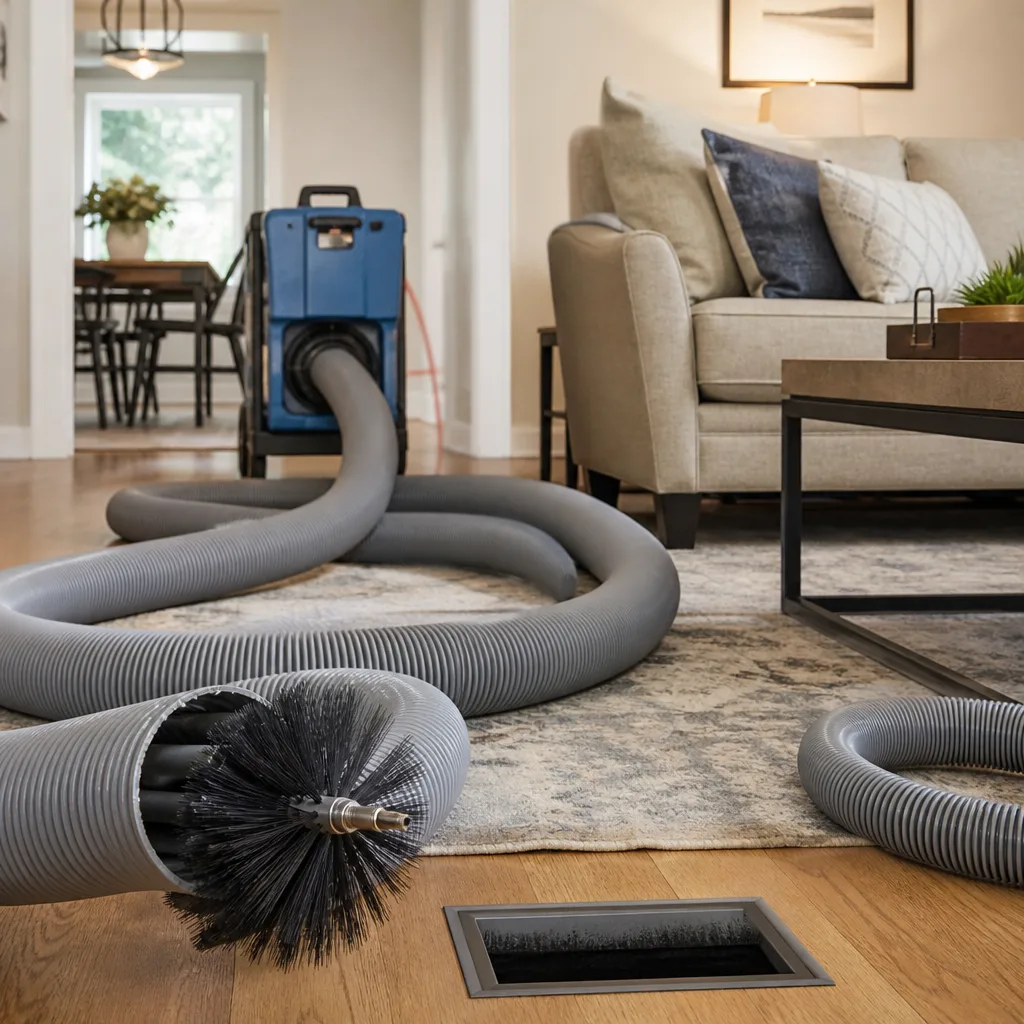 Whole-home duct cleaning
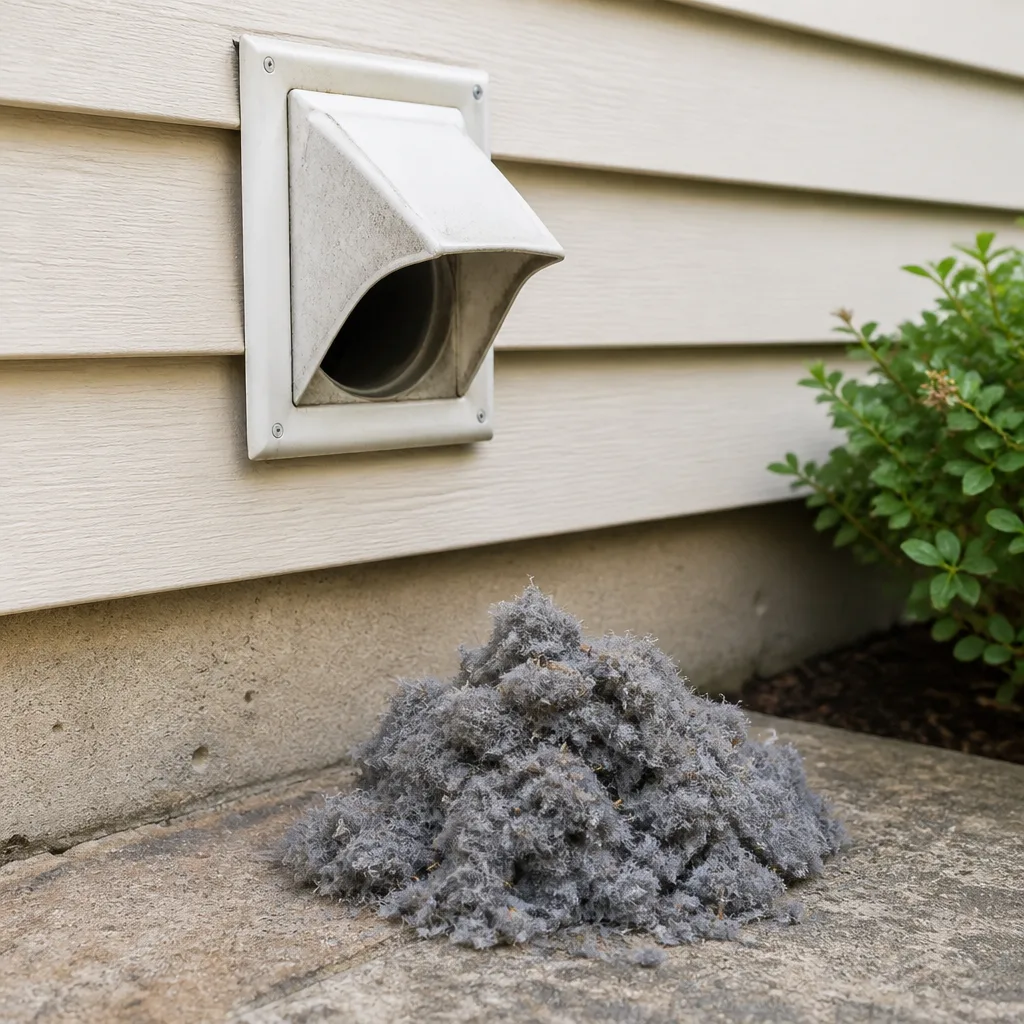 Dryer vent cleaning
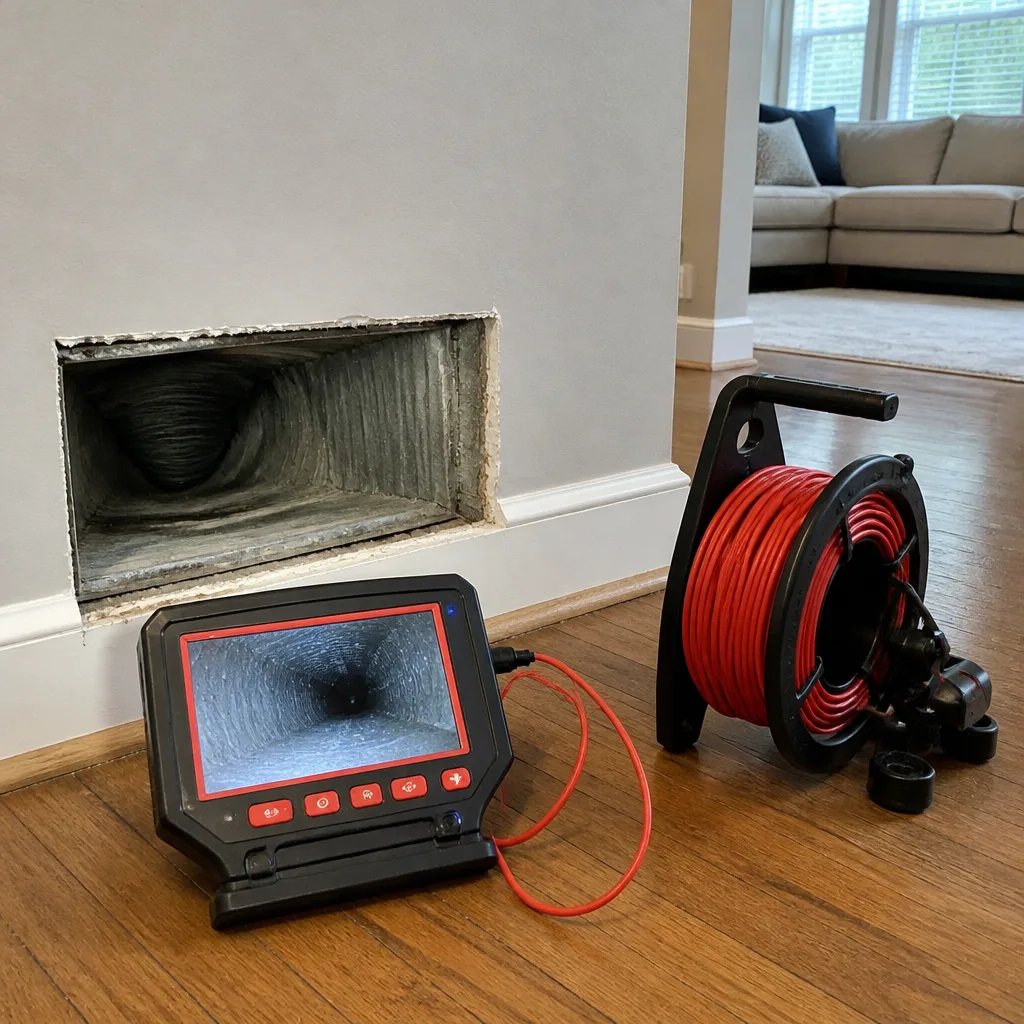 Camera inspection
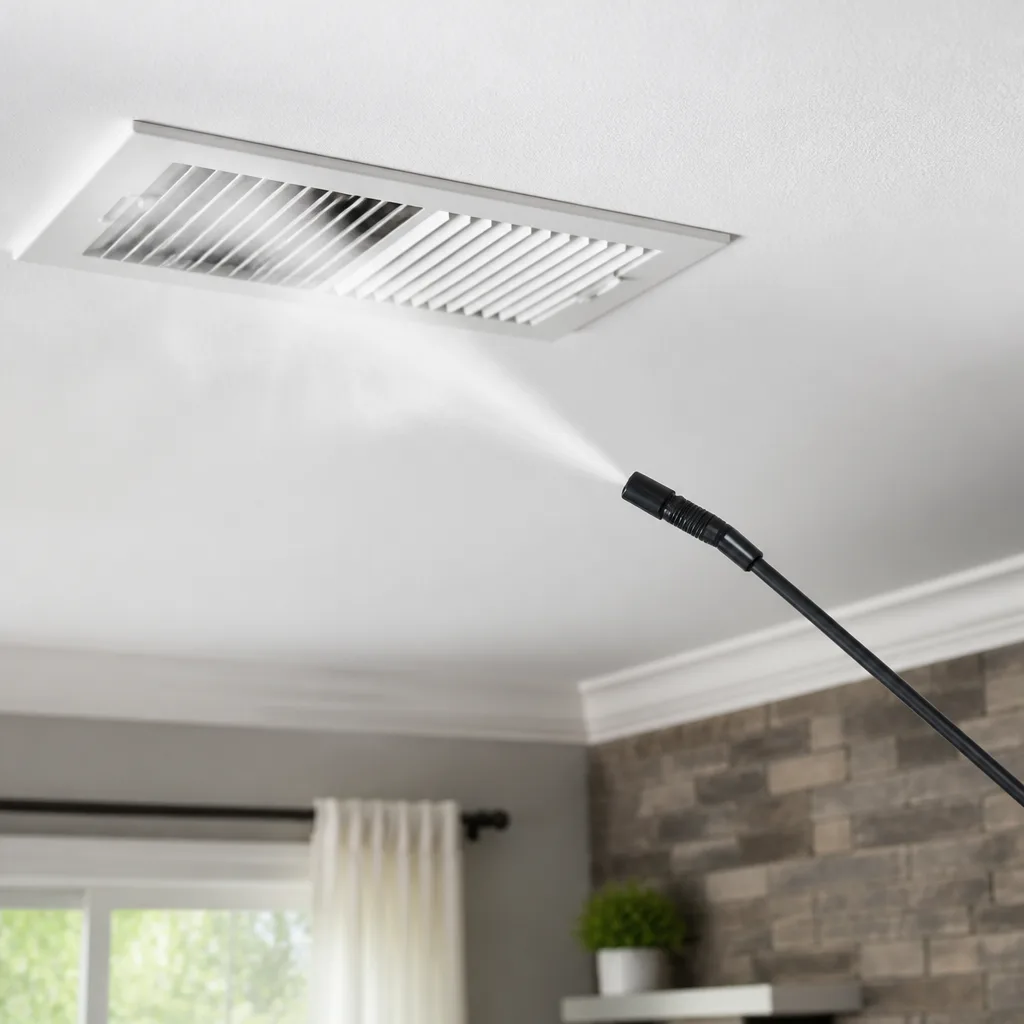 Sanitizing & deodorizing
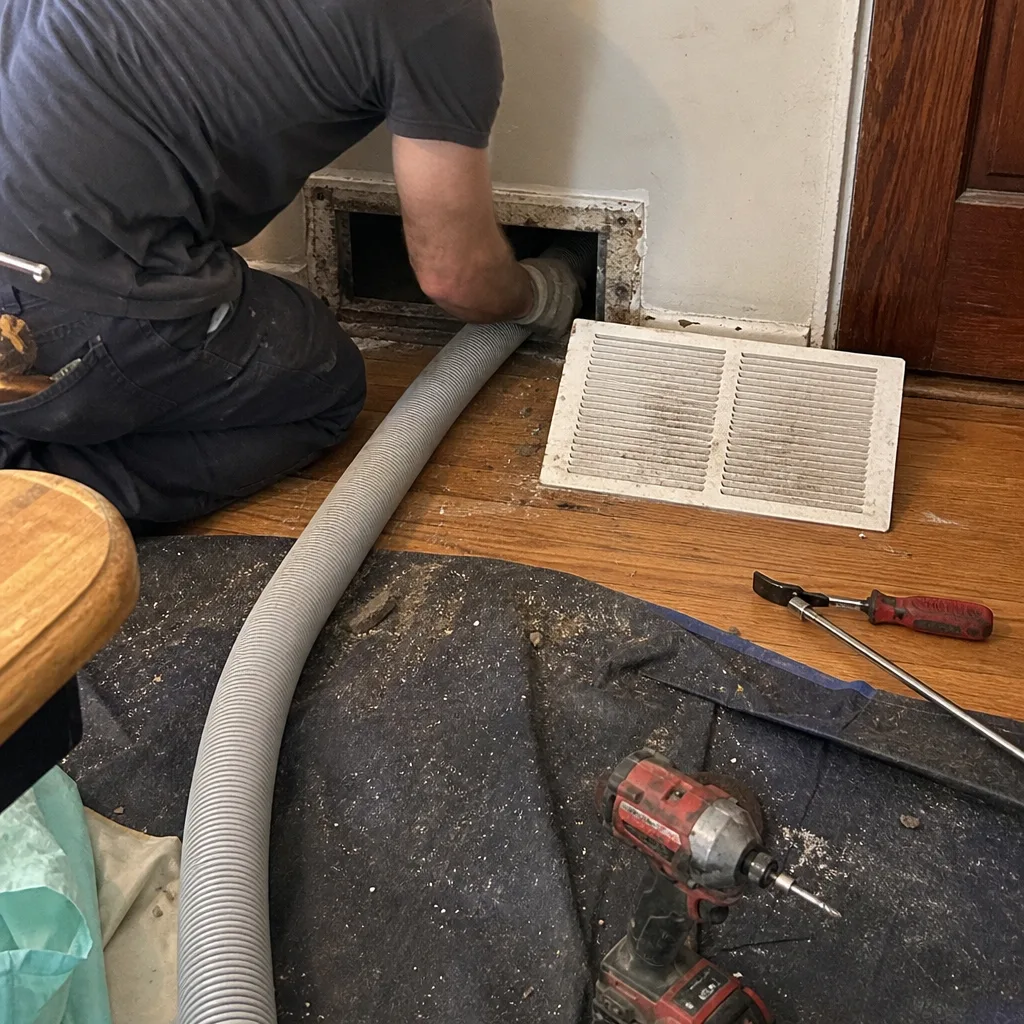
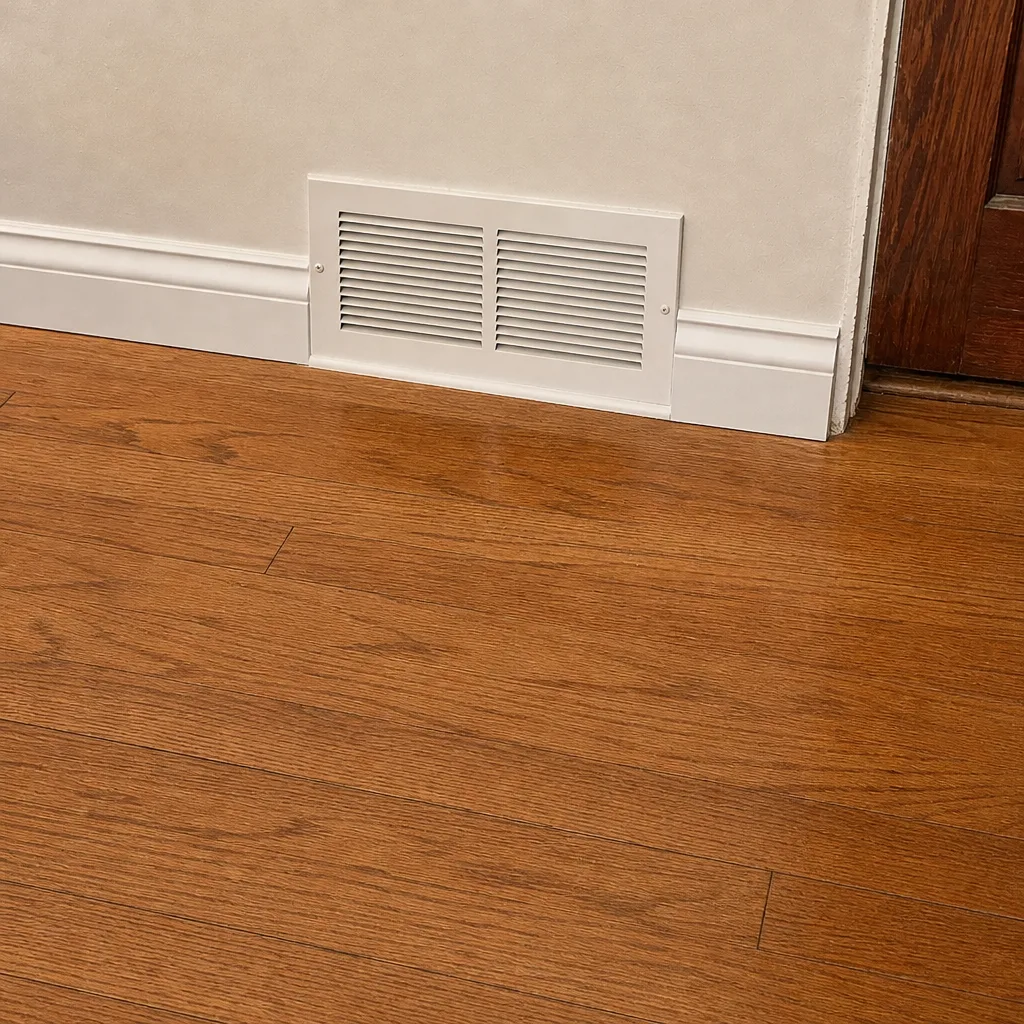
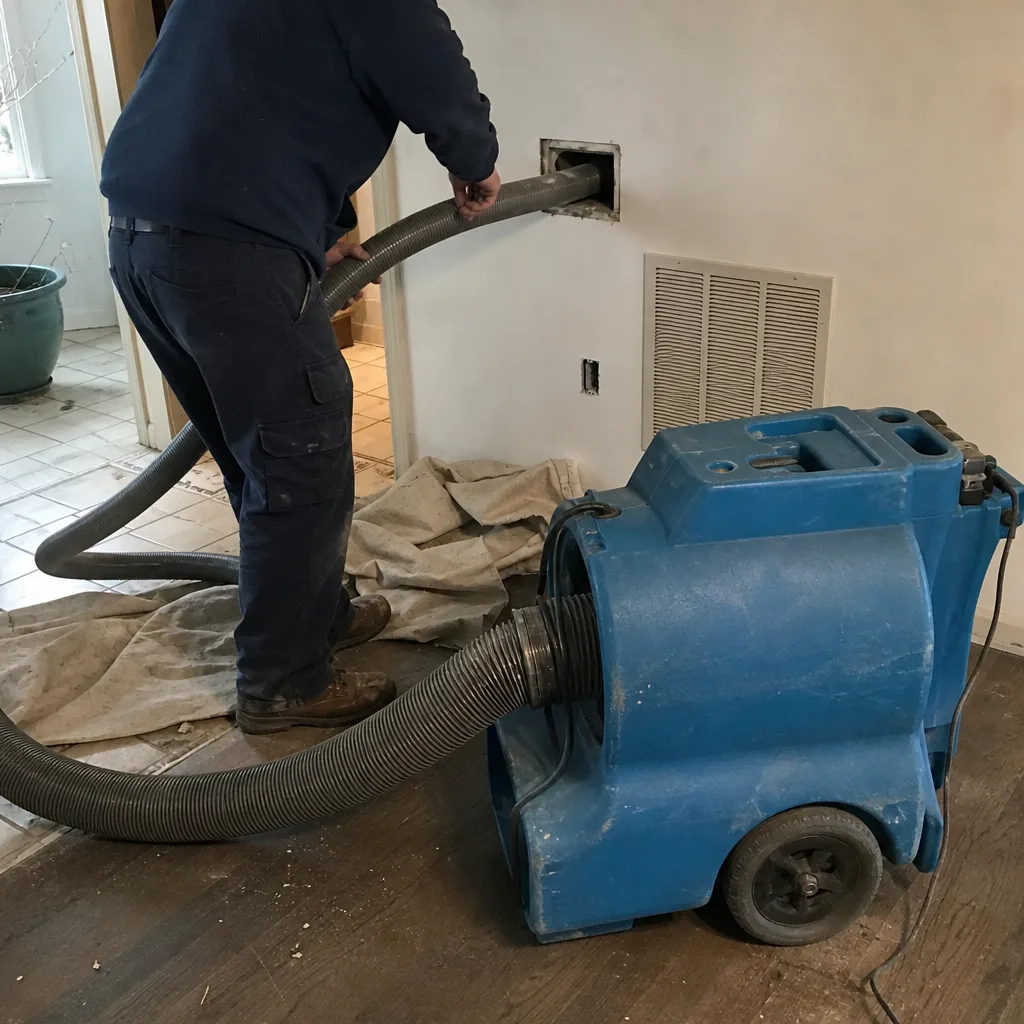
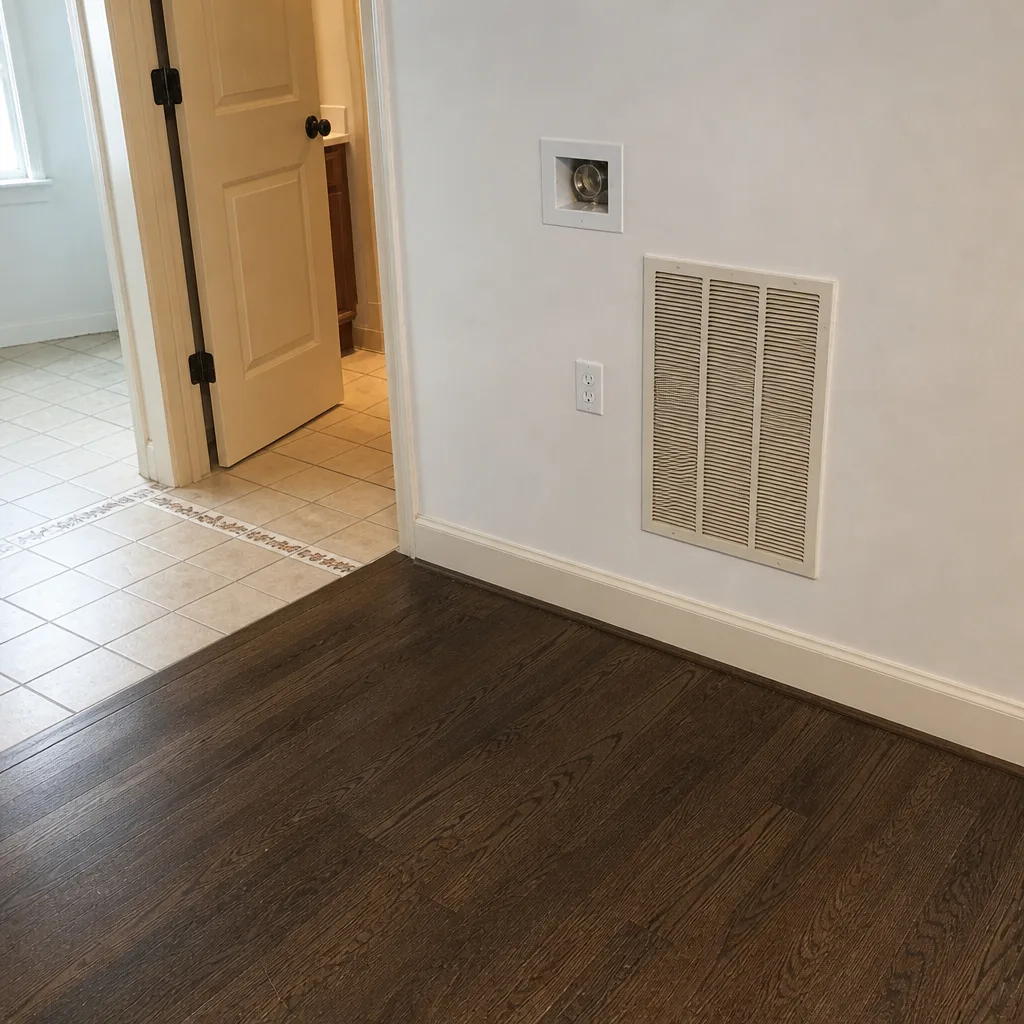
Whole-system duct and dryer vent check with before-and-after photos - you see exactly what came out of your vents
That "$99 whole-house special" is a bait ad - the real number appears once they are in your hallway, or the "clean" is a shop-vac at the register. We photograph the inside of your ducts before and after instead.
DIY vs Professional Air Duct Cleaning: The Charleston Homeowner’s Decision Guide
Most homeowners assume duct cleaning is one of those jobs you can knock out yourself with a shop vac and a brush kit from the hardware store. It’s an understandable assumption. The ducts look like big pipes, and pipes are things you can clean. Here’s the problem nobody mentions: the equipment that removes contamination from a duct system is defined by airflow rates and negative-pressure containment, and neither of those exists in consumer form. A homeowner can absolutely maintain parts of the system, and this guide shows you where that effort pays off. It also shows you exactly where it doesn’t, so you don’t spend a weekend rearranging dirt inside your walls in Charleston instead of removing it.
Quick Answer
DIY duct cleaning can handle surface maintenance like register covers, filter changes, and visible lint around the dryer vent, but it cannot remove contamination from the duct runs themselves because consumer vacuums produce a fraction of the airflow and none of the negative-pressure control that professional systems require. Professional cleaning in Charleston is worth it when there’s mold, rodent debris, construction dust, or heavy biological buildup in the system, and it’s overkill when you just need routine upkeep. The decision comes down to whether you’re dealing with surface dust or contamination that has settled into the system itself.
Styles & brands we work with
- Whole-home duct cleaning
- Dryer vent cleaning
- Camera inspection
- Sanitizing & deodorizing
Table of Contents
- The Physics That Decide This Question
- What DIY Duct Cleaning Can Actually Do
- What DIY Cannot Do, and Why
- Contamination Scenarios Where DIY Can Be Harmful
- A Real Cost Comparison for Charleston Homes
- How to Stretch the Interval Between Professional Cleanings
- How to Judge a Duct Cleaning Quote in Charleston
The Physics That Decide This Question
Duct cleaning isn’t about scrubbing. It’s about extraction under controlled pressure, and that’s a different problem entirely. When a technician runs a rotary brush through a duct, the brush loosens debris from the walls. What happens to that debris next is determined by the vacuum pulling on the system. If the vacuum is strong enough and the system is properly sealed, the debris travels toward the vacuum and leaves the house. If it isn’t, the debris gets pushed downstream into the rest of the ductwork, into return plenums, and eventually back into the rooms you’re trying to clean.
This is where the CFM number matters. CFM stands for cubic feet per minute, and it’s the measure of how much air a vacuum can move. A consumer shop vac with a duct brush attachment typically moves somewhere in the low hundreds of CFM. Professional duct cleaning systems built for residential and commercial work move in the range of ten thousand to sixteen thousand CFM because they’re designed to pressurize an entire duct system, not one segment of it.
That gap isn’t marketing. It’s the difference between moving air through a straw and moving air through a hallway. The same principle applies to drying a wet floor with a hair dryer versus a blower: the device either has the capacity for the job or it doesn’t. And because duct cleaning depends on negative pressure, the equipment also has to seal the system so that debris flows toward the capture point instead of escaping into living spaces.
Charleston homes make this especially relevant. Older housing stock in neighborhoods around the Historic District and Cannonborough often has ductwork that was retrofitted into spaces never designed for it, with short runs, tight turns, and flexible duct that traps debris at the low points. Newer construction in places like Park Circle or Daniel Island tends to have cleaner duct layouts but more construction dust and drywall residue left behind from the build. In both cases, the debris sits where airflow is weakest, and a low-CFM vacuum simply doesn’t have the pull to move it.
The practical takeaway is this: any duct cleaning method, DIY or professional, is only as good as the vacuum behind it. That’s why the equipment in the truck, or the lack of one, tells you more about the outcome than the cleaning technique itself.
What DIY Duct Cleaning Can Actually Do
Here’s where homeowners get real value from doing it themselves. Several parts of the system are accessible, low-risk, and worth maintaining on a regular schedule. If you’re going to put effort into duct-adjacent cleaning in Charleston, these are the tasks that actually move the needle.
- Clean the register covers. Remove the grilles from supply and return registers and wash them in a sink or with a hose. Dust accumulates on the slats and gets blown back into the room every time the system runs. This is a five-minute job per register and it makes a visible difference.
- Change the filter on schedule. A dirty filter is the single most common cause of reduced airflow and dust redistribution. Check it monthly during heavy heating and cooling season and replace it when it’s loaded. A clean filter protects the equipment and keeps some dust out of the ducts to begin with.
- Vacuum the area around returns. The floor and wall near return grilles collects dust that gets pulled in with the air. Vacuuming that surface regularly keeps loose debris from being drawn into the system.
- Do a visual inspection. Shine a flashlight into the accessible duct sections near registers and the air handler. You’re looking for visible dust buildup, moisture, staining, or pest activity. This is information-gathering, not cleaning, and it’s genuinely useful.
- Remove accessible lint from the dryer vent. Pull the dryer out, disconnect the vent, and clean the lint from the duct at the back of the appliance and the exterior vent flap. This is one of the highest-value home maintenance tasks you can do because lint accumulation is a real fire risk.
- Keep the system running with a clean filter. A well-filtered system moves conditioned air efficiently and lets the return side do its job. Small maintenance habits compound over time.
These tasks don’t require special tools, they don’t risk damaging the ductwork, and they produce measurable results. What they don’t do is clean the interior of the duct runs themselves, and that’s a completely different proposition.
What DIY Cannot Do, and Why
Consumer equipment has three limits that no amount of effort overcomes. Understanding them explains why duct cleaning companies charge what they charge and why there’s no credible DIY equivalent.
Airflow capacity. A shop vac connected to a duct brush can’t generate enough CFM to move debris through a long duct run. The brush loosens material, but the loosened material travels only as far as the airflow carries it. In most DIY attempts, that’s the next fitting or the bottom of the next run, not out of the house.
Negative-pressure containment. Professional systems use containment equipment to create a sealed negative-pressure environment around the work area. This is what stops debris from being redistributed into the living space and what makes remediation-grade cleaning possible. Without containment, cleaning a contaminated system means aerosolizing the contamination, which is the opposite of what you want. This is the reason companies invest in equipment like Abatement Technologies systems for that side of the work.
Mechanical agitation inside the duct. Professional rotary brush and air whip tools are engineered to reach the full interior circumference of the duct at the right pressure and speed. A homeowner brush attachment is a more limited tool, and it’s hard to reach the full run without disassembling the system.
In our experience working in Charleston, the systems that need the most cleaning are often the ones where someone tried a DIY approach first. The visible dust disappears. The contamination downstream of the brush doesn’t, and it can end up concentrated in a place that’s harder to reach than where it started.
If you’re weighing the options for a full air duct cleaning, the right question isn’t “can I do this myself,” it’s “what will actually come out of the system.” That’s determined by equipment, and that’s the honest answer.
Contamination Scenarios Where DIY Can Be Harmful
Some duct contamination isn’t a maintenance problem. It’s a health and safety issue, and it’s the one category where DIY is genuinely risky. If you see any of the following in your Charleston home, stop and bring in a professional.
- Visible mold growth inside the duct or on the air handler. Mold requires moisture, and finding it inside a duct usually means there’s a source of that moisture nearby. Agitating mold without proper containment spreads spores through the living space. A technician needs to find the moisture source, treat the microbial growth, and handle the cleanup with containment equipment. Sanitizing products like Guardsman-grade treatments are used where microbial contamination is confirmed, not sprayed at random.
- Rodent or pest debris. Droppings, nesting material, and decomposed debris from mice or squirrels in the ducts carry real health risks. Disturbing that material with a shop vac aerosolizes pathogens and particles into the air you breathe. This is remediation work, not cleaning work, and it requires containment.
- Heavy construction dust. If you’ve had a renovation in Charleston, drywall dust and sawdust end up in the return system. Drywall dust has a fine, abrasive texture and it settles deeply into duct insulation. Consumer vacuums tend to blow it back into the air rather than trapping it.
- Biological buildup and odor problems. Persistent smells from the system usually mean something is growing or decaying in the ducts. Odors are a symptom, and cleaning them out requires addressing the source.
- A failed or neglected system with visible debris at the registers. If you can see debris falling from supply registers, the contamination is severe enough that DIY approaches will make the situation worse.
There’s a related fire-safety scenario worth flagging: dryer vents. Lint is highly combustible, and dryer vent fires start in accumulation nobody sees. Removing accessible lint at the dryer connection helps, but a full-length vent cleanout is beyond what a homeowner can safely reach. This is why dryer vent cleaning belongs on the professional schedule, not the DIY list.
A Real Cost Comparison for Charleston Homes
DIY looks cheaper until you count everything. A fair comparison accounts for equipment, supplies, time, and, most importantly, whether the job actually gets done. Here’s how the numbers typically break down for a Charleston home.
| Item | Typical cost range |
|---|---|
| Shop vac with sufficient capacity for duct work | $80-$200 |
| Consumer duct brush kit | $30-$80 |
| Replacement filters and supplies | $20-$50 |
| Your time (a half-day to a full weekend) | Not priced, but real |
| Professional air duct cleaning (whole home) | Estimated typical range $300-$700, set by written estimate |
| Professional dryer vent cleaning | Estimated typical range $100-$200, set by written estimate |
The equipment cost is what surprises people. A shop vac that can handle duct work with any real capacity starts higher than most homeowners expect, and the brush kits are consumer-grade. Even after that purchase, the equipment still doesn’t produce the airflow or containment that the job requires. So the “savings” is often the difference between spending $150 on equipment and a weekend of effort versus $300 to $700 for a professional outcome that actually removes contamination.
Where DIY genuinely saves money is on the maintenance side: filter changes, register cleaning, and lint removal cost almost nothing and extend the life of both the system and the intervals between professional cleanings. That’s real value. Where DIY costs money is when a half-effort attempt pushes the problem deeper and a professional has to fix it anyway, plus undo the damage.
The honest framing is this: DIY is cheaper for maintenance, and more expensive for contamination cleanup, because it doesn’t work. If you’re looking at whole-home costs and want a real number, Charleston Air Duct Cleaning Pros offers free estimates with a written price per system before any work begins.
How to Stretch the Interval Between Professional Cleanings
The best way to get value from a professional cleaning is to keep the system clean afterward, which means the next cleaning doesn’t have to be soon. Here’s how to do that in a Charleston home.
- Change filters on a schedule that matches the season. Charleston’s humid summers and pollen-heavy springs load filters faster than you’d expect. Check monthly and replace when loaded.
- Keep returns clear. Furniture, rugs, or storage blocking return grilles puts stress on the system and changes airflow patterns. Return grilles should be unobstructed.
- Control humidity. Moisture is the doorway to mold in a duct system. Running the AC correctly and addressing leaks keeps humidity in a range where biological growth doesn’t take hold.
- Clean registers and exterior vents. Registers collect dust, and exterior vents get clogged with lint, pollen, and debris. A few minutes each season keeps airflow healthy.
- Address water intrusion quickly. A slow roof leak or a dripping condensate line can feed mold growth in the system. Fixing it early prevents a remediation problem.
- Have the HVAC system cleaned when the ducts are cleaned. A clean duct system attached to a dirty air handler defeats the purpose. HVAC cleaning handles the equipment side so the whole circuit stays clean.
- Watch for warning signs between cleanings. New odors, visible dust at registers, or allergy symptoms that worsen indoors are reasons to get the system looked at sooner rather than later.
Good maintenance doesn’t eliminate the need for professional cleaning. It stretches the interval so you get full value from it.
How to Judge a Duct Cleaning Quote in Charleston
The industry has a reputation problem, and the reason is straightforward: a low teaser price that grows into a much larger invoice once the technician is on site. The way to avoid that is to ask specific questions before anyone shows up. A quote you can trust will survive these.
Ask what equipment will be used. A professional answer involves named professional systems like Rotobrush or Nikro, and remediation-grade containment where warranted. If the answer involves “a big vacuum,” ask for details.
Ask whether the price is per system or per component. A price per system is a single number agreed before work begins. A price per vent or per component leaves room for the invoice to grow after the work starts.
Ask for before-and-after photos. A company doing real extraction has no trouble documenting the difference. Photos of your own ducts, not stock images, are the proof the work was done.
Ask what happens if they find damage. Duct repair and sealing are part of the job in a lot of Charleston homes, especially older ones with disconnected joints or crushed flex duct. The best outcome is a company that can repair what they find rather than leaving it for someone else.
Ask about the dryer vent. If duct cleaning is offered without dryer vent cleaning as a serious service, the company is skipping one of the most important fire-safety items in the home. Fire prevention starts at the dryer vent.
For a full picture of what a professional job should include, see Charleston Air Duct Cleaning Pros and compare the scope against any quote you’re holding.
Common Mistakes to Avoid
- Assuming a shop vac will do the job. A shop vac will loosen dust and move it a few feet downstream. That’s not cleaning; it’s redistribution. In Charleston’s older homes, that means pushing debris into short runs that are hard to reach later.
- Spraying sanitizer on a system that hasn’t been cleaned. Sanitizing products work on clean surfaces, and applied over debris they can make odors worse. Clean, sealed, and sanitized is the correct order.
- Skipping containment when there’s visible contamination. Disturbing mold or pest debris without proper containment spreads it through the home. That’s the scenario where DIY becomes a genuine health risk.
- Ignoring the dryer vent because the ducts look fine. Lint accumulation is invisible in most of the run, and it’s one of the leading causes of residential fire. This isn’t a task to defer indefinitely.
- Choosing a quote based on the headline price. The cheapest bid in Charleston often becomes the most expensive outcome once the work starts. Ask what’s included and whether the price is fixed.
- Forgetting the air handler and coil. Cleaning ducts without cleaning the equipment that moves the air is a partial job. The contamination will return to the clean ducts.
- Not taking photos before and after. If you can’t see the difference, you can’t verify the work. Ask for documentation every time.
See the difference
 Before
 After
 Before
 After
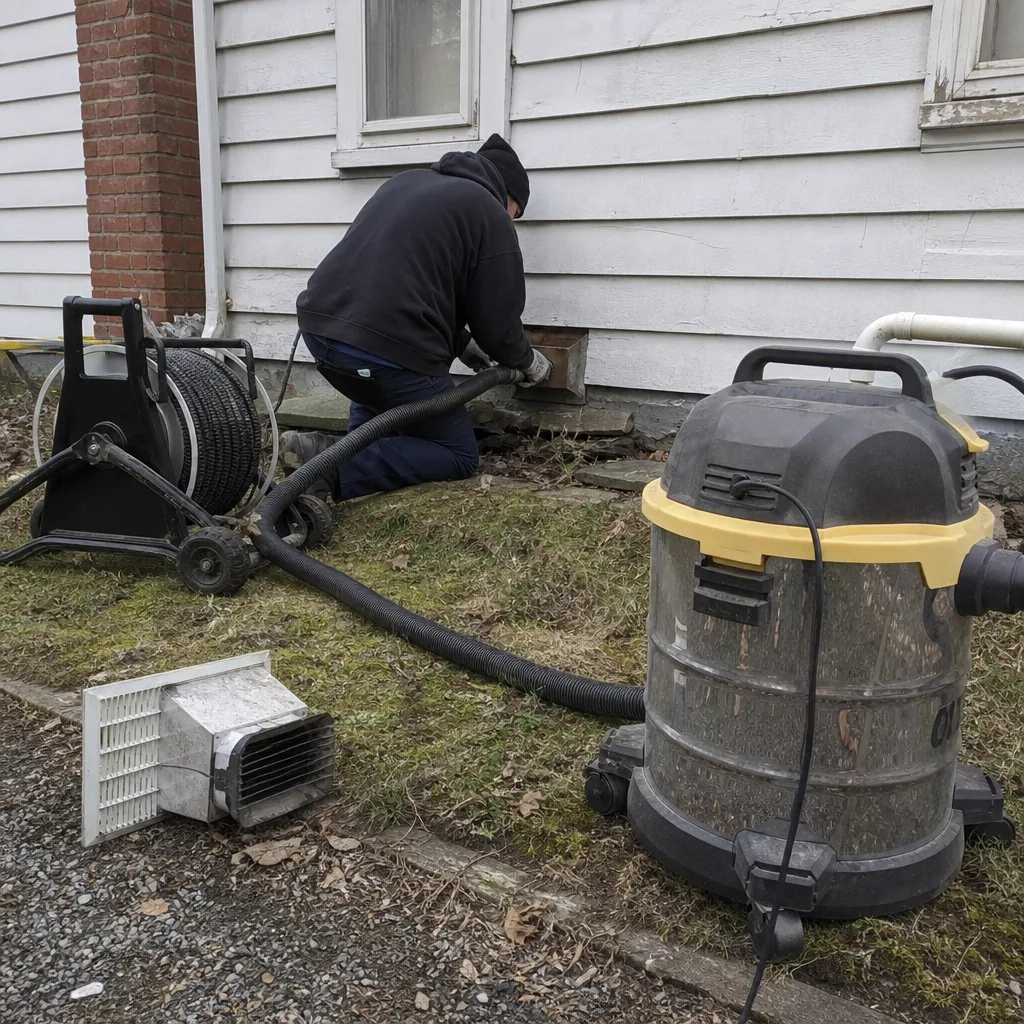 Before
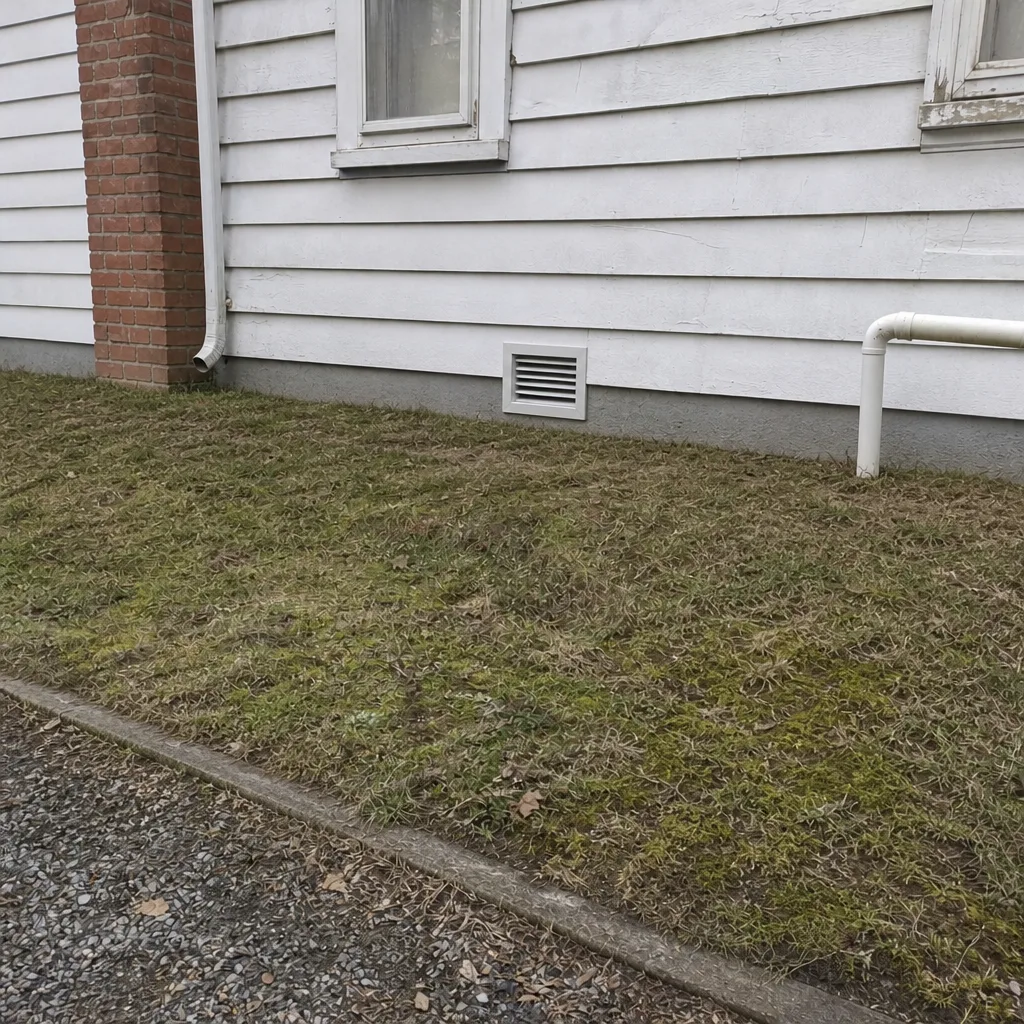 After
When to Call a Professional
Call a professional when the contamination inside the system is beyond surface dust: visible mold, pest debris, construction dust after a renovation, persistent odors, or debris falling from your registers. Call if you’ve had water damage that reached the ductwork. Call if the dryer vent hasn’t been cleaned in years. Call if a DIY attempt left the system dirtier than it started. And call if you’re not sure; a visual inspection answers the question fast. Our technicians have up to 14 years of experience with the full system, from cleaning to repair and sealing, so a single visit can cover what would otherwise take two contractors. Charleston Air Duct Cleaning Pros offers free estimates in Charleston. Call (877) 792-6016. We answer 24/7. Fast dispatch from 7am to 7pm, Sunday through Friday.
Frequently Asked Questions
Yes, for maintenance tasks: register cleaning, filter changes, and accessible lint removal around the dryer vent. These genuinely improve air quality and cost almost nothing. DIY is not worth it for cleaning the duct runs themselves, because consumer equipment can’t produce the airflow or containment required. For the interior of the system, a professional job is the only option that removes contamination instead of redistributing it. Call (877) 792-6016 for a free estimate on the parts you can’t do yourself.
Estimated typical ranges for a Charleston home run $300 to $700 for whole-home air duct cleaning, with the exact number set per job by a written estimate after the technician inspects the system. Cost depends on the number of runs, accessibility, and whether repair or sealing is needed. Be wary of any quote that’s dramatically lower, since the industry’s bait-and-switch reputation comes from exactly that. Call (877) 792-6016 for an exact quote, and estimates are free.
Yes, in two ways. The vacuum can pull flexible duct sections loose at joints, and the brush attachment can damage insulated or flex duct surfaces, especially in older Charleston homes where the ductwork is already fragile. The bigger issue is that it doesn’t clean effectively, so a damaged system ends up being repaired and cleaned. If your system has any age to it, have it inspected before running equipment through it.
Most homes do well with professional cleaning every three to five years, but that’s a general range, not a rule. Contamination visible at the registers, recent renovations, pest problems, or water damage all shorten the interval. In Charleston’s humid climate, moisture-driven mold is the most common reason to move up the schedule. If you’re not sure, a free estimate will tell you whether the system needs work now. Call (877) 792-6016.
Because they’re often priced to get in the door, with the actual cost added once work begins. Quotes that low usually skip equipment like professional vacuum systems and containment, or they price per vent so the invoice grows with your home’s size. The honest comparison is a flat price per system that’s agreed before work starts and doesn’t change afterward. Ask about photos, equipment, and what’s included, then compare. Call (877) 792-6016 for a quote you can hold us to.
Ask for before-and-after photos of your own ducts, not stock images. Real extraction work leaves visible evidence, and a company doing it properly has no reason not to document it. You can also verify the work by checking register airflow afterward and by watching whether dust returns to the grilles. If a company can’t or won’t show you photos, that tells you something. Call (877) 792-6016 to schedule an estimate with documentation.
You can remove lint from the short section at the back of the dryer and at the exterior flap, and you should. But the full run through the wall is beyond what a homeowner can safely reach, and that’s where fire risk accumulates. Dryer vent cleaning from a professional handles the full length of the vent. Call (877) 792-6016 to have it done properly.
The Bottom Line
DIY duct cleaning in Charleston works for maintenance and fails for contamination, and the difference is entirely about equipment. A shop vac moves low-hundreds CFM and no containment; a professional system moves in the thousands with proper negative pressure. Spend your DIY effort on filters, registers, and accessible lint removal, where it pays off. Bring in a professional for mold, pest debris, construction dust, and full dryer vent runs, where it matters. The right combination is both: keep the system clean on your own between visits, and get the deep cleaning done with the right equipment when it’s needed. Charleston Air Duct Cleaning Pros offers free estimates in Charleston. Call (877) 792-6016. We answer 24/7. Fast dispatch from 7am to 7pm, Sunday through Friday.
Written by the team at Charleston Air Duct Cleaning Pros.