
Last updated November 25, 2026
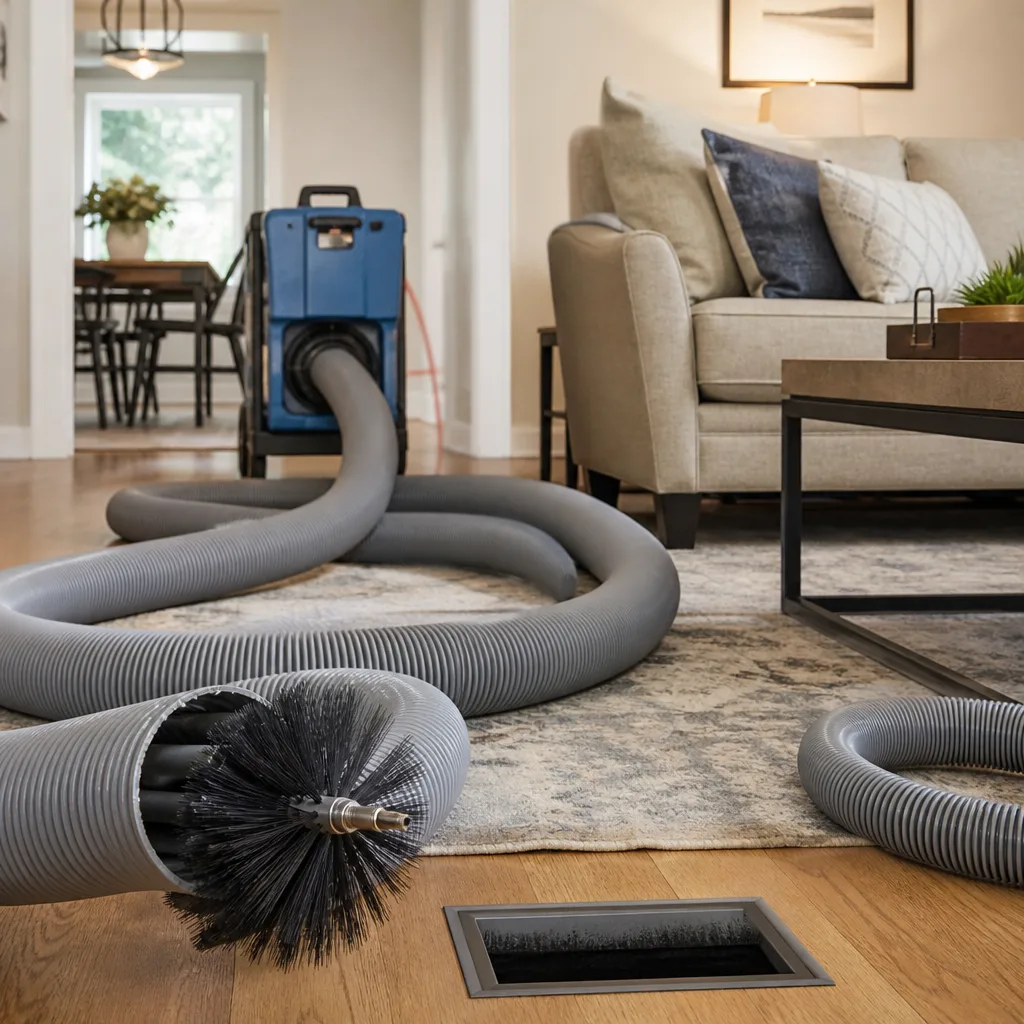 Whole-home duct cleaning
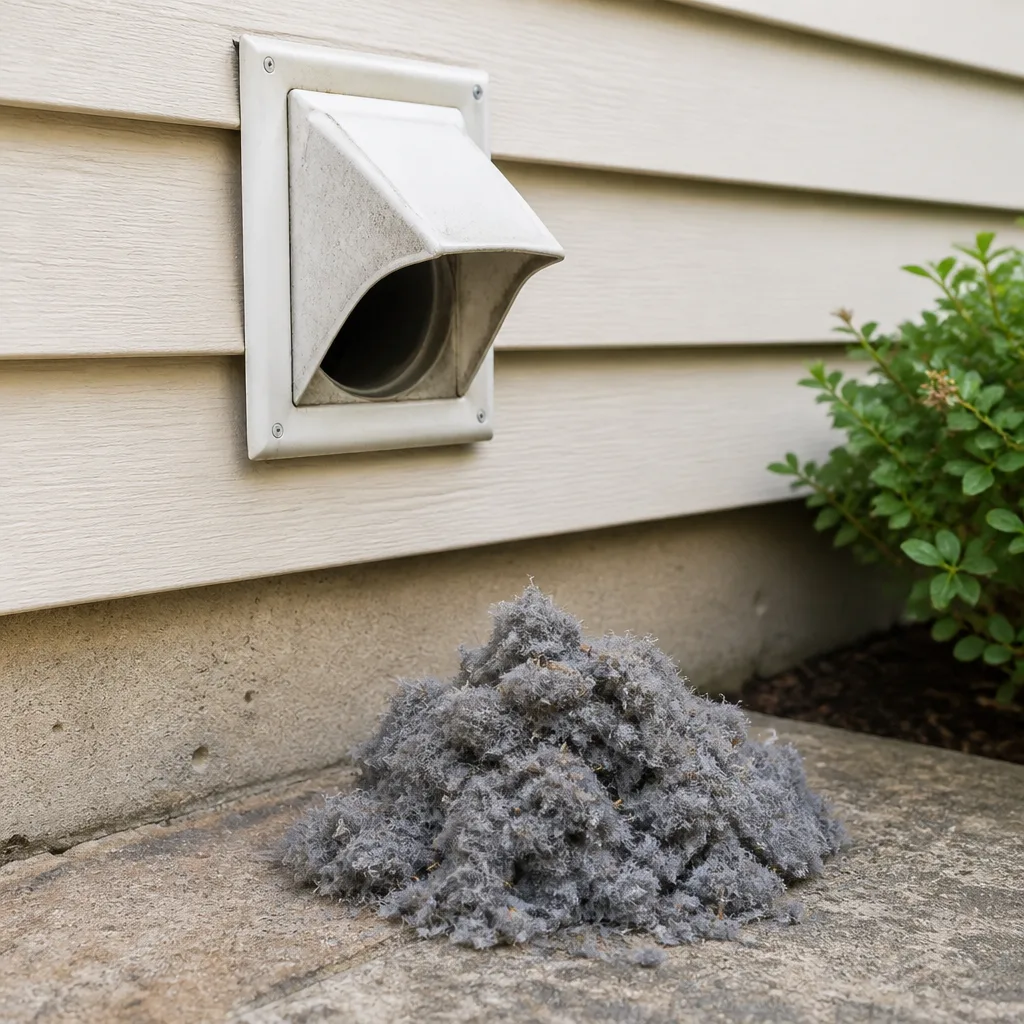 Dryer vent cleaning
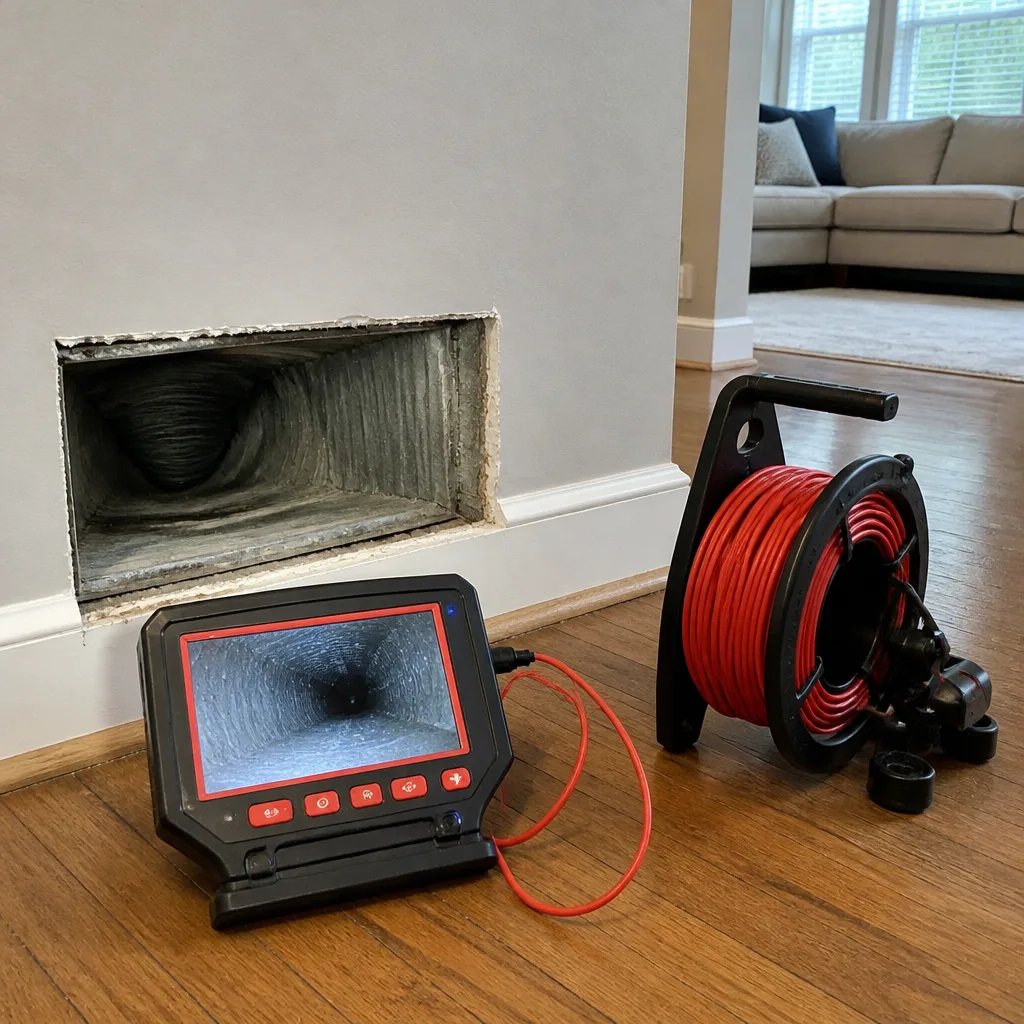 Camera inspection
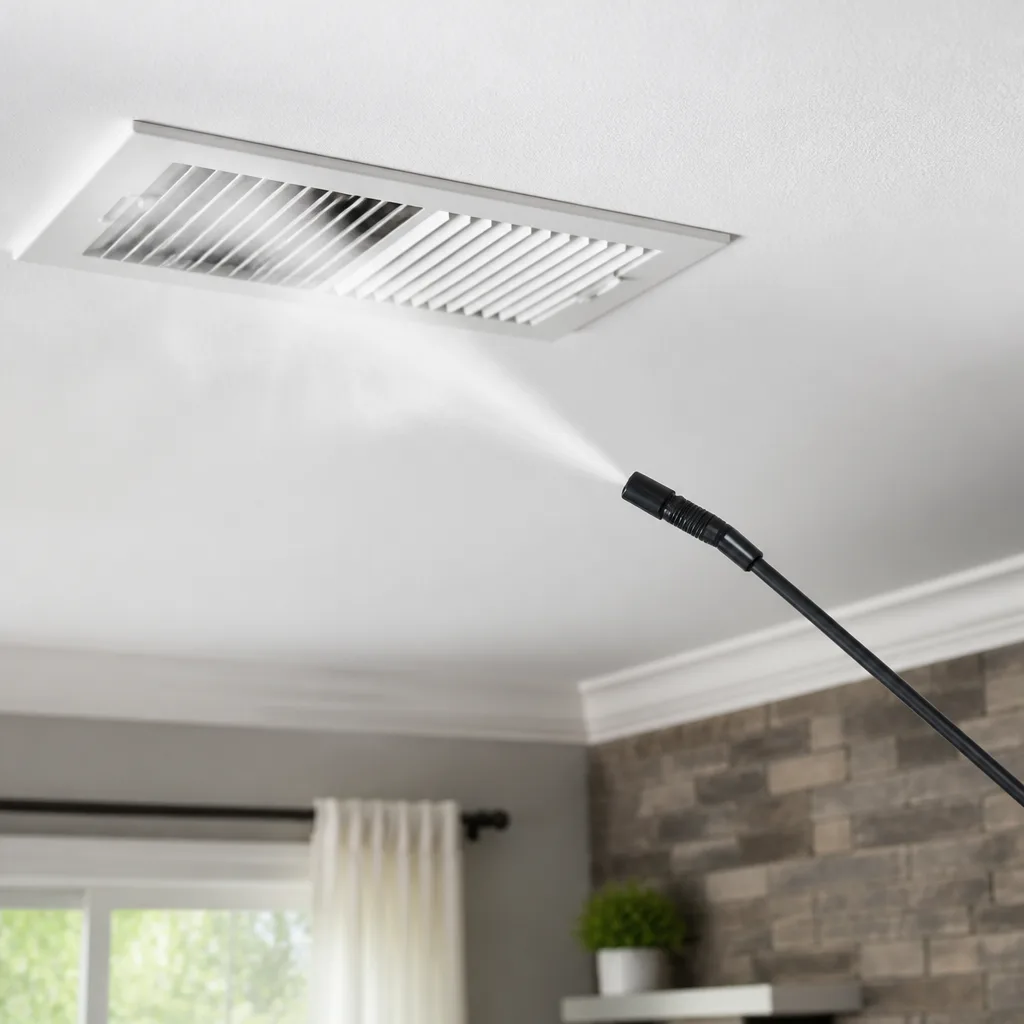 Sanitizing & deodorizing
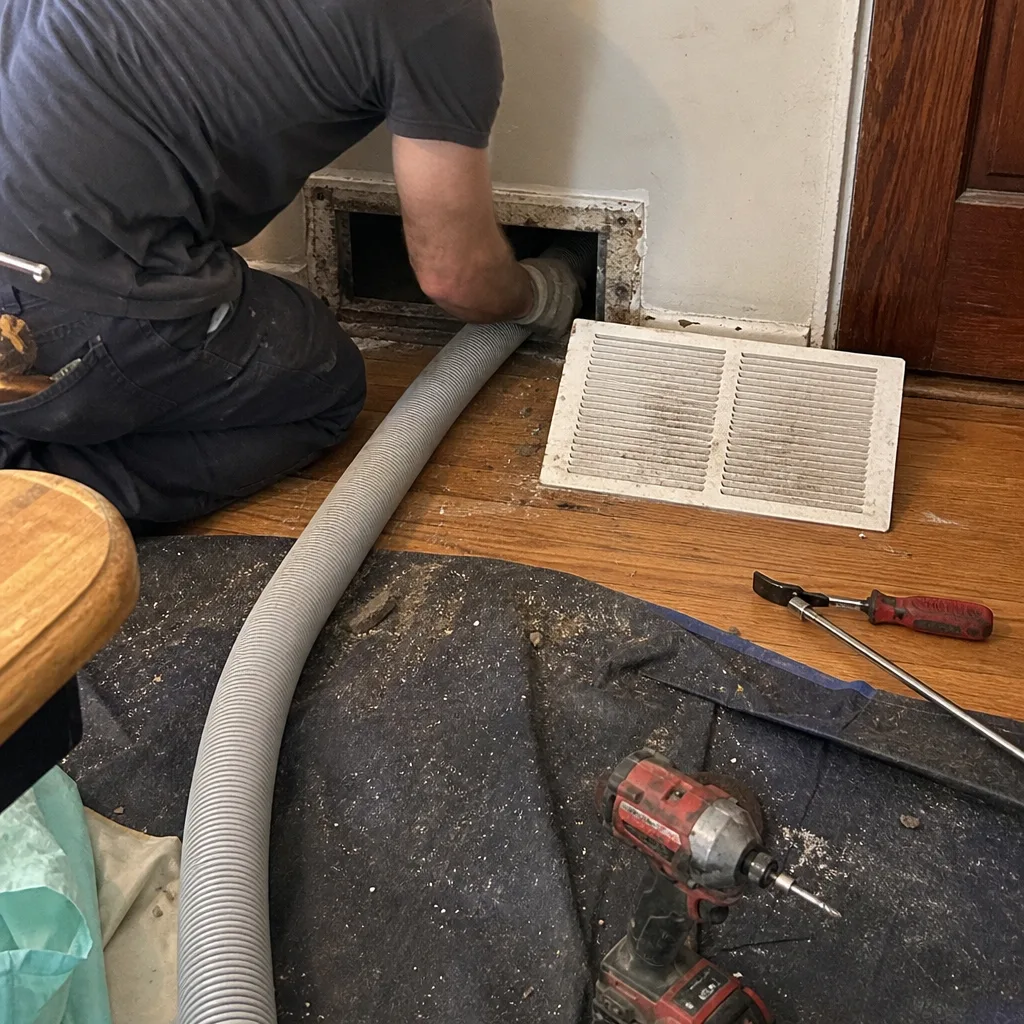
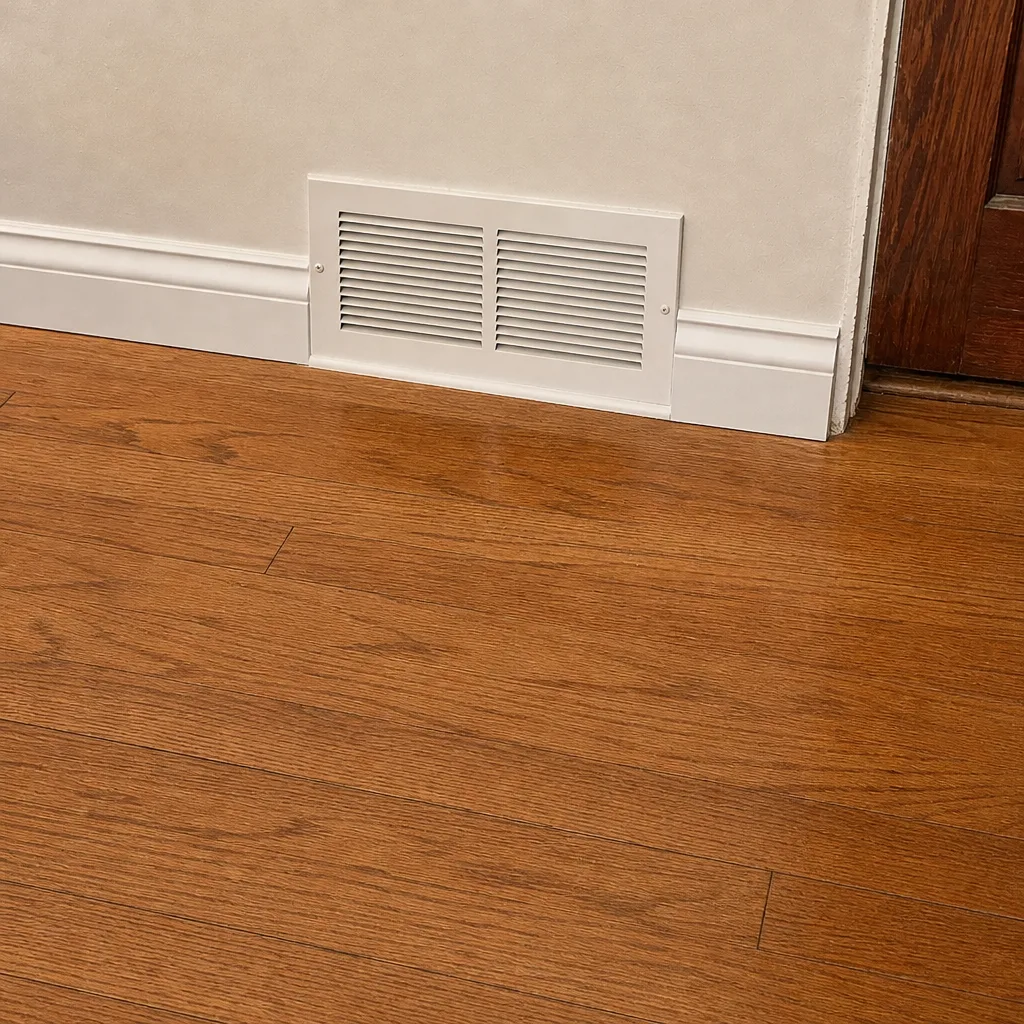
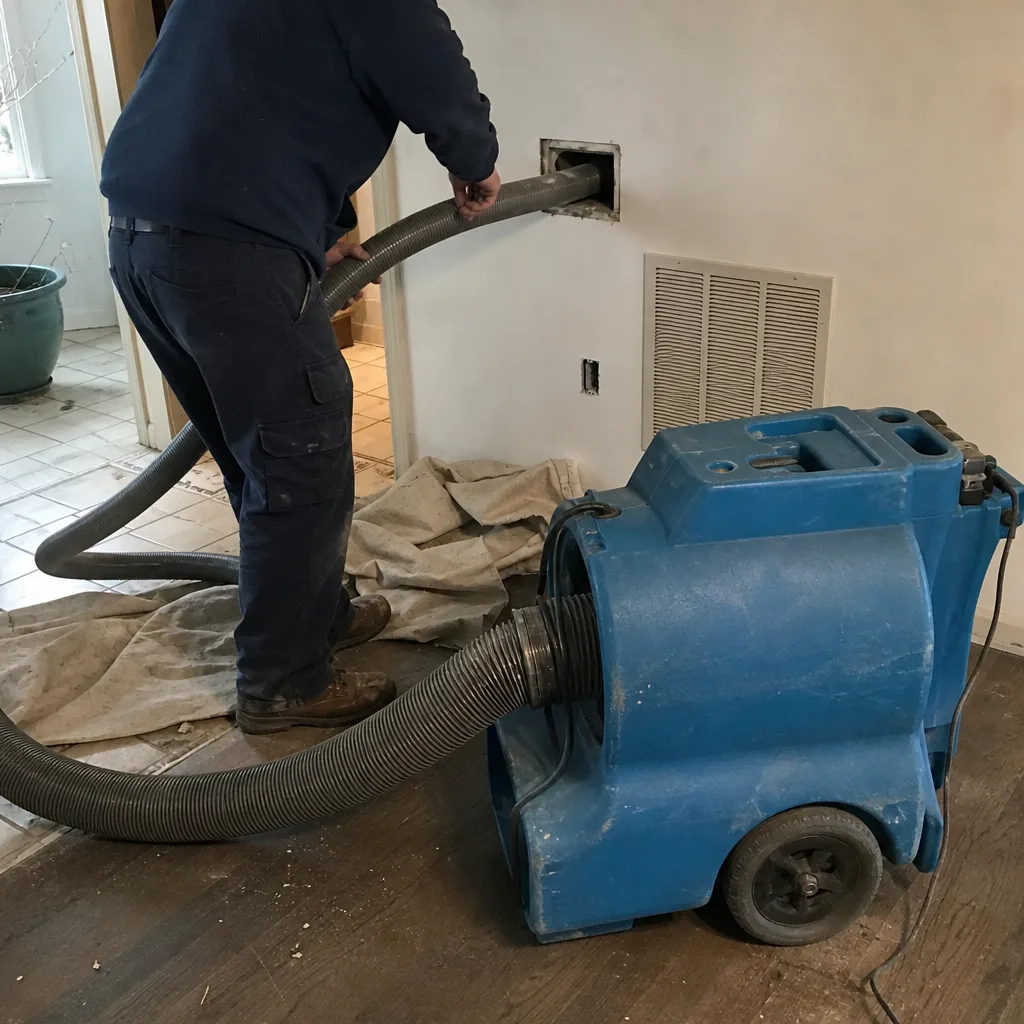
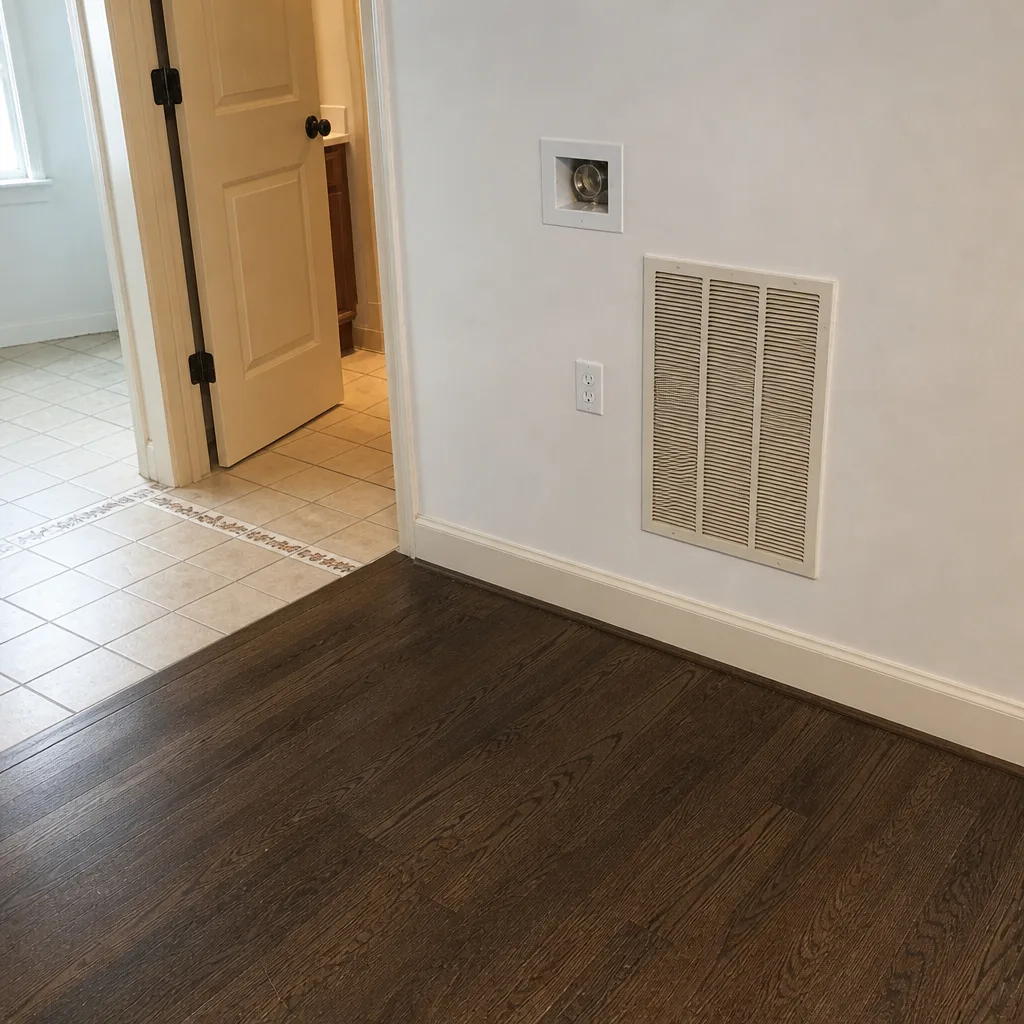
Whole-system duct and dryer vent check with before-and-after photos - you see exactly what came out of your vents
That "$99 whole-house special" is a bait ad - the real number appears once they are in your hallway, or the "clean" is a shop-vac at the register. We photograph the inside of your ducts before and after instead.
The Complete Guide to Air Duct Cleaning in Charleston
Most homeowners in Charleston, NY think about duct cleaning once, usually after a bad allergy season or when a contractor mentions it during a furnace tune-up. That framing misses what’s actually happening inside the ductwork. Charleston sits in one of New York’s highest-humidity corridors, and humid air inside a duct system doesn’t just carry dust; it feeds the conditions where mold and biofilm take hold on surfaces a standard shop-vac-on-a-wand service will never reach.
This guide maps every stage of a duct system’s life: what causes contamination here, what a real full-system service involves, how to read an inspection report, and how to sequence cleaning, sealing, and sanitizing so each step builds on the last. You’ll finish knowing what to ask, what to verify, and what to skip.
Quick Answer
Air duct cleaning in Charleston means removing accumulated dust, debris, and mold from the supply and return ductwork using commercial-grade negative pressure equipment, then sealing leaks and sanitizing where microbial growth is present. It’s worth doing every three to five years in this climate, sooner if you notice musty odors, visible dust on vents right after cleaning, or worsening allergies. A full-system job (clean, seal, sanitize) costs more than a surface-only vacuum, but it’s the only version that actually resolves the problem.
Styles & brands we work with
- Whole-home duct cleaning
- Dryer vent cleaning
- Camera inspection
- Sanitizing & deodorizing
Table of Contents
- Why Charleston’s Climate Accelerates Duct Contamination
- Full-System Cleaning vs. Surface-Only Cleaning
- Commercial-Grade vs. Residential-Grade Equipment
- How to Read a Post-Service Inspection Report
- How to Sequence Duct Work in an HVAC Maintenance Plan
- What Air Duct Cleaning Typically Costs in Charleston
- Dryer Vents: The Fire-Prevention Service Most Cleaners Skip
- Common Mistakes to Avoid
- When to Call a Professional
- Frequently Asked Questions
Why Charleston’s Climate Accelerates Duct Contamination
Charleston sits in a stretch of upstate New York where summer humidity routinely hovers in the uncomfortable range, and that air gets pulled into your return ducts every time the system runs. Inside a cool duct, that moisture condenses on galvanized steel. Dust sticks to the wet surface. Mold spores already present in outdoor air land on the damp dust and begin to grow. The result is a biofilm that binds tightly to duct walls, not the loose dust a vacuum passes over.
The heating season adds a second layer of stress. Charleston gets real winters, meaning the furnace runs hard for several months, circulating warm air through the same ducts dozens of times a day. Every cycle pulls more particulate through the system, and older homes with unsealed return plenums pull extra air from crawlspaces, basements, and wall cavities.
The pollen load matters too. The region sees heavy spring tree pollen and a substantial summer grass and weed pollen season. Filtration catches some of it, but filters are rated to a threshold, and whatever passes through settles where the airflow slows: at elbows, on turning vanes, in the plenum, and along the last few feet of trunk line feeding each register.
What does this mean practically? A duct system that would stay reasonably clean in a dry climate for five years may need attention in Charleston every three. If you’ve never had the ducts cleaned and your house is older than twenty years, the accumulation you’re sitting on is likely heavier than you’d guess.
We’ve opened return plenums in Charleston homes and found a layer of matted dust and organic growth along the floor of the duct that no handheld vacuum could lift. That’s the layer that matters.
Full-System Cleaning vs. Surface-Only Cleaning: What Gets Left Behind
The industry has a split. On one side are cleaners who run a vacuum hose down each register for a few minutes and call it done. On the other are contractors who clean, seal, and sanitize the entire system as one job. The difference in outcome is significant, and it’s the gap most homeowners don’t know to ask about.
Here’s what a surface-only clean leaves behind:
- Loose debris on duct floors and at elbows. A standard shop-vac hose doesn’t create enough negative pressure to pull settled material from a long run. It disturbs it, and the furnace then pushes it back into the living space.
- Biological growth on duct walls. Mold and biofilm require mechanical agitation and a sanitizing treatment. Vacuuming a surface colonized by growth only loosens spores without killing anything.
- Leaks at seams, joints, and plenum connections. Unsealed ducts pull air from unconditioned space. Cleaning a leaky system makes it temporarily cleaner but doesn’t stop recontamination.
- Contaminated components outside the ducts. The blower, evaporator coil, and drain pan all harbor debris and moisture. A duct-only service leaves them untouched.
A full-system service in Charleston addresses all four. The process runs something like this:
- Inspect and document. Before any equipment is connected, we assess the system and photograph the interior of the ducts so you have a baseline.
- Set negative pressure. A HEPA vacuum connects to the main trunk line, pulling the whole system into a controlled vacuum. Contaminants travel out of the ducts and into the collection unit, not into your living room.
- Agitate the entire run. Rotary brush and air-whip tools work from each register back toward the trunk, loosening material from duct walls, not just the floor.
- Clean HVAC components. The blower wheel, evaporator coil, and drain pan come clean in the same visit. These are the sites where moisture collects and organic growth starts.
- Seal the leaks we find. Duct mastic and mesh tape close gaps at seams, joints, and plenum connections. Sealing is what prevents the system from recontaminating itself from the crawlspace or attic.
- Sanitize where needed. A Guardsman-grade sanitizing treatment gets applied to surfaces where microbial contamination is present.
- Re-inspect and document. After photos show the same locations as the before shots. You see what changed.
That’s the lifecycle approach: clean what’s there, seal what’s leaking, sanitize what’s growing. Skipping the second and third steps is what we see most often from competitors who clean and leave.
Commercial-Grade vs. Residential-Grade Equipment: Why It Matters for Older Charleston Homes
The single clearest way to predict the quality of a duct cleaning job is to ask what equipment the contractor brings. Two categories exist, and they’re not close.
Residential-grade equipment means a truck-mount or portable shop-style vacuum with a flexible wand. It’s fine for light dust removal on short duct runs in newer construction. It generates modest negative pressure and can’t move heavy debris more than a few feet. It’s cheap to buy, which is why it shows up on low-cost “flash sale” duct cleaning offers.
Commercial-grade equipment means systems built for facilities with long trunk runs and heavy particulate loads. We use Rotobrush and Nikro systems on every job for a reason. The rotary brush tools rotate at high speed and pull material off the duct wall in a complete circumference, not just the bottom surface. The HEPA vacuums generate enough airflow to keep a whole-house system under negative pressure even when several hundred feet of ductwork are connected.
Charleston’s housing stock makes this distinction matter more than it would elsewhere. Many of the homes here are pre-1970, which means long runs through attics and crawlspaces, floor registers rather than ceiling registers, and ductwork that’s rarely been touched. The longer the run, the more pressure you need to move the dust at the far end. A wand that struggles in a small modern house doesn’t have a chance.
Abatement Technologies air-containment equipment is the third component. It creates a controlled work zone at the furnace or air handler, ensuring anything dislodged during cleaning gets filtered before it leaves the work area. In homes where the air handler sits in a basement or closet near living space, containment is as important as the cleaning itself.
When you ask for an estimate in Charleston, ask for equipment details. A contractor who can name their equipment can usually also show you the equipment itself. That matters.
How to Read a Post-Service Inspection Report
An inspection report is where you separate a real duct cleaning job from a wand-and-a-hose job. Every professional service should provide before-and-after images of the duct interior at multiple points, a summary of what was found, and a list of any repairs or sealing performed. Here’s how to check that the document actually proves the work.
- Count the locations. A real report shows interior duct photographs from at least three separate zones: the main return, the supply trunk, and one or more branch runs. Fewer than that and you’re seeing curated highlights, not a system inspection.
- Compare matched pairs. Every “after” image should be shot from the same position as the “before” image. Different angles make the review meaningless.
- Look for debris description. A proper report names what was found (dust accumulation, construction debris, mold-like growth, pest material) so you know what was actually removed. A report that only says “cleaned ducts” tells you nothing.
- Check the HVAC scope line. If the blower, coil, and drain pan aren’t listed as cleaned, the report only covers ductwork. Ask why.
- Review the sealing documentation. Any duct repair or sealing work should be listed by location. If the report has no sealing line item, that step was likely skipped or rolled into a separate charge.
- Confirm the sanitizing treatment. If microbial contamination was present, the report should list the sanitizing product applied and where. We use Guardsman-grade products because they’re formulated for HVAC surfaces.
- Verify airflow or pressure readings. Some contractors record system static pressure before and after cleaning. If the report includes it, use it as an objective check on whether airflow improved.
If the contractor can’t or won’t produce a documented before-and-after record, treat the job as unverified. Photos of your own system are the only proof that doesn’t rely on trust.
How to Sequence Duct Work Within a Broader HVAC Maintenance Plan
Duct cleaning is one service in a lifecycle that includes sealing, sanitizing, HVAC component cleaning, and dryer vent maintenance. Done in the right order, each step supports the next. Done in the wrong order, you pay twice for the same result. Here’s the sequence we recommend for Charleston homes.
- Start with a full-system air duct cleaning. Remove the accumulated debris first, because everything else depends on a clean surface. Sealing a dirty duct is a waste of sealing material.
- Inspect for leaks and gaps. Once the ducts are clean, the interior is visible. Leaks at seams, joints, and plenum connections that were hidden under dust are easier to identify and address.
- Complete duct repair and sealing. Seal the system before sanitizing. Sealed ducts draw conditioned air from inside the home rather than pulling moisture-laden air from a crawlspace, which keeps sanitized surfaces from recontaminating.
- Sanitize where needed. Apply a Guardsman-grade sanitizing treatment to any surface where mold or microbial growth was documented during cleaning. Sanitizing after sealing means the treatment holds.
- Clean the HVAC components. The blower wheel, evaporator coil, and drain pan should be cleaned in the same visit as the duct work. Contaminated components recontaminate clean ducts within a season.
- Schedule dryer vent cleaning. The dryer vent is a separate system from the HVAC ducts, but it’s a fire risk that should be cleaned on its own cadence. Lint accumulation in the exhaust line is the leading cause of dryer fires, and most HVAC-focused cleaners don’t offer this service at all.
- Consider air-quality products. Honeywell and Aprilaire filtration and humidity-control products add measurable defense if the ducts have shown signs of moisture. When air quality products are on the system, whole-house humidity stays in a range where biofilm can’t thrive.
The point of sequencing is simple: clean, then seal, then sanitize, then protect. Skipping any step means opening the door for the next problem.
What Air Duct Cleaning Typically Costs in Charleston
Costs for air duct cleaning in Charleston, NY vary based on system size, duct accessibility, and whether the job includes sealing and sanitizing. Whole-system pricing (not per-vent pricing) is what we recommend asking for, because per-vent pricing is what allows a low advertised number to become a much larger invoice after the technician is on site.
Typical estimated ranges in the Charleston area break down like this:
| Service | Typical Estimated Range | Notes |
|---|---|---|
| Full-system air duct cleaning (ductwork only) | $450 – $850 | Whole house, all registers, main trunk and branches |
| Air duct cleaning + HVAC component cleaning | $600 – $1,100 | Includes blower, evaporator coil, and drain pan |
| Duct repair and sealing | $350 – $900 | Depends on number of leaks and accessibility |
| Sanitizing treatment | $200 – $450 | Applied where microbial contamination is confirmed |
| Dryer vent cleaning | $125 – $225 | Depends on vent length and routing |
| Air-quality product installation (Honeywell/Aprilaire) | quoted per system | Based on product selected and duct configuration |
Those ranges are estimates, not quotes. The written estimate sets the final price, and it should be agreed before any work begins. One flat price per system means you’re not paying per vent and you’re not watching the invoice grow as the job proceeds.
Why do some quotes come in far lower? Usually it’s one of three things: per-vent pricing that balloons once the technician counts vents, a surface-only clean that skips agitation, sealing, and sanitizing, or equipment that can’t fully evacuate a long duct run. None of those produce a cleaner system.
Dryer Vents: The Fire-Prevention Service Most HVAC Cleaners Skip
Dryer vent cleaning is a fire-prevention service, not an upsell. Lint accumulation in the exhaust line restricts airflow, and restricted airflow lets heat build up inside the dryer drum and exhaust duct. That heat is what ignites lint. A dryer vent that hasn’t been cleaned in several years is a known fire risk regardless of what the HVAC ducts look like. Every “after” photo should look noticeably cleaner than the corresponding “before” photo. That contrast is the difference between a real cleaning and a decorative one.
The dryer vent is a separate system from the HVAC ductwork. Many cleaners who advertise duct cleaning either skip the dryer vent entirely or add it as a low-priority extra. We include it as a dedicated service because a Charleston home with clean HVAC ducts and a clogged dryer vent still has a fire risk inside the wall.
Signs the dryer vent needs attention:
- Clothes take longer than one cycle to dry.
- The dryer exterior gets noticeably hot to the touch while running.
- You notice a burning or musty smell when the dryer runs.
- The exterior vent flap doesn’t open fully while the dryer is running.
- It’s been more than a year since the last cleaning, and the dryer runs regularly.
If any of those are true, the dryer vent should be inspected and cleaned, separate from any HVAC work. It’s a scheduled maintenance item, not something that needs a same-day call, but it shouldn’t wait indefinitely either.
See the difference
 Before
 After
 Before
 After
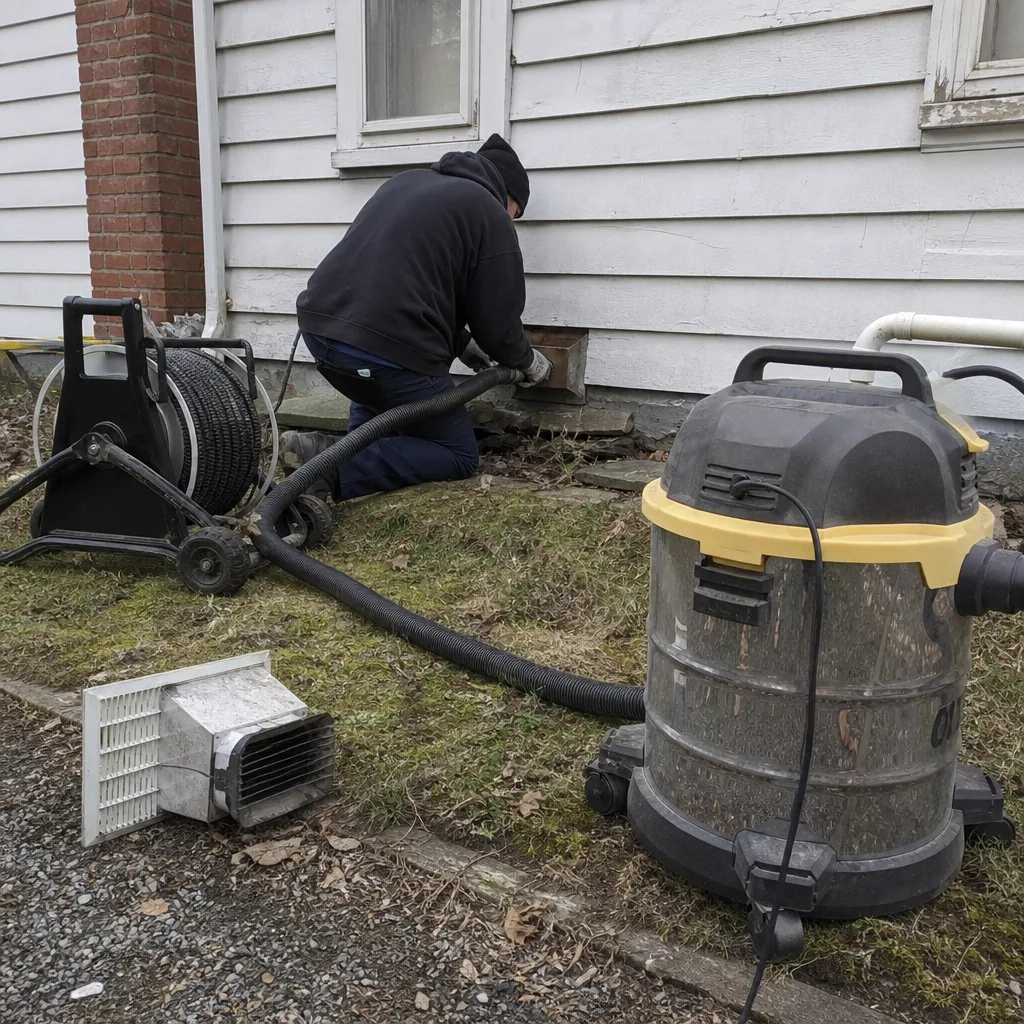 Before
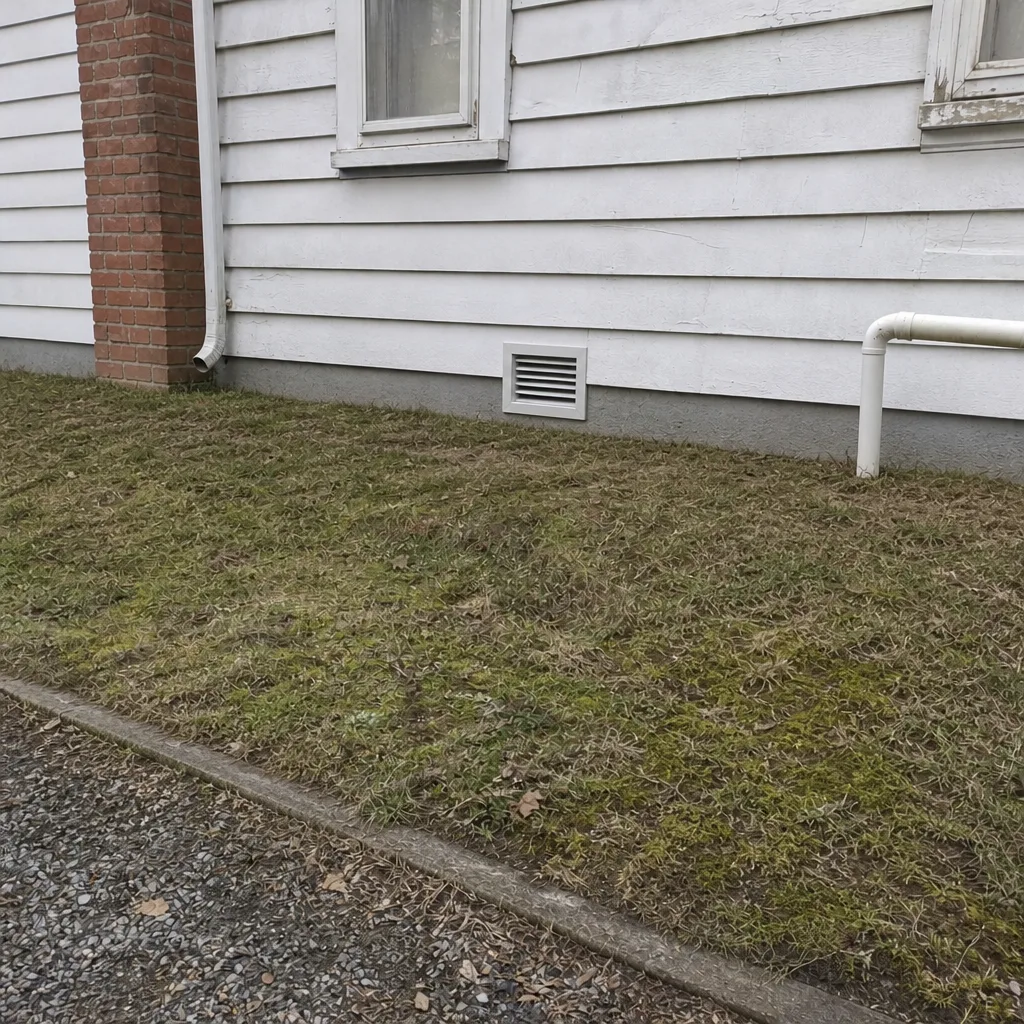 After
Common Mistakes to Avoid
- Accepting per-vent pricing. Per-vent pricing is what lets a low advertised number become a much larger invoice once the technician is on site. Ask for one flat price per system instead, agreed in writing before work starts.
- Skipping the post-service inspection report. A contractor who won’t provide before-and-after photographs of your own ducts hasn’t proven anything. The photos should be shot from matched positions so you can compare directly.
- Cleaning ducts without sealing them. Unsealed ducts pull from crawlspaces and wall cavities, which means dirty air reenters the system almost immediately after a clean. Sealing is what holds the cleaning result.
- Skipping HVAC components. Cleaning ductwork while leaving a contaminated blower and coil untouched adds up to a system that recontaminates in a season. The components need cleaning in the same visit.
- Overlooking the dryer vent. Charleston homeowners sometimes have the HVAC ducts cleaned and never touch the dryer vent. Separate system, separate fire risk, and it deserves the same attention.
- Choosing purely on price. A $99 duct cleaning in Charleston doesn’t exist as a real full-system service. It’s a per-vent teaser or a surface-only vacuum. Neither cleans the system, and you pay again in a season to do it correctly.
- Ignoring the ventilation of the job while it’s running. A proper duct cleaning keeps the system under negative pressure throughout, with HEPA filtration on the collection unit. If the contractor isn’t set up for containment, ask why.
When to Call a Professional
Duct cleaning isn’t something to do “just because.” But there are clear signs a professional should look at the system. If you’ve moved into a Charleston home and don’t know when the ducts were last cleaned, if you’re seeing dust blow out of registers right after a previous cleaning, if your energy bills have crept up without a change in usage, or if you’ve noticed musty odors coming from vents, those are reasons to call.
The same goes for anyone with allergies or asthma who notices symptoms worsening indoors, anyone who’s had water intrusion or a roof leak near duct runs, and anyone whose dryer has started taking longer than it used to. Duct cleaning, duct sealing, and dryer vent cleaning are all scheduled services, not emergency calls, which means the right time to book is when you notice a sign, not after a problem becomes urgent.
Charleston Air Duct Cleaning Pros offers free estimates in Charleston. Call (877) 792-6016. We answer 24/7. Fast dispatch from 7am to 7pm, Sunday through Friday. Every quote is a flat price per system, agreed before any work begins, backed by before-and-after photos of your own ducts.
Frequently Asked Questions
Full-system air duct cleaning in Charleston typically runs $450 to $850, depending on system size and accessibility, and $600 to $1,100 when HVAC component cleaning is included. Those are estimates; the written estimate sets the final price. Ask for one flat price per system rather than a per-vent quote. Call (877) 792-6016 for an exact quote; estimates are free.
Low quotes usually rely on per-vent pricing that grows once the technician arrives, a surface-only vacuum that skips agitation and sealing, or equipment that can’t fully evacuate a long duct run. All three leave the same contaminants in the system. The cheaper job often gets repeated within a season. A flat, whole-system price set before work starts is the only quote that stays honest through completion. Call (877) 792-6016 for a flat quote.
You know because the contractor shows you matched before-and-after photographs of your own ducts, taken from the same positions. A written report should also list what was found, what was cleaned, and any sealing or sanitizing work performed. If no photos and no report are provided, the work is unverified. Call (877) 792-6016 to schedule a job with documented results.
Every three to five years is a reasonable cadence for most homes in Charleston, and closer to every three for older homes with long duct runs or heavy pollen exposure. Homes with pets, recent renovations, or water intrusion may need attention sooner. The right interval depends on what’s actually in the system, which is why a documented inspection matters more than a fixed schedule.
It can, when the cleaning is thorough enough to remove the dust, mold, and biofilm that standard filters can’t catch. A surface dusting won’t move the needle; a full-system clean with sealing and sanitizing removes the reservoirs that allergens live in. If allergy symptoms are worse indoors than outdoors, the ducts are worth inspecting. Call (877) 792-6016 to book an inspection.
Air duct cleaning focuses on the ductwork itself: the supply and return runs, trunks, and registers. HVAC cleaning covers the components that circulate the air: blower wheel, evaporator coil, and drain pan. Most homes in Charleston benefit from doing both in the same visit, since a contaminated blower recontaminates clean ducts. If a contractor only offers one, the other step gets deferred. Call (877) 792-6016 to book both.
The Bottom Line
Air duct cleaning in Charleston isn’t a one-time event; it’s one step in a lifecycle that includes sealing, sanitizing, HVAC component cleaning, and dryer vent maintenance. Charleston’s humidity, pollen load, and older housing stock push contamination faster than most homeowners expect, and a surface-level vacuum doesn’t solve any of it. The full-system approach does: commercial-grade equipment (Rotobrush, Nikro, Abatement Technologies), sealing what’s leaking, sanitizing where there’s growth, and producing matched before-and-after photos that prove the work. Ask for one flat price per system, matched photo documentation, and a contractor who works on the whole system rather than one piece of it. That’s the standard worth paying for.
Charleston Air Duct Cleaning Pros provides residential and commercial Charleston Air Duct Cleaning Pros services across the full duct lifecycle: air duct cleaning, dryer vent cleaning, HVAC cleaning, duct repair and sealing, and air quality and sanitizing. Our technicians have up to 14 years of experience, and every job is performed with professional-grade equipment including Rotobrush, Nikro, and Abatement Technologies systems, with Honeywell, Aprilaire, and Guardsman products integrated where applicable.
Call (877) 792-6016 for a free estimate. We answer 24/7. Fast dispatch from 7am to 7pm, Sunday through Friday.
Written by the team at Charleston Air Duct Cleaning Pros.