
Last updated November 25, 2026
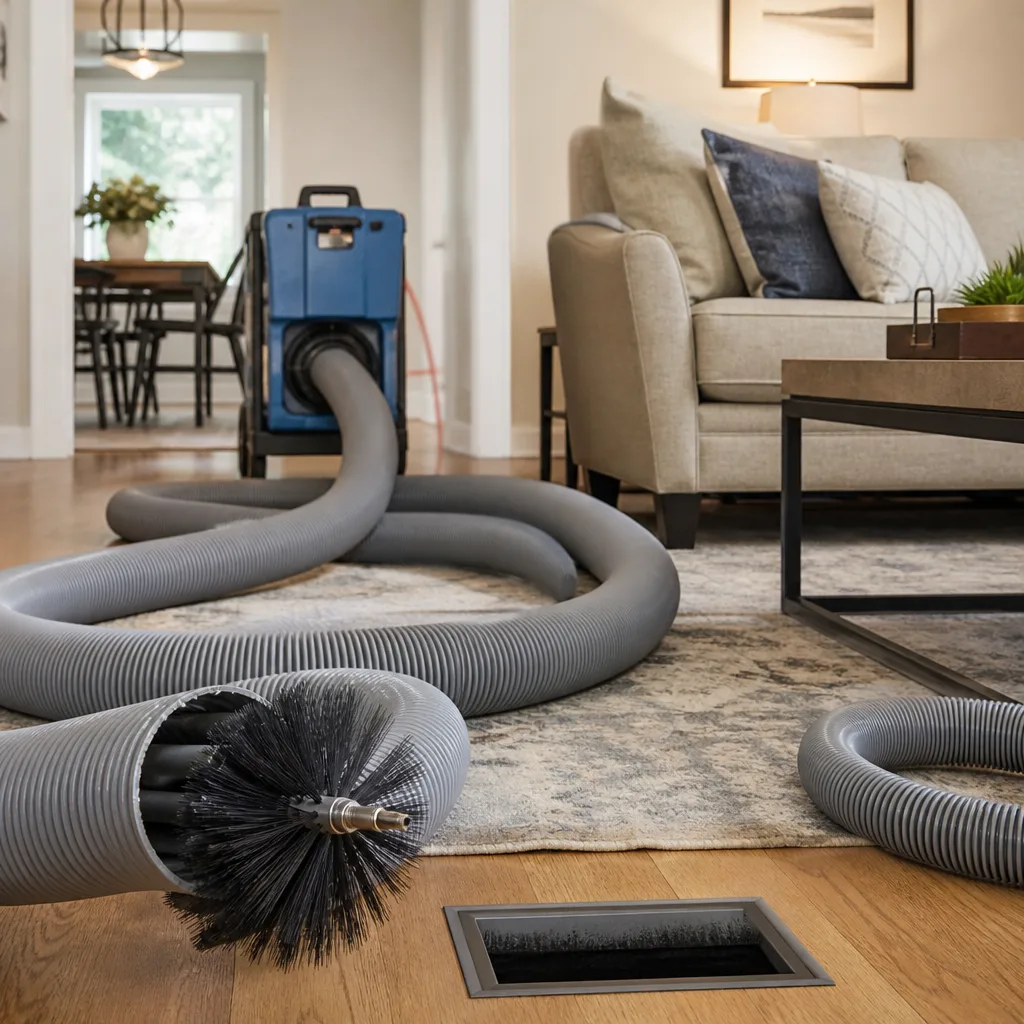 Whole-home duct cleaning
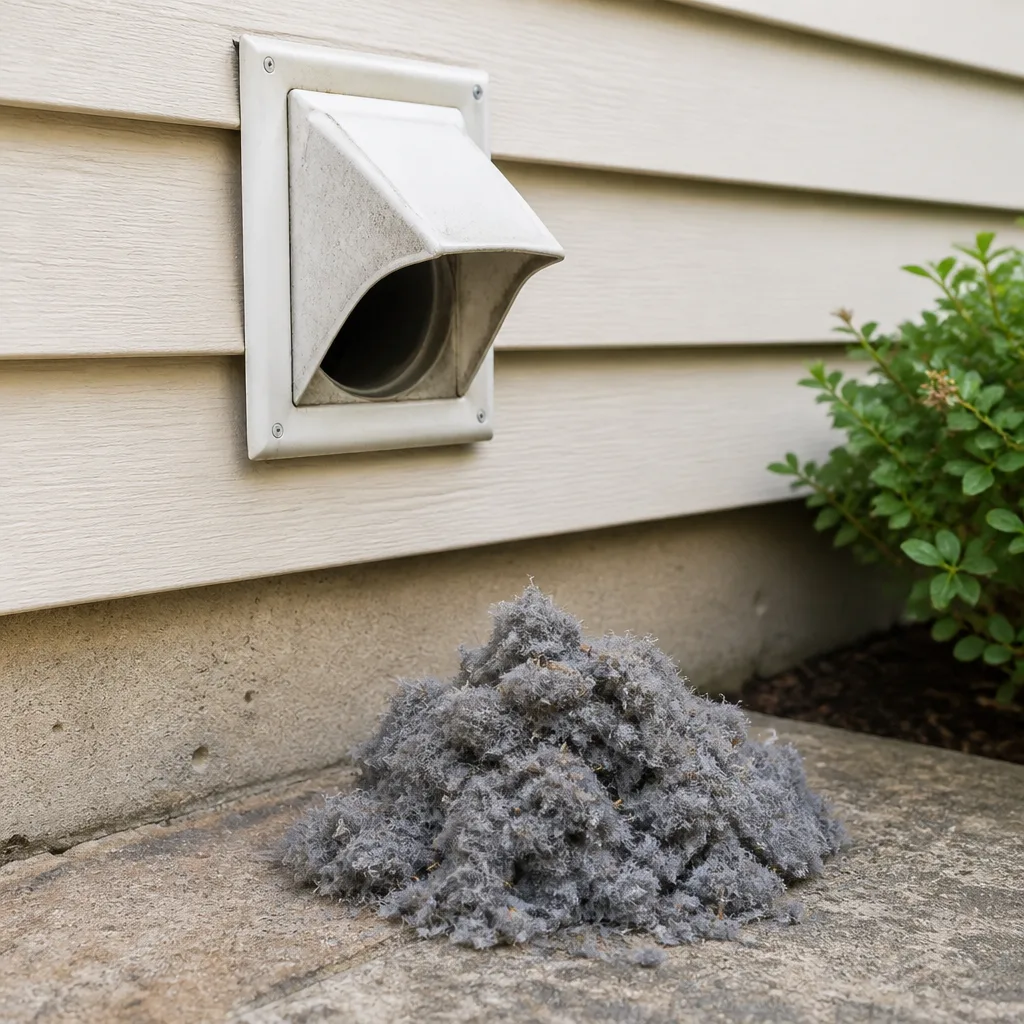 Dryer vent cleaning
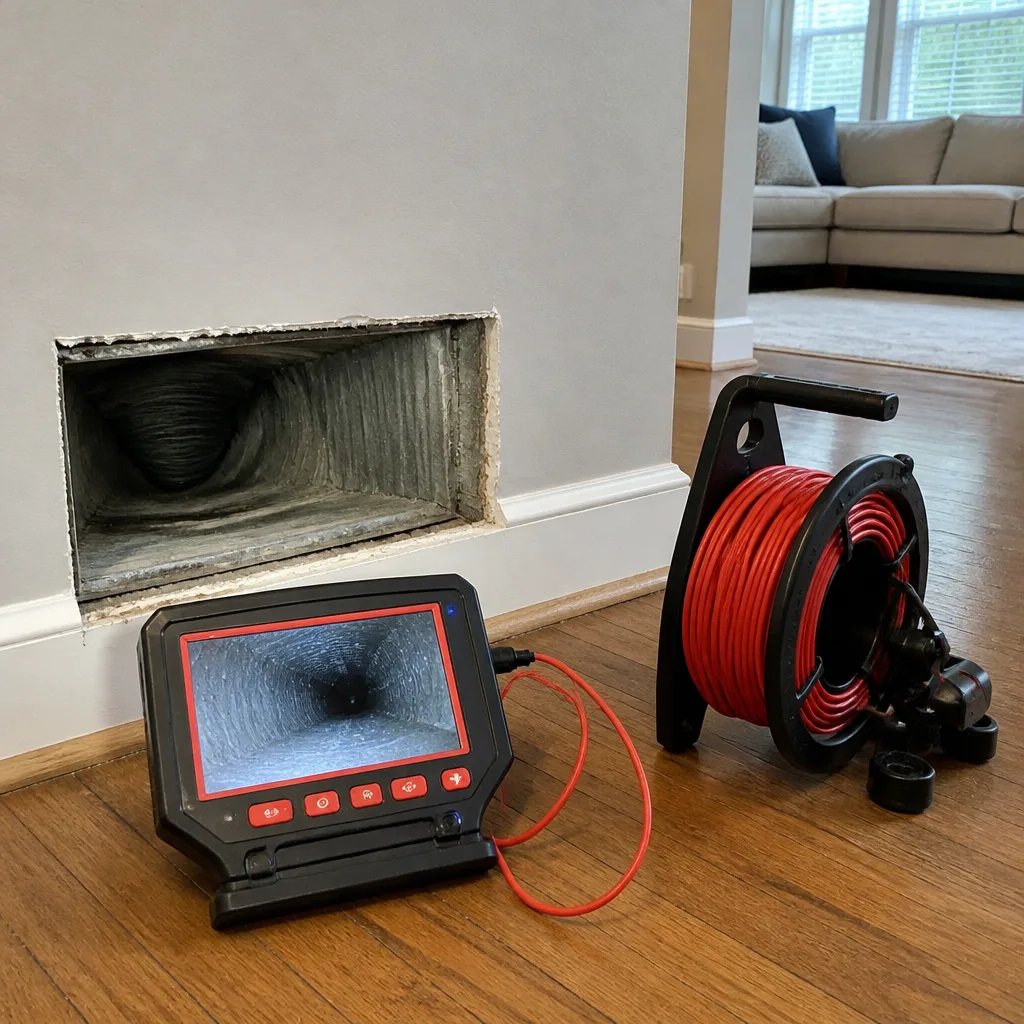 Camera inspection
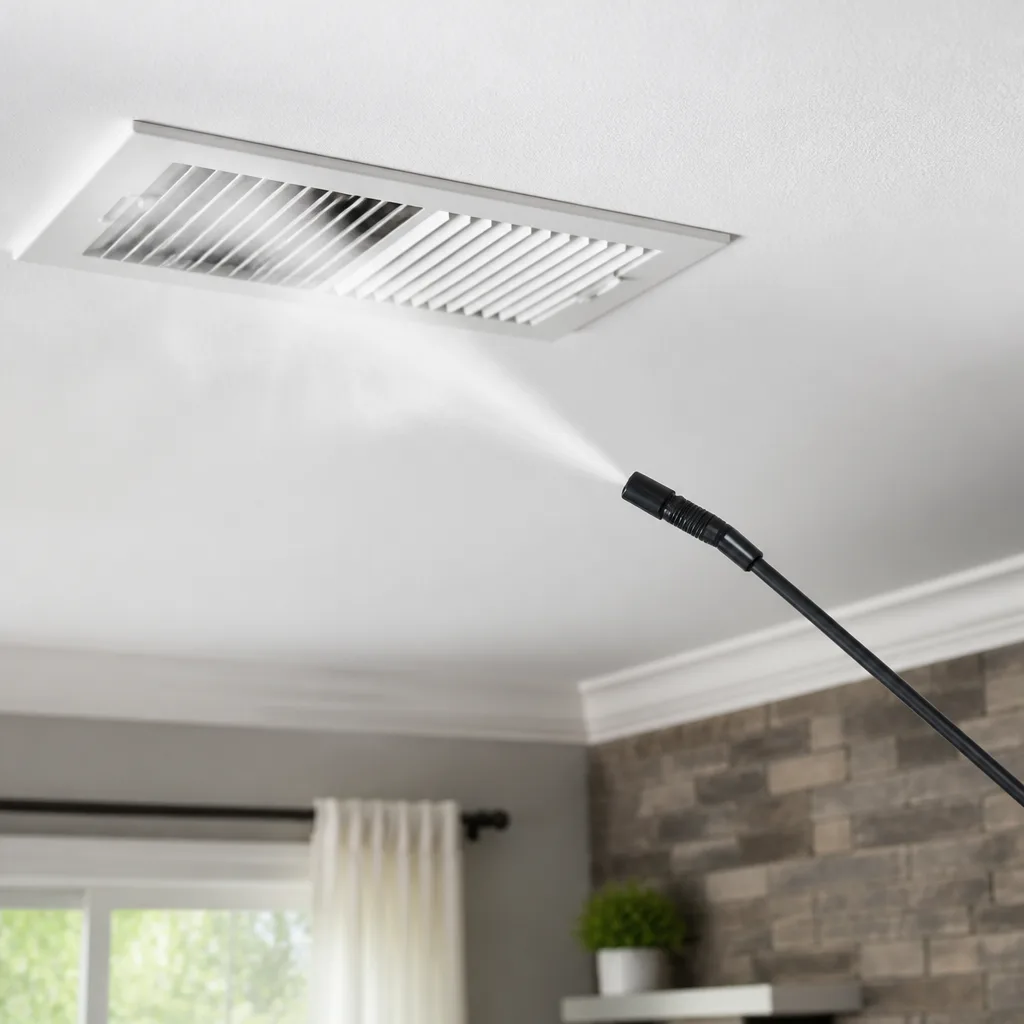 Sanitizing & deodorizing
Whole-system duct and dryer vent check with before-and-after photos - you see exactly what came out of your vents
That "$99 whole-house special" is a bait ad - the real number appears once they are in your hallway, or the "clean" is a shop-vac at the register. We photograph the inside of your ducts before and after instead.
Air Duct Cleaning Maintenance Checklist for Charleston Homeowners
The reminder on your phone that says “change the filter” is not a maintenance plan. It’s the minimum, and it misses most of what actually degrades the air in a Charleston house. Duct systems don’t fail on a calendar. They fail on triggers: a wet spring that pushes moisture through the return side, a wood-burning season that loads the supply runs with fine particulate, a cold snap that puts condensation on the ducts in an unconditioned crawlspace. This guide gives you a checklist built around those triggers. You’ll learn what to check each month, what each season demands, how to track air quality with numbers instead of a hunch, and how to log it all so that any contractor can quote you accurately and you can verify the work was done.
Quick Answer
A workable air duct maintenance checklist for a Charleston home has three layers: monthly visual checks at every register and the air handler, seasonal inspections timed to spring moisture, fall woodsmoke, and winter condensation, and professional cleaning on a condition-based schedule rather than a fixed number of years. Most homes here need a professional assessment every two to three years, sooner if you’ve had renovation dust, water intrusion, or a visible mold or pest problem.
Styles & brands we work with
- Whole-home duct cleaning
- Dryer vent cleaning
- Camera inspection
- Sanitizing & deodorizing
Table of Contents
- The Monthly Ten-Minute Check
- Seasonal Triggers Specific to Charleston
- Building a Baseline: Tracking Air Quality Over Time
- The Duct Log: What to Record and Why It Pays Off
- Maintenance Tasks That Actually Extend Cleaning Intervals
- What Doesn’t Matter (And What to Stop Worrying About)
- What a Professional Inspection Involves
- Common Mistakes to Avoid
The Monthly Ten-Minute Check
You don’t need tools for this, and you don’t need to open anything. Walk the house once a month and look at three things at every supply register: the grille face, the gap where the boot meets the floor or wall, and the airflow itself. That’s it. Ten minutes, one lap, and you’ll catch most developing problems before they cost you a service call.
Here’s the specific list. Take a photo of anything that looks off so you can compare it next month.
- The grille face. Dust that builds evenly is normal and wipes off. Dust that builds in a streak or a crescent pattern on one side only suggests air is escaping around the boot rather than through the grille, which means a gap somewhere behind it.
- The boot seam. Look at the joint where the metal boot meets the subfloor or drywall. Dark staining, peeling paint, or a soft spot in the surrounding drywall can point to condensation or a small leak. In Charleston’s humid summers, that seam is often the first place moisture shows up.
- The airflow. Hold your hand a few inches from the grille. You’re not measuring cubic feet per minute, you’re feeling for change. A register that used to push hard and now feels weak is telling you something changed in the run behind it, or a damper got bumped, or the filter is loaded.
While you’re at it, check the filter at the air handler. Not the calendar, the filter itself. Hold it up to a light. If you can’t see light through it, it’s done regardless of what the packaging said about three-month life. Homes with pets, or homes near unpaved roads, load filters faster than the box predicts.
One more thing worth doing monthly and almost nobody does: sniff the return grille. A musty smell at the return but not at the supplies usually points to the return side or the air handler cabinet. A smell at one supply only points to that run. The distinction matters when you call for air duct cleaning, because it tells the technician where to start.
Seasonal Triggers Specific to Charleston
A duct system in Charleston faces three distinct stress periods a year, and each one calls for a different inspection. Treat these as prompts, not fixed dates. When the trigger shows up, do the check.
Spring: the moisture window
Once the ground thaws and the humid air arrives, the return side and any ductwork running through a crawlspace or unconditioned basement becomes the highest-risk part of the system. Moisture plus dust plus a dark enclosed space is the recipe for biological growth. This is the season to look for musty odors, condensation on the outside of duct runs, and any dampness on the vapor barrier near the air handler. A Guardsman-grade sanitizing treatment is the professional answer when microbial growth is confirmed; a visual check is what tells you whether you need one.
Fall: woodsmoke and particulate
Wood-burning season loads fine particulate into the air, and a duct system that’s pulling return air from a living space near a stove or fireplace will collect it. Fine ash particulate behaves differently from household dust. It’s lighter, it travels further into the run, and it settles on the interior walls of the duct rather than at the grille. You won’t see it at the register. You’ll notice it as a grey film on horizontal surfaces or a smoky smell when the heat first comes on. That’s the signal for an inspection, and it’s a good moment to schedule HVAC cleaning before the heating season gets going.
Winter: condensation on cold supply lines
Supply ducts running through cold spaces drop below the dew point when warm interior air passes through them, and condensation forms on the outside of the run. Over a winter that moisture wicks into insulation and can reach the duct’s exterior. Look for darkened insulation, drip stains on the floor joists below a run, or a musty smell that appears only in cold weather. That pattern is a strong argument for duct repair and sealing rather than just cleaning.
Building a Baseline: Tracking Air Quality Over Time
Guessing whether your air got worse is unreliable. Memory is bad at this. What works is picking four simple measures, writing them down on the same day each month, and reading the trend rather than the single number. You don’t need instruments. You need consistency.
- Filter loading rate. Note the date you install a new filter and the date it fails the light test. Track the interval in days. A shrinking interval over a year is one of the clearest signs of a system loading up faster than it used to.
- Visible dust on a set surface. Pick one horizontal surface, like the top of a door frame, and wipe it clean on the same day each month. Note how many days it takes to show a visible film. Don’t clean it between checks.
- Airflow feel. Rate the strongest register in the house on a simple one-to-five scale by hand feel, on the same day, with the filter in known condition. You’re looking for drift, not absolute accuracy.
- Odor log. Write one line when you notice a smell: where in the house, which register if any, and what kind (musty, smoky, chemical). Patterns emerge fast in this record.
Add anything measurable you already have. A smart thermostat’s runtime data is useful: if heating or cooling runtime for the same outdoor conditions creeps up over a season, restricted airflow is one of the suspects. That’s a maintenance signal, not a repair diagnosis, and it’s the kind of baseline that lets a technician skip the guesswork.
Two to three months of these records turns a vague complaint into a specific request, and that’s when quotes get accurate. It’s also how you compare a quotation against reality later.
The Duct Log: What to Record and Why It Pays Off
A duct log is a single page or a shared note where you record what you checked, what you saw, and what was done. It costs you a few minutes a month and it does two jobs: it lets any contractor quote you correctly the first time, and it lets you verify later that the work you paid for actually happened.
Set up your log with these columns, in this order:
- Date. The day of the check, not the day you remembered to write it down.
- Check performed. Monthly register walk, filter change, seasonal moisture check, seasonal woodsmoke check, or professional service.
- Observation by location. Which room, which register, and what you saw. “Streak at the dining room supply boot” is worth more than “dusty.”
- Photo reference. A simple file name or a folder date. Keep the photos. Before-and-after photos of your own ducts are how you confirm a cleaning was real.
- Filter interval. Days since last filter change, and whether it failed the light test.
- Action taken. What you did about it, and by whom.
- Invoice or estimate number. When a professional visits, log the document number and what it covered. Include which service was performed, since cleaning, sealing, and sanitizing are separate jobs.
Ask any company you hire for before-and-after photos of the system they worked on. A photographic record compared against your own monthly photos is how you know the difference between a duct that was cleaned and a duct that was vacuumed near the grille for twenty minutes. It’s also how you catch a problem returning. If the same register streaks again within a year of a cleaning, the cleaning wasn’t the whole answer and sealing probably is.
Keep the log even in years when nothing goes wrong. A blank year of monthly checks is itself a useful finding, because it establishes that a change you notice later is genuinely new.
Maintenance Tasks That Actually Extend Cleaning Intervals
Not all maintenance is equal. In our experience, a handful of habits reliably push out the time between professional cleanings, and a long list of folk remedies does nothing at all. These are the ones that earn their place.
- Filter discipline based on condition, not calendar. Check monthly, change when the light test fails. A correctly sized, correctly seated filter is the single biggest slowdown for duct loading.
- Sealing obvious leaks at boots and plenum connections. Leaks pull unfiltered air, dust, and crawlspace moisture directly into the system. Fixing them reduces what gets in rather than removing it after.
- Controlling renovation dust at the source. If you’re sanding, cutting drywall, or refinishing floors, seal the returns in the work area and run the HVAC as little as you can until the dust settles. Renovation is the most common single cause of a premature cleaning.
- Keeping the air handler cabinet clean and accessible. A clean cabinet and a clear return path mean less debris gets distributed downstream.
- Dryer vent cleaning on a real schedule. This is a separate system, but lint migration and the fire risk it carries are why we keep dryer vent cleaning on the maintenance calendar rather than treating it as an afterthought.
- Prompt attention to water intrusion. Any roof leak, plumbing drip, or crawlspace flooding that touches ductwork is a same-season inspection. Moisture doesn’t resolve on its own in an enclosed duct.
Notice what these have in common: they keep material from entering the system, or they remove the conditions that let contamination grow. That’s the whole game. Maintenance that only deals with what’s already inside is always playing catch-up.
What Doesn’t Matter (And What to Stop Worrying About)
Plenty of common advice about duct maintenance doesn’t hold up, and spending energy on it distracts from the checks that do. Here’s what you can stop worrying about.
Essential oil diffusers and scented products in the return. They mask an odor without changing anything, and some leave an oily film that traps dust more aggressively. If you smell something, find it.
Vacuuming the grille face. Cosmetically fine, functionally meaningless. The grille is a cover, not the duct. Cleaning it doesn’t touch what’s inside.
Shopping for a cleaning on a fixed annual schedule regardless of condition. Two homes on the same street in Charleston can need very different intervals depending on pets, nearby construction, crawlspace conditions, and how well the system is sealed. Condition beats calendar every time.
Panic over a small amount of surface dust in a return. Returns aren’t sterile, and a light even film is normal. The triggers that matter are biological growth, pest activity, significant debris accumulation, and post-renovation loading.
Assuming a bigger filter is a better filter. The filter has to match the system’s design and be seated properly. A high-restriction filter that doesn’t fit right can reduce airflow enough to cause other problems. Ask what the equipment was designed for.
Treating air fresheners near a return as air quality improvement. It’s the opposite. Products like Aprilaire and Honeywell filtration and humidity control exist because real improvement is measurable, not scented.
What a Professional Inspection Involves
A professional inspection is not a sales visit with a clipboard. Done properly, it’s an assessment of the whole system, and you should be able to see and understand what the technician finds. Here’s what a thorough inspection covers, and what to ask about.
- Access and containment. Before any equipment runs, the work area gets contained so that disturbed dust doesn’t migrate into the living space. That’s what remediation-grade equipment like Abatement Technologies air-containment systems are for. Ask how containment will be handled.
- Source-side inspection. The air handler, the plenum, the return trunk, and any accessible duct runs are inspected for debris, moisture, biological growth, pest evidence, and disconnected or crushed sections.
- Cleaning with commercial equipment. Professional cleaning uses contact and agitation tools, not a shop vacuum at the grille. We deploy Rotobrush and Nikro systems, which are the same class of equipment used in commercial facilities. Ask what equipment a company uses, and whether they’ll show you.
- Repair and sealing findings. A good inspection turns up leaks, disconnected joints, and deteriorated insulation. Those get documented and quoted, because cleaning a leaking system and leaving it leaking means the next cleaning comes sooner.
- Sanitizing where indicated. When microbial contamination is confirmed rather than assumed, a sanitizing treatment is appropriate. Air-quality product lines like Honeywell, Aprilaire, and Guardsman matter here because the treatment has to suit the system, not just the smell.
- Documentation. Before-and-after photos of the system, and a written record of what was done. Ask for both.
One safety note worth stating plainly: everything past the grille up to the air handler is safe to look at, and that’s where the monthly check should stop. Anything involving opening the air handler cabinet, working near the blower, or handling electrical components belongs to a trained technician. Same for anything that involves getting into a crawlspace with standing water or uncertain footing.
Common Mistakes to Avoid
- Trusting a filter calendar over the filter itself. The package’s three-month claim assumes average conditions. Charleston homes with pets, nearby construction, or a humid crawlspace load filters faster, and a loaded filter is the fastest route to a dirty system.
- Ignoring the return side. Most homeowners check supply grilles because those are visible and audible. The return trunk carries more debris and is where moisture problems usually start. Check both ends.
- Hiring on price alone with no equipment questions. A quote that’s dramatically lower than the others usually reflects a smaller tool for the job. Ask what equipment will be used and whether containment is part of the work.
- Skipping the documentation step. If you don’t get before-and-after photos and a written record of what was done, you have no way to verify the work or to compare a future quote. It takes two minutes to ask.
- Cleaning without repairing. Cleaning a system with disconnected joints and leaking boots means the contaminants come right back through the leaks. Repair and sealing are part of a complete job, not an upsell.
- Forgetting the dryer vent. It’s a separate system from the HVAC ducts and a leading residential fire risk. It has its own cleaning interval and shouldn’t be dropped from the checklist because it wasn’t part of a duct quote.
- Treating a musty smell as a cosmetic problem. Persistent odor at the return is a finding, not an annoyance. It points to moisture, growth, or a dead animal, and all three need attention rather than a diffuser.
See the difference
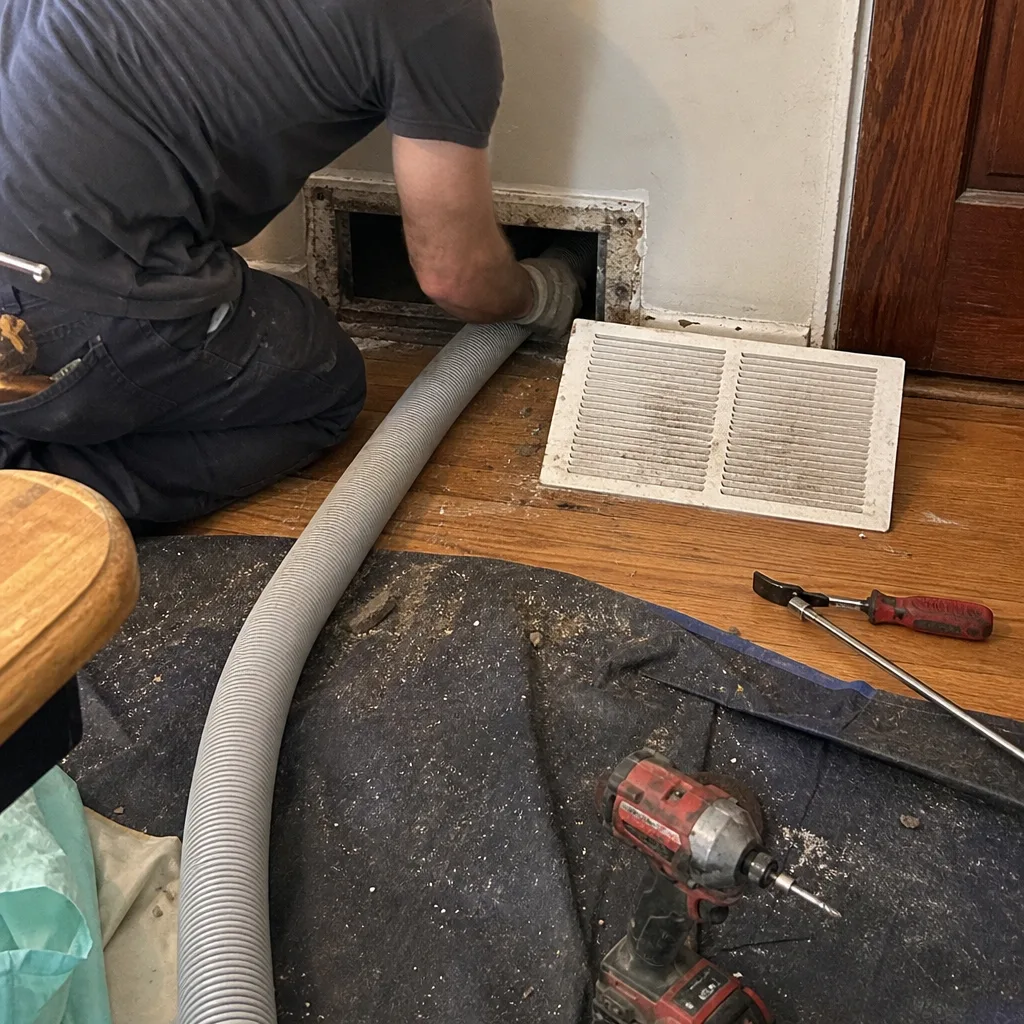 Before
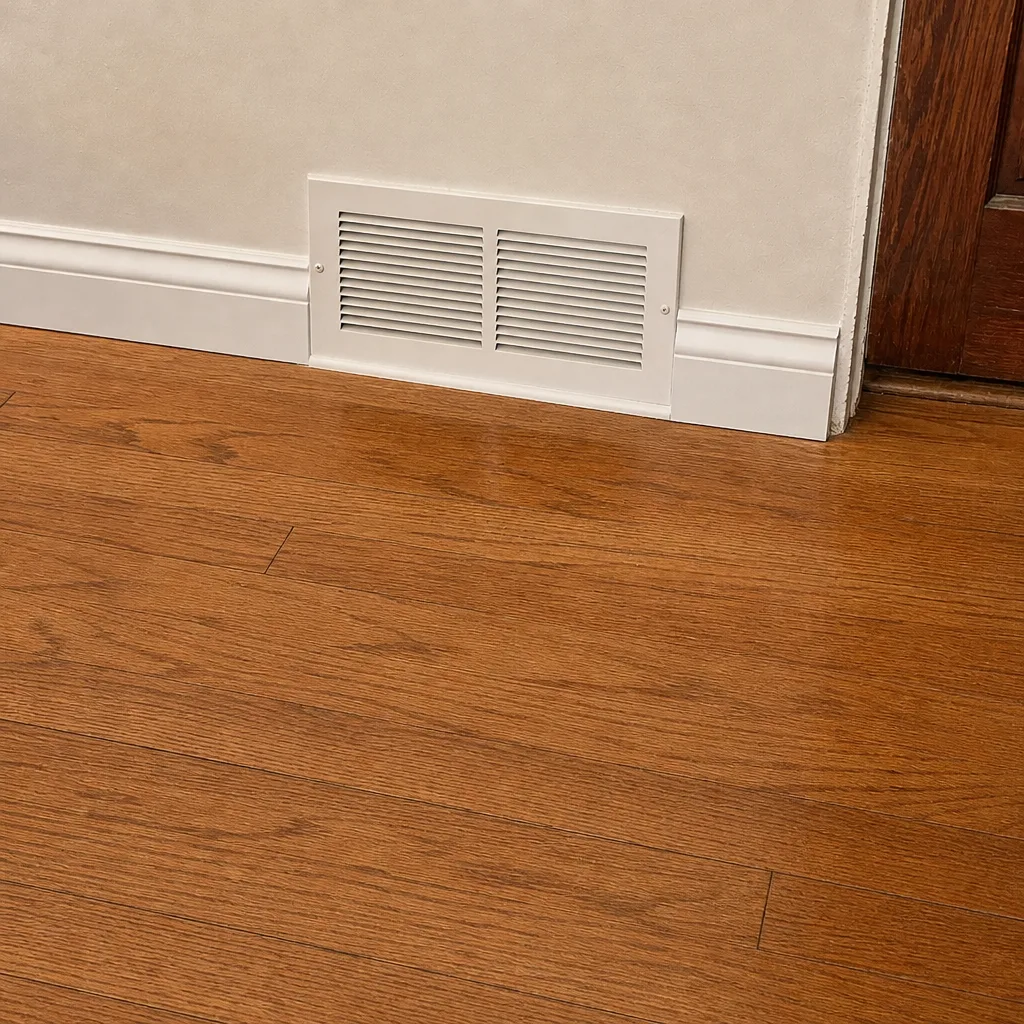 After
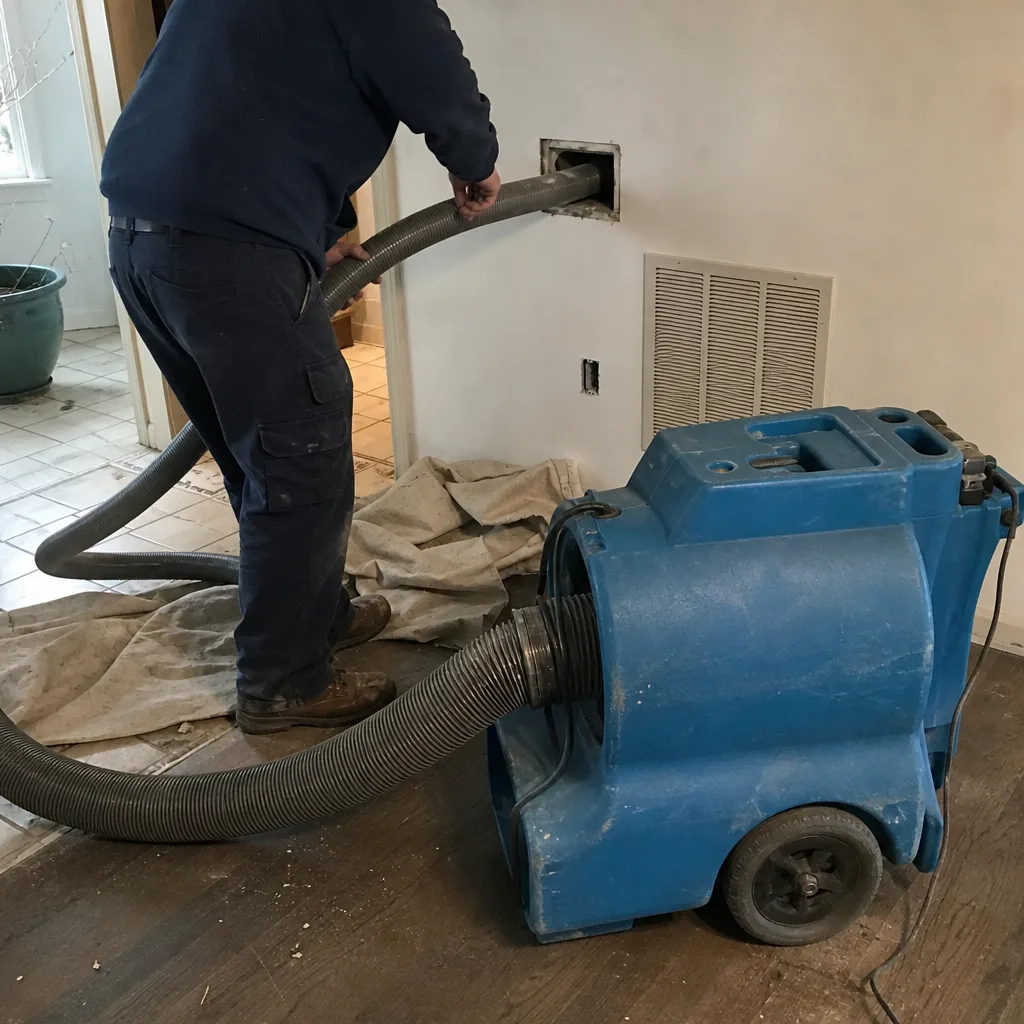 Before
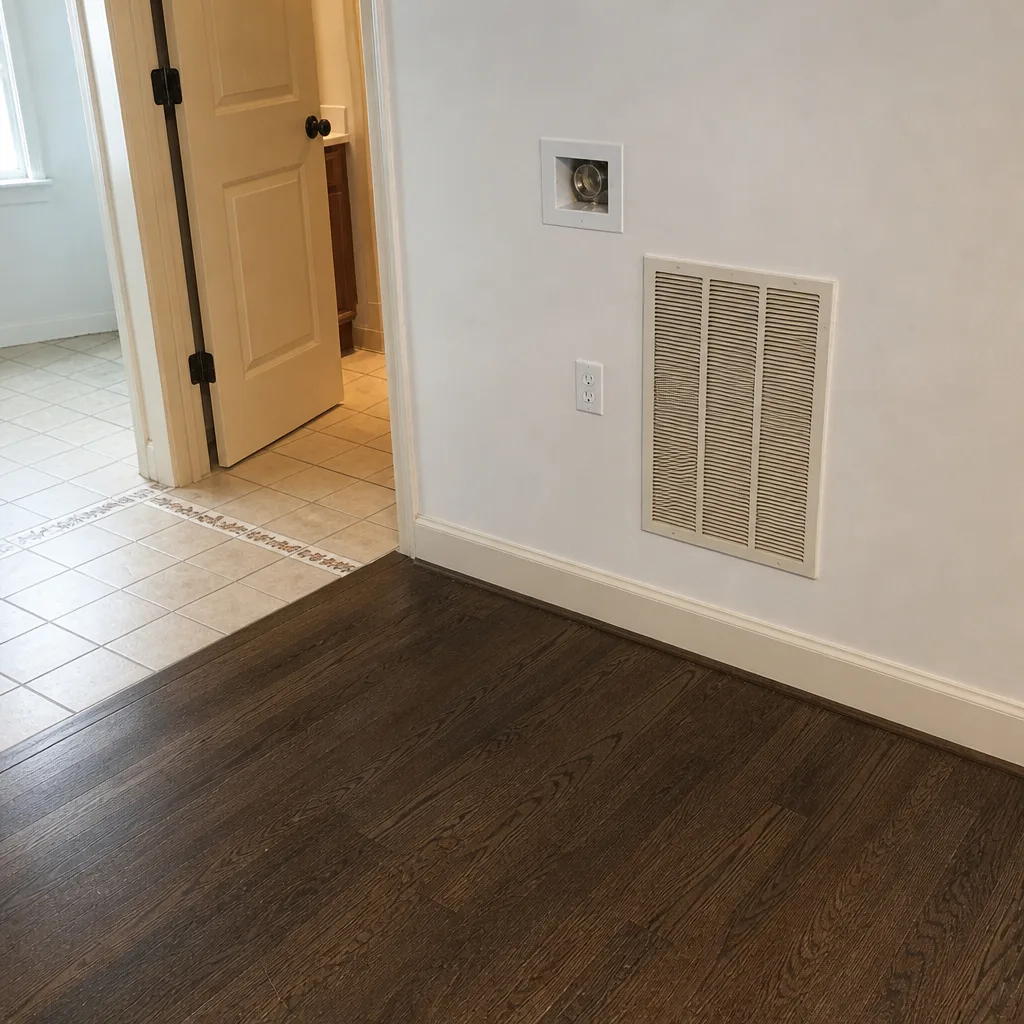 After
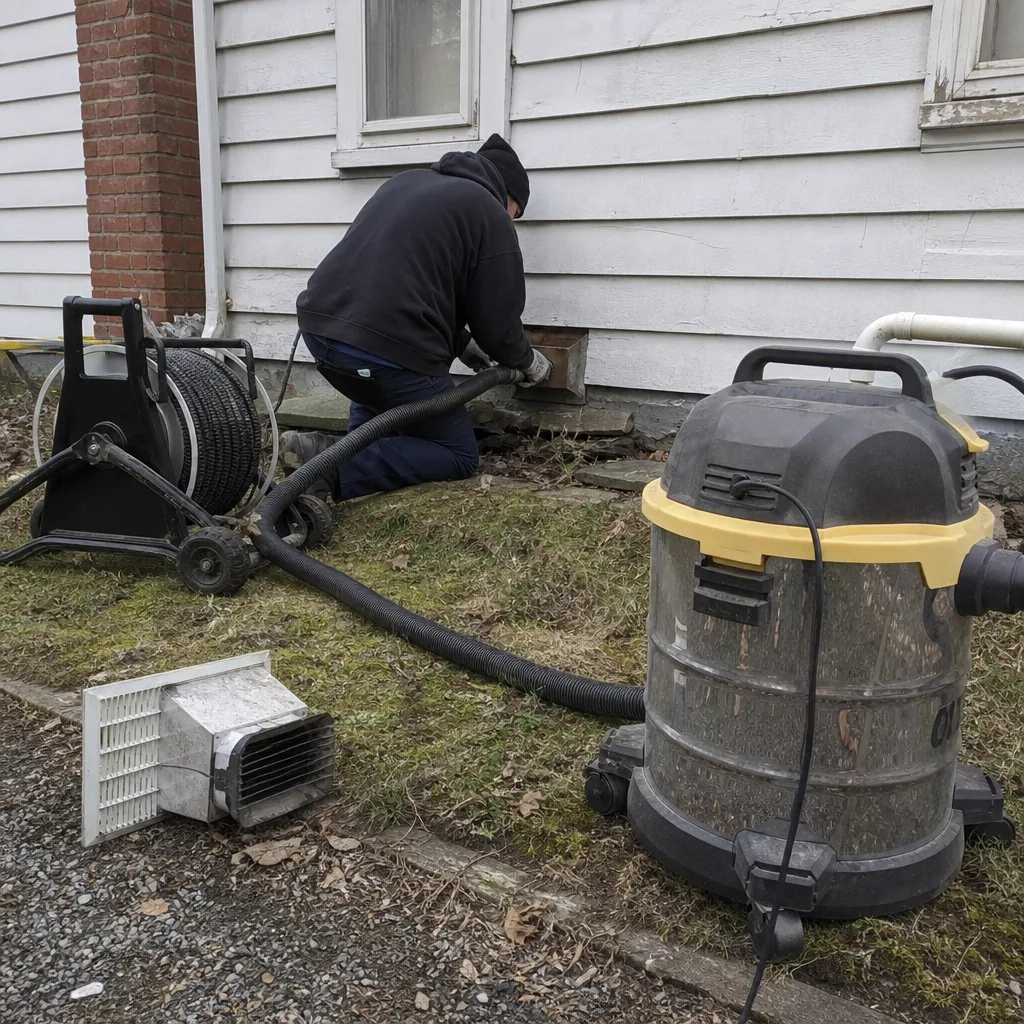 Before
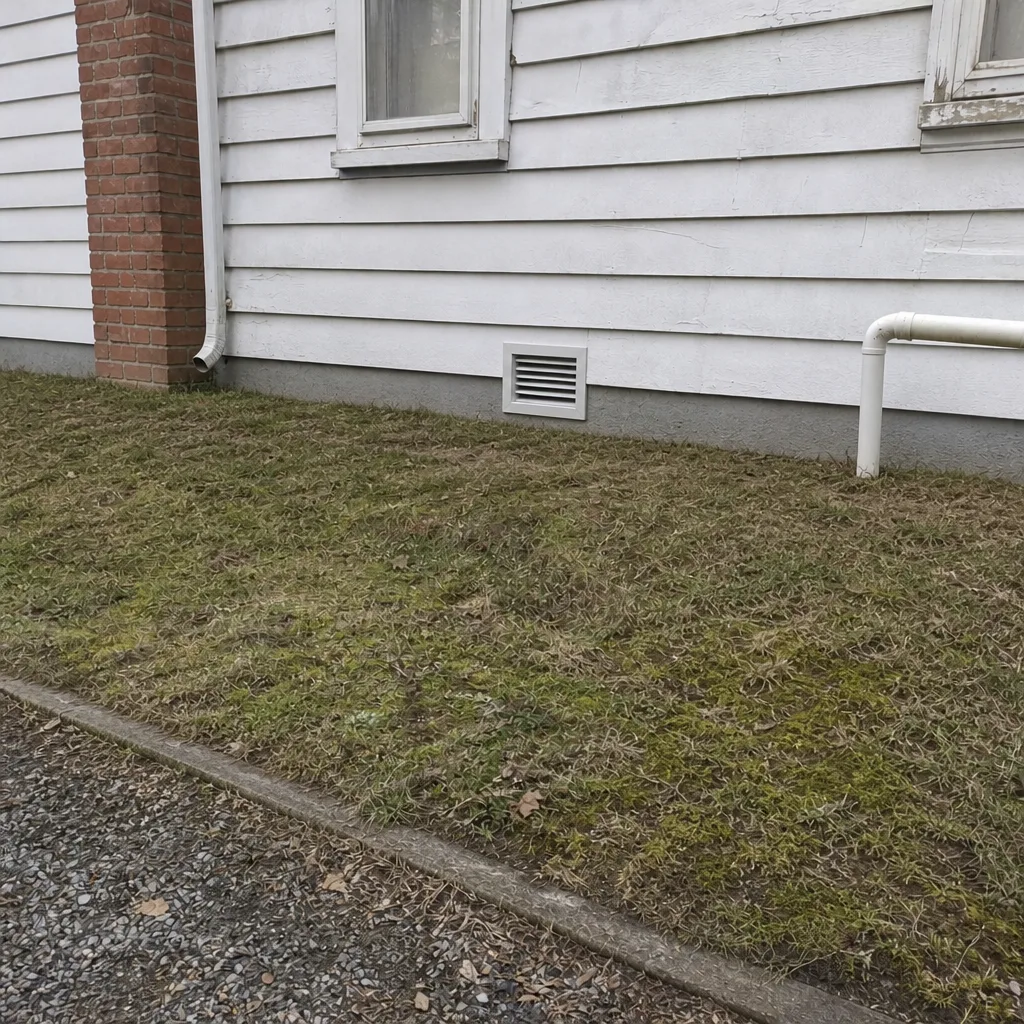 After
When to Call a Professional
Some findings aren’t homeowner checks. Call when you see visible biological growth anywhere in the system, when there’s been water intrusion into ductwork, when you find pest evidence (droppings, nesting material, dead animals), after a major renovation that ran the HVAC, or when airflow has dropped noticeably and a filter change didn’t fix it. Call too if a musty smell persists after a cleaning, or if a register streaks again within a year. These are the situations where a full inspection pays for itself. Charleston Air Duct Cleaning Pros offers free estimates in Charleston. Call (877) 792-6016. We answer 24/7. Fast dispatch from 7am to 7pm, Sunday through Friday. The price is set per job by a written estimate agreed before any work starts, and our technicians have up to 14 years of experience with commercial-grade equipment brought to your home.
If you’re not sure whether your situation qualifies, describe what you’re seeing on the phone. A few minutes of questions usually settles whether you need Charleston Air Duct Cleaning Pros out for an assessment or whether a filter change and a sealed boot will do it.
Frequently Asked Questions
Every two to three years is the typical interval for a Charleston home with no special conditions, and it’s a condition-based schedule rather than a fixed rule. Homes with pets, recent renovation, crawlspace moisture, or a poorly sealed system need assessment sooner. The checklist in this guide tells you which triggers apply to your house. Call (877) 792-6016 for an exact quote – estimates are free.
The price is set per job by a written estimate after the system is assessed, because a small single-story home and a two-story with a finished basement are very different jobs. We quote one flat price per system with no per-vent pricing, and that number is agreed before any work begins. A low teaser figure that grows once the technician is on site is the pattern this avoids. Call (877) 792-6016 for an exact quote – estimates are free.
Cheap quotes usually reflect cheaper equipment and a shorter process – often a shop vacuum at the grille rather than commercial-grade agitation and containment. The work looks done from the living room because there’s nothing to compare it against. Ask what equipment will be used and whether you’ll get before-and-after photos of your own system. Call (877) 792-6016 for an exact quote – estimates are free.
Ask for before-and-after photos of the interior of the system and a written record of what was cleaned, repaired, or sealed. Those two items let you compare against your own monthly log photos. Without them, you’re relying on a description. Call (877) 792-6016 for an exact quote – estimates are free.
Yes, and the monthly check is designed for exactly that. You’re looking at the grille face, the boot seam, and the airflow at each register, plus the filter condition at the air handler. Anything that requires opening the cabinet, reaching into the duct, or working near electrical parts belongs to a technician. Call (877) 792-6016 for an exact quote – estimates are free.
Cleaning removes what’s accumulated inside the system; sealing closes the leaks that let new material in and let conditioned air out. A leaking system will re-contaminate after a cleaning, and it wastes energy in the meantime. They’re separate services, and a complete job often involves both. Call (877) 792-6016 for an exact quote – estimates are free.
Yes, on its own interval. The dryer vent is a separate system from the HVAC ducts and lint accumulation is a fire risk, not just a performance issue. We keep it on the same maintenance calendar so it doesn’t get forgotten between HVAC service visits. Call (877) 792-6016 for an exact quote – estimates are free.
The Bottom Line
A duct maintenance checklist for a Charleston home works because it’s built around triggers, not dates. Check the three things at every register each month. Run the moisture check in spring, the woodsmoke inspection in fall, and the condensation check in winter. Track four simple measures so you can see a trend instead of guessing. Log everything, including photos and invoice numbers, so a contractor can quote accurately and you can verify the work. Keep filters honest, seal leaks when they show, and don’t skip the dryer vent. Do those things and professional cleanings stay on a sensible schedule rather than getting called in when something’s already gone wrong.
If you’d rather have someone walk the system and tell you where you stand, call (877) 792-6016 for a free estimate. We answer 24/7. Fast dispatch from 7am to 7pm, Sunday through Friday. One flat price per system, agreed before work starts, with before-and-after photos of your own ducts.
Written by the team at Charleston Air Duct Cleaning Pros.