
Last updated November 25, 2026
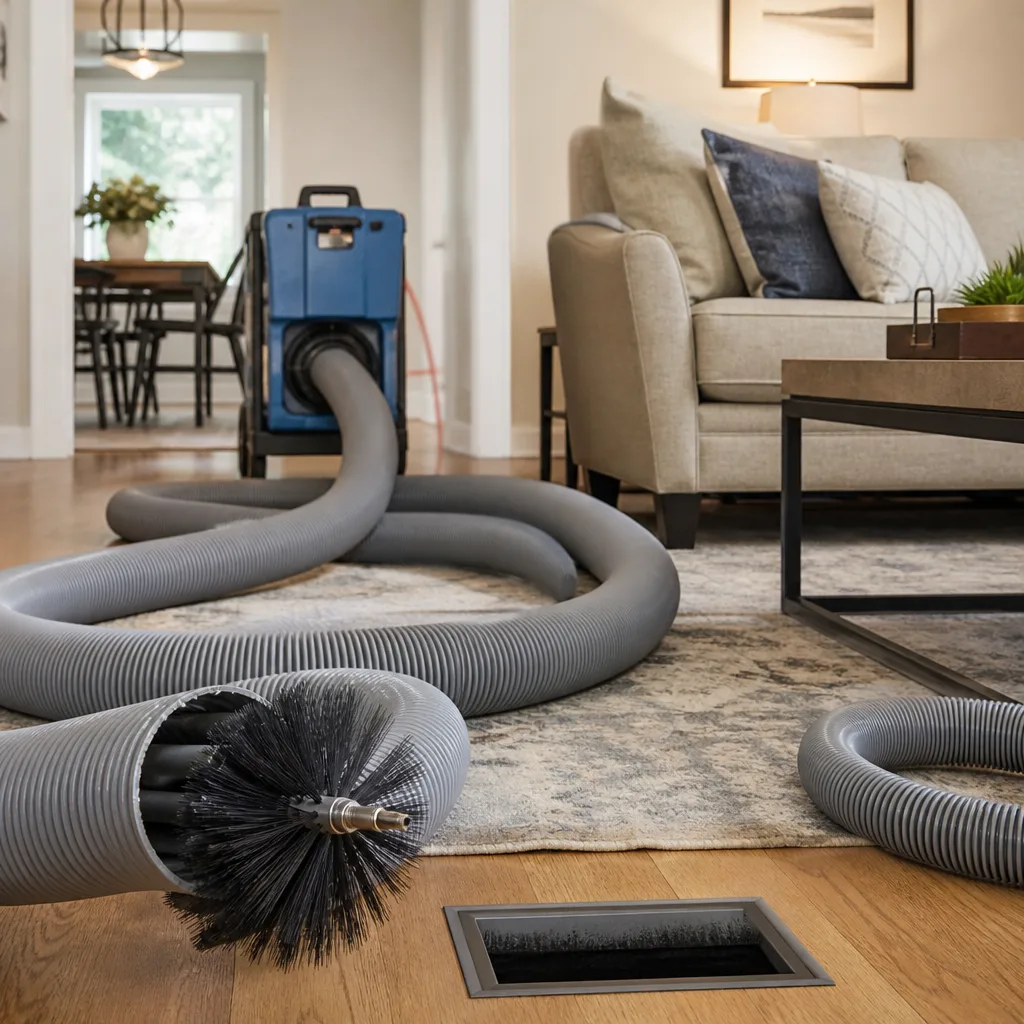 Whole-home duct cleaning
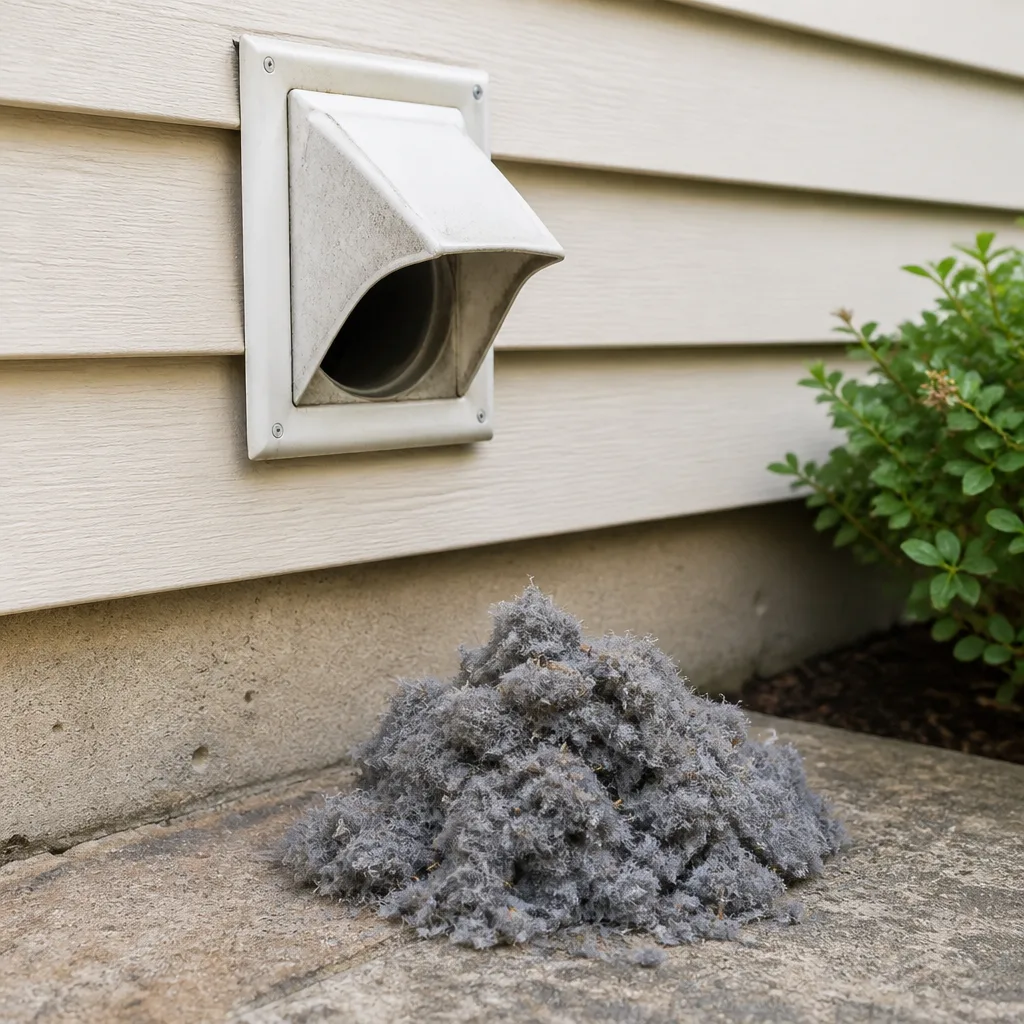 Dryer vent cleaning
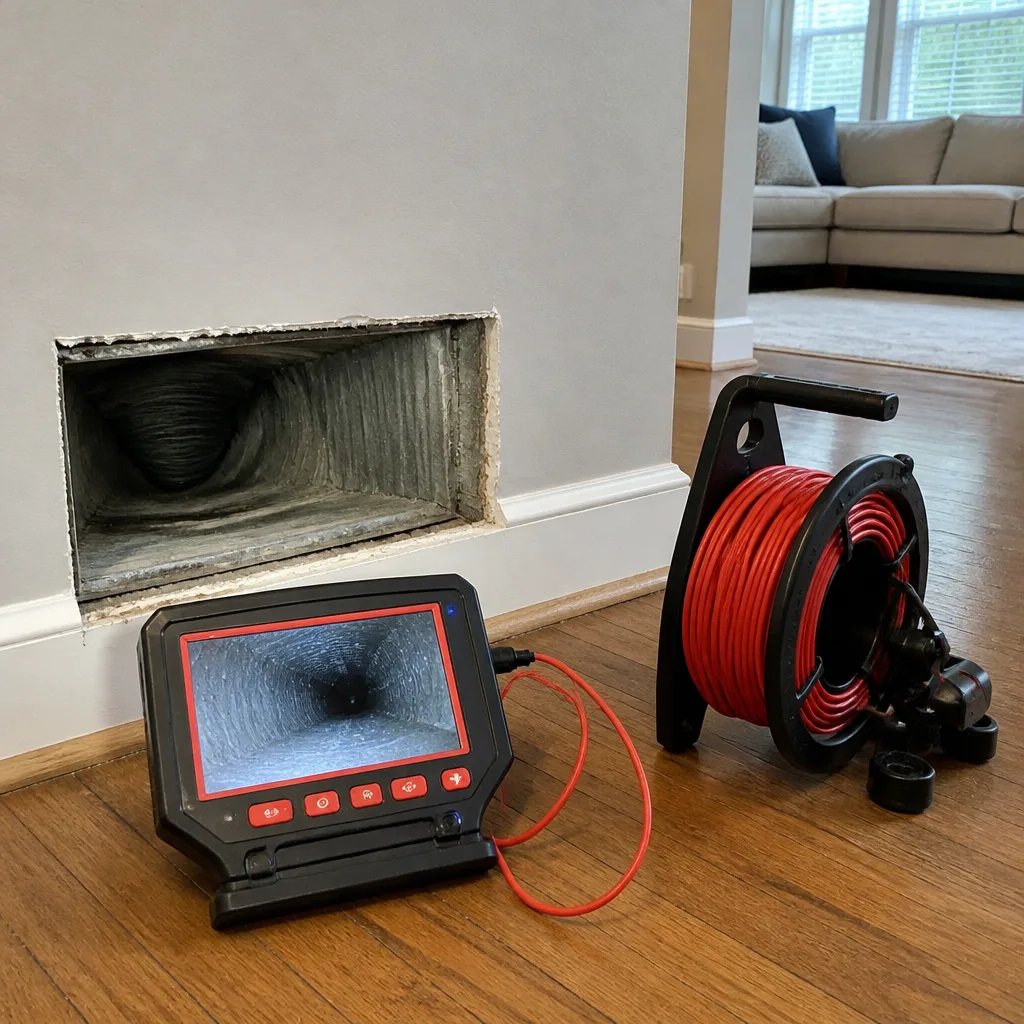 Camera inspection
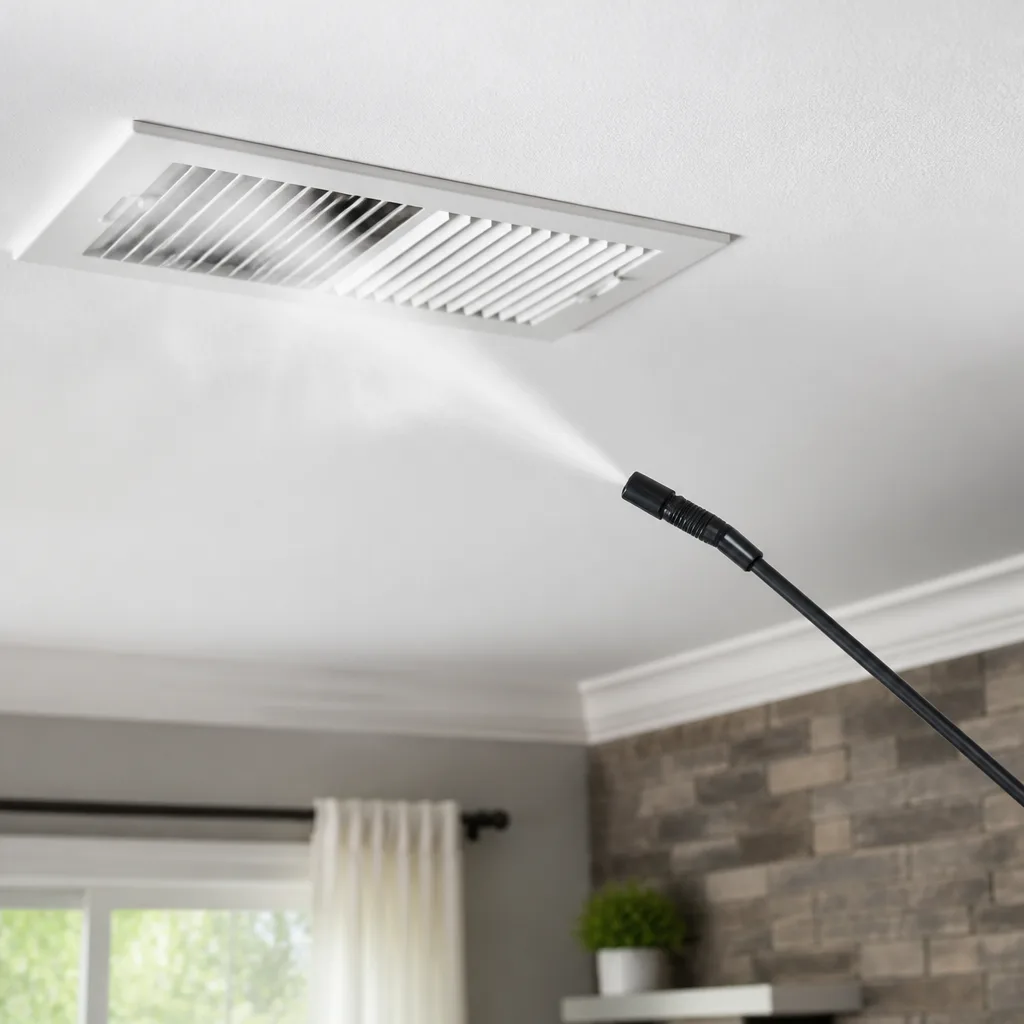 Sanitizing & deodorizing
Whole-system duct and dryer vent check with before-and-after photos - you see exactly what came out of your vents
That "$99 whole-house special" is a bait ad - the real number appears once they are in your hallway, or the "clean" is a shop-vac at the register. We photograph the inside of your ducts before and after instead.
Air Duct Cleaning Cost Breakdown: The Charleston Homeowner’s Reference for 2026
Two quotes land in your inbox for the same house in Charleston. One says $99. The other says $850. Both promise “whole-house duct cleaning,” and both are talking about the same ductwork. The difference is rarely profit margin and almost never the number of vents. It’s what each contractor plans to actually do inside your walls, how long they intend to be there, and what equipment shows up in the driveway. This guide breaks down every line item that shapes a real duct cleaning quote so you can evaluate any estimate on its merits. Mention Charleston once here because the market matters, and it will come up throughout.
Quick Answer
Air duct cleaning in Charleston and the wider Hudson Valley typically runs $300 to $800 for a standard single-family home in 2026, with whole-system jobs that include sanitizing, sealing, and dryer vent work landing between $700 and $1,200. Anything quoted under $150 is almost always a surface-level vacuum of the visible vents, not a full-system clean. The written estimate after an on-site assessment sets the final price, every time.
Styles & brands we work with
- Whole-home duct cleaning
- Dryer vent cleaning
- Camera inspection
- Sanitizing & deodorizing
Table of Contents
- Why Duct Cleaning Quotes in Charleston Range From $89 to $1,200
- The Line Items That Actually Drive Your Quote
- What an $89 “Whole-House” Quote Is Really Buying
- Add-Ons Worth Paying For in Charleston, and the Ones That Aren’t
- 2026 Hudson Valley Pricing Benchmarks
- How to Structure a Multi-Service Appointment
- How to Evaluate Any Quote You Receive
- What You Can Check Yourself Before Calling Anyone
Why Duct Cleaning Quotes in Charleston Range From $89 to $1,200
The national average duct cleaning price means almost nothing for a Charleston homeowner. Your quote is shaped by your home’s age, its duct material, linear footage, how difficult the system is to reach, and how contaminated it actually is. A contractor who doesn’t ask about those five things before handing you a number hasn’t priced your job. They’ve priced a number that sounds friendly enough to get them through the door.
Here in Charleston, the housing stock spans a wide range. Older farmhouses and converted structures often have sheet metal trunks with limited access panels and long horizontal runs. Newer construction in and around Charleston tends toward flex duct, which is easier to reach in some ways but harder to clean thoroughly because flexible ribs trap debris and the material itself is fragile under high pressure. Fiberboard duct, common in certain mid-century builds, can’t handle aggressive mechanical brushing at all without damage. Three homes on the same street can require three completely different jobs.
Understanding that range matters because it calibrates your expectations before a technician ever pulls into your driveway. If you’re quoted $89 for a 2,400-square-foot house with 22 vents and three different duct transitions, the math doesn’t work. No commercial machine, no matter how well maintained, cleans that system in less than two hours. And if a technician isn’t there for at least that long, the work hasn’t been done.
When we’re assessing a home in Charleston, we walk the whole system before we quote. That means the supply side, the return side, the air handler, and every branch line we can access. That walk takes time, and it’s the reason our written estimate numbers differ from a phone quote from a company that never left the office.
The Line Items That Actually Drive Your Quote
Every legitimate duct cleaning quote is built from the same handful of cost drivers. Some contractors bundle them into a single number. Others itemize. Either way, here’s what should be influencing the total.
1. Linear Footage Versus Number of Vents
Number of vents is a convenient shorthand, but it’s not the actual cost driver – linear footage is. A 12-foot branch run to a distant bedroom takes far longer to clean than a 3-foot stub near the air handler. Two homes with identical vent counts can have 100 feet and 250 feet of ductwork respectively. Ask for the linear footage to be estimated in your quote. If the contractor can’t tell you roughly how much ducting you have, they haven’t looked at your system carefully enough to give you a real number.
2. Duct Material Type
- Flex duct: Easier to install but harder to clean without tearing the liner. Takes a lighter-touch tool and more passes per branch.
- Sheet metal: Durable and cleanable with mechanical brushing, but older joints often leak and may need sealing after cleaning.
- Fiberboard: Requires low-pressure cleaning to avoid crushing the panel. A contractor without the right tools will opt to skim it, which is worse than no cleaning.
3. Access Difficulty
Older Charleston homes – and this is true across the Hudson Valley – often have limited access panels, sealed trunks, and runs routed through finished spaces. Cutting an access point is sometimes necessary, and it’s labor. Contractors who are willing to open a small panel and close it properly afterward will always cost more than one who declares the system “not accessible” and cleans what they can reach from the vents.
4. Contamination Severity
Light dust accumulation is one thing. A system that’s fed years of pet hair, cooking aerosolized oil, and mold spores from a chronically damp basement is another job entirely. We see this regularly in Charleston homes with dirt-floor crawlspaces or unconditioned basement air handlers. Heavy contamination means more time, more containment, and often a sanitizing step afterward. That’s a real cost, and any honest quote should reflect it.
5. Equipment Class
This is the line item most homeowners never see, because contractors don’t itemize it. A shop-vac-based rig and a Rotobrush or Nikro system aren’t doing the same job, even if both are marketed as “professional air duct cleaning.” We run Rotobrush and Nikro on every job, and add Abatement Technologies air-containment equipment when the work requires remediation-grade containment. That capability is what turns a $99 quote into a $400 quote that actually cleans the system.
What an $89 “Whole-House” Quote Is Really Buying
An $89 whole-house duct cleaning doesn’t clean the whole house. It can’t. What that price actually buys is a service person with a handheld vacuum or a light-duty shop-vac, sweeping the visible inside of the supply vents and maybe the air handler filter grille. It’s a cosmetic pass. In a typical Charleston home with 15 or more vents and multiple branches, a thorough job takes a commercial rotary brush system, a truck- or containment-mounted vacuum pulling negative pressure through the whole system, and the time to work through every branch systematically.
Here’s the uncomfortable math. A two-tech crew spending three hours in a Charleston house is six labor hours plus equipment depreciation plus travel. An $89 price doesn’t cover that. So what’s happening in the house when a contractor sells at that number? Usually one of three things:
- The vent pass: A technician vacuums the visible registers and leaves. Ductwork inside the walls is untouched.
- The upcharge pitch: The $89 is a “starting price.” Once the technician is inside, they find “mold,” “urgent contamination,” or “damaged flex” and the invoice becomes $900. You had no way to evaluate that claim because you weren’t shown the evidence.
- The equipment gap: A shop-vac rig pulls maybe a fraction of the airflow a commercial system requires. It can’t generate enough negative pressure to move decades of settled debris from a 20-foot horizontal run.
If a bid comes in at $89, ask what equipment will be in the driveway and how many hours the crew will be inside. Those two answers tell you more than any sales pitch.
Add-Ons Worth Paying For in Charleston, and the Ones That Aren’t
Worth Paying For
Sanitizing after heavy contamination. When a system has visible microbial growth, musty odor, or has been through a water event (a flooded basement, a burst pipe overhead), a Guardsman-grade sanitizing treatment delivers something measurable: it reduces what’s growing in the ducts, not just what’s sitting in them. Using Honeywell or Aprilaire air-quality products alongside a proper sanitizing pass turns a duct cleaning into an air-quality intervention. In Charleston homes with crawlspace or basement air handlers, this is often the difference between “better” and “actually resolved.”
Dryer vent cleaning. This is a fire-prevention service, not an upsell. Lint buildup inside a dryer vent is a common cause of residential fires, and most duct cleaning contractors don’t offer it. Cleaning it during a duct job saves you a second appointment and addresses a real risk in the same visit. It’s on our dryer vent cleaning service menu as a standalone job too, but bundling it into a whole-house visit is straightforward.
Duct repair and sealing after cleaning. Cleaning opens and disturbs joints. Sealing them afterward with proper mastic or foil tape is cheap insurance against the leaks that send air into crawlspaces and attics. We repair what we find, and we seal after cleaning so the improvement actually holds.
Usually Not Worth the Price
- Enzyme treatments pitched without evidence: If a contractor waves a swab and claims contamination without showing you photos or test strips, the treatment is theater.
- UV lights pitched as a standalone fix: UV works as one part of a system with proper airflow, filtration, and a clean coil. It’s not a replacement for cleaning and shouldn’t be sold as one.
- “Antimicrobial coatings” sprayed on every job: Not every system needs it. A light cleaning with no microbial growth doesn’t require a coating, and the coating adds cost without a clear benefit.
If you want the full scope of what air duct cleaning includes on our side, that’s the place to start. We only recommend add-ons when the assessment justifies them.
2026 Hudson Valley Pricing Benchmarks
Hudson Valley duct cleaning pricing sits slightly above national averages because of labor costs and the older housing stock contractors are typically working in. For a Charleston homeowner calibrating a quote, here’s what a legitimate 2026 estimate should look like in tiers.
- Small home or condo, single system, light dust: $280-$450. Under 10 vents, simple access, no remediation concerns.
- Standard single-family, 12-20 vents, moderate dust: $400-$650. The typical range for a well-kept Charleston home.
- Larger home, multiple systems, heavy contamination or historic construction: $650-$1,100. Adds access work, containment setup, and longer crew time.
- Full system package – cleaning plus sanitizing plus sealing plus dryer vent: $800-$1,250. One appointment, complete scope, best per-service value.
- HVAC cleaning as a separate add-on: $200-$500 on top of duct work, depending on coil and blower condition.
If a quote for a standard Charleston home lands well above these bands, ask for a breakdown. If it lands well below, ask what’s being left out. Neither is automatically wrong – but a quote outside the band should explain why. Our HVAC cleaning work is often bundled into these packages, and the assessment covers both duct and mechanical components in one visit.
How to Structure a Multi-Service Appointment
Bundling services into a single appointment usually lowers the total cost – not through discounts or promotions but through shared setup time. A crew that’s already set up containment and pulled vacuum for duct cleaning can run the dryer vent and sanitize in the same visit for far less than three separate trips.
Here’s how we’d recommend structuring a multi-service job for most Charleston homes:
- Start with an on-site assessment. The written estimate should cover everything in one document so you can see the total and the scope together.
- Book duct cleaning and dryer vent cleaning on the same visit. Both use similar negative-pressure equipment, and both should be done during the same containment setup.
- Add duct repair and sealing only if the assessment found leaking joints, torn flex, or disconnected branches. If nothing’s broken, don’t pay for it.
- Add sanitizing only if there’s a real reason: visible growth, odor, recent water event, or an occupant with a respiratory condition. Honeywell and Aprilaire filtration steps belong here if they fit your system.
- Schedule HVAC cleaning if the assessment found buildup on the blower wheel or coil. Cleaning ducts while the air handler stays dirty just recontaminates everything.
The goal is one visit, one price, one full scope. That’s the “clean, sealed, and sanitized” difference – not a bundle gimmick, but a full-lifecycle approach that saves you a second contractor and a second appointment.
How to Evaluate Any Quote You Receive
You have a piece of paper in your hand. Here’s how to read it.
- Does it list linear footage or vent count? Either works as long as the number on the page matches what you can count in your house. A quote that says “whole-house” with no measurement is a guess.
- Does it name the equipment? Rotobrush, Nikro, Abatement – if the contractor can’t tell you what machine is coming, they may not have one.
- Does it separate cleaning from add-ons? A good quote lets you see the cost of each service so you can decline anything unnecessary.
- Does it guarantee the price in writing? The written estimate sets the final price. Not the coupon, not the phone quote. The estimate.
- Does it offer before-and-after photos? You should be able to see what came out of your ducts. We photograph systems on every job, before and after, because “we cleaned it” without evidence is exactly the story that gives this industry its reputation.
We quote Charleston homes on the same standard: one flat price per system, agreed before work starts, with photos of your own ducts before and after. If a quote you’re comparing doesn’t offer the same, ask why.
What You Can Check Yourself Before Calling Anyone
A little reconnaissance before you call saves money on the estimate. None of this is a substitute for a real assessment – ductwork inside walls and ceilings isn’t a place to be curious with a shop vacuum – but these checks help you ask better questions.
- Count the vents. Supply and return. Write the number down. Any contractor should confirm it matches their own count.
- Look at each vent for dust streaks, dark staining, or furry growth. Visible staining around the grille usually means there’s more upstream.
- Sniff near the air handler and each return. A musty or “cellar” smell points to moisture, and moisture changes the whole plan.
- Check whether the air handler filter is the right size and recently changed. A dirty filter can’t be fixed by cleaning ducts upstream.
- Note any rooms that feel weak or noisy. That’s an airflow clue, and airflow problems often mean duct leakage or blockage a cleaning alone won’t solve.
We always recommend a trained professional for the actual work. Ductwork sits alongside wiring and plumbing, contains sharp sheet metal edges on older systems, and – in a whole-house containment setup – runs under serious negative pressure. Nothing about pulling a duct apart is a DIY project.
Common Mistakes to Avoid
- Choosing the lowest quote without checking equipment. The contractor with the shop vac and the contractor with a Rotobrush or Nikro system are not offering the same service. The $89 quote is $89 for a reason.
- Paying for “whole-house” without confirming the return side is included. The returns carry some of the heaviest debris loads in Charleston homes, especially if a return grille sits near a kitchen or pet area. Ask explicitly.
- Skipping the before-and-after photos. If a contractor can’t show you what came out, you have no way to verify the work was actually done. Ask for photos in writing before booking.
- Scheduling duct cleaning without addressing a dirty air handler. Cleaning the ducts while leaving a loaded blower wheel and coil is money down the drain. The contamination comes right back.
- Ignoring the dryer vent because it’s “part of the duct system.” It rarely is, and it’s the single most overlooked fire-prevention item in a home. Get it cleaned.
- Accepting a phone quote as final. A quote given without seeing the system isn’t a real quote. The written estimate after the on-site assessment is what matters.
- Skipping sealing because “the cleaning already fixed it.” Cleaning loosens joints. Sealing them afterward is what keeps the improvement in place.
See the difference
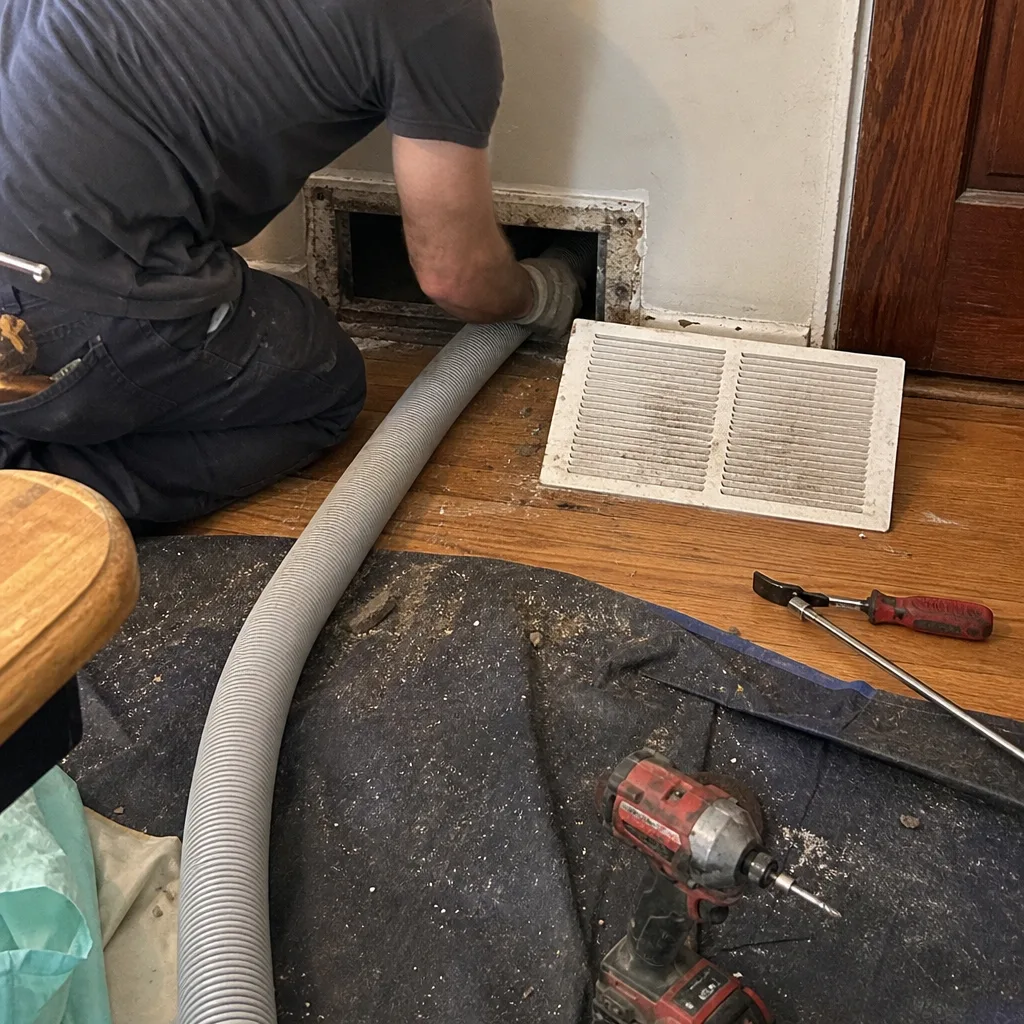 Before
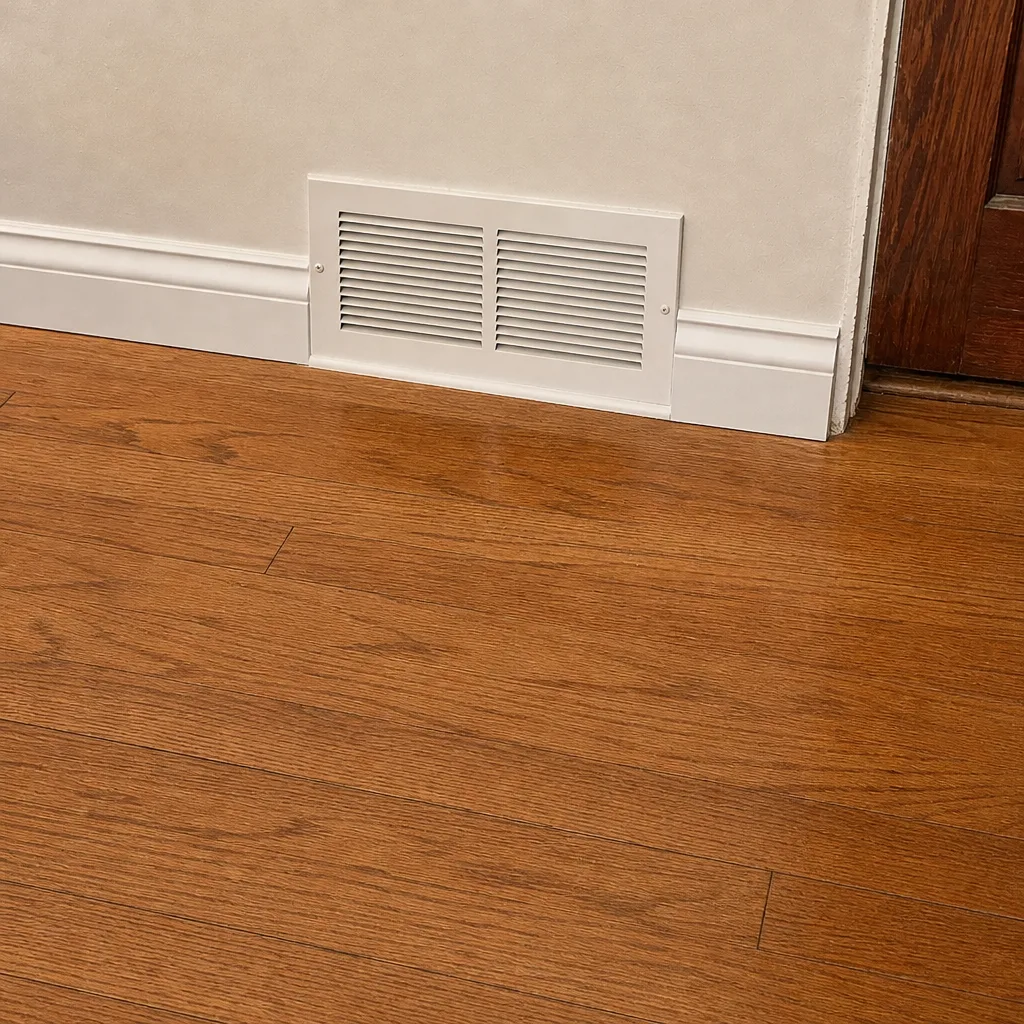 After
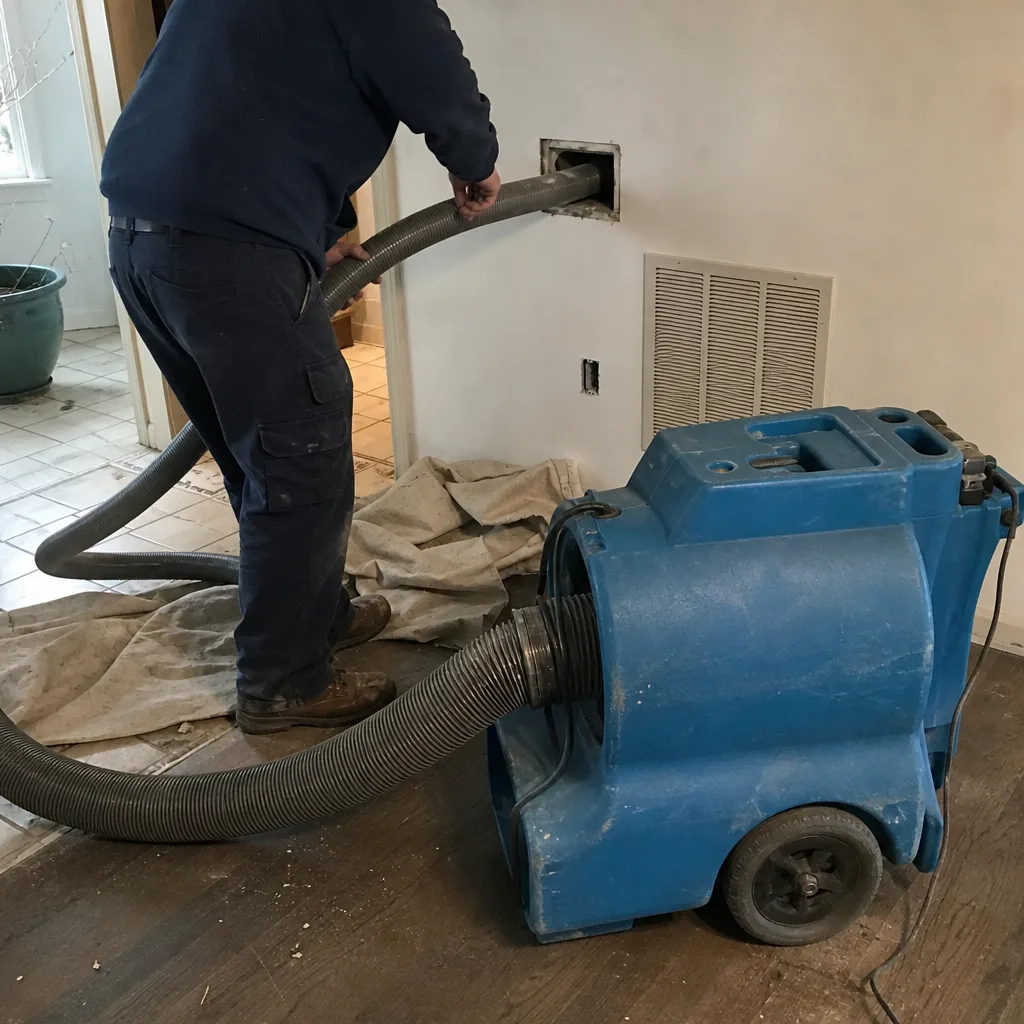 Before
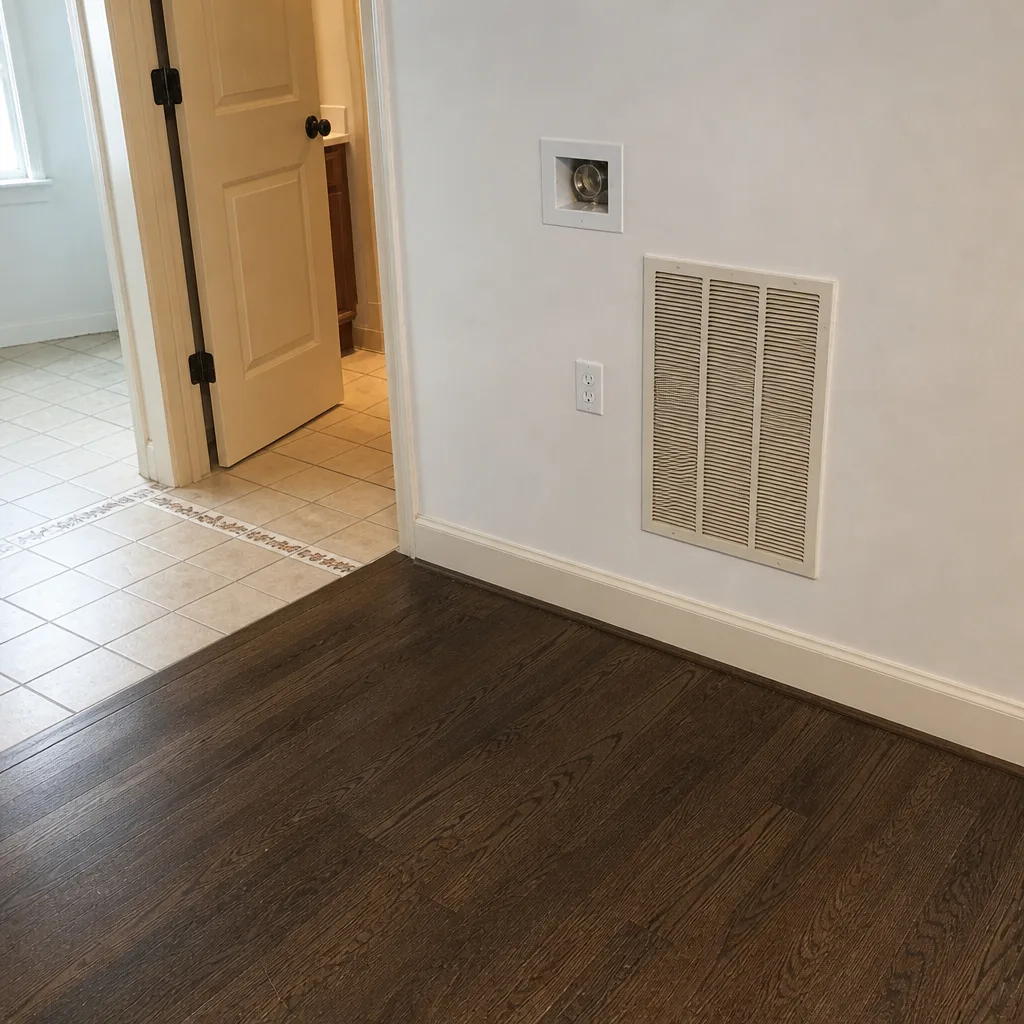 After
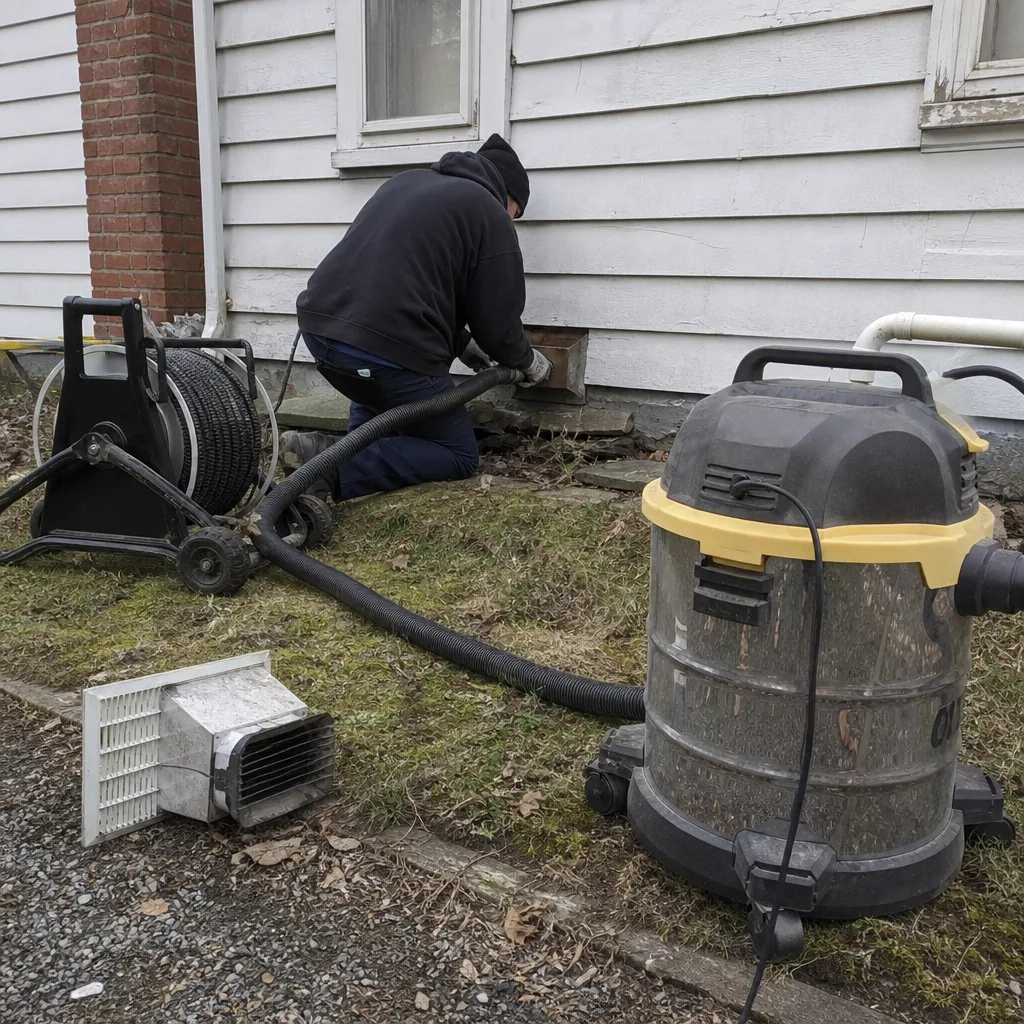 Before
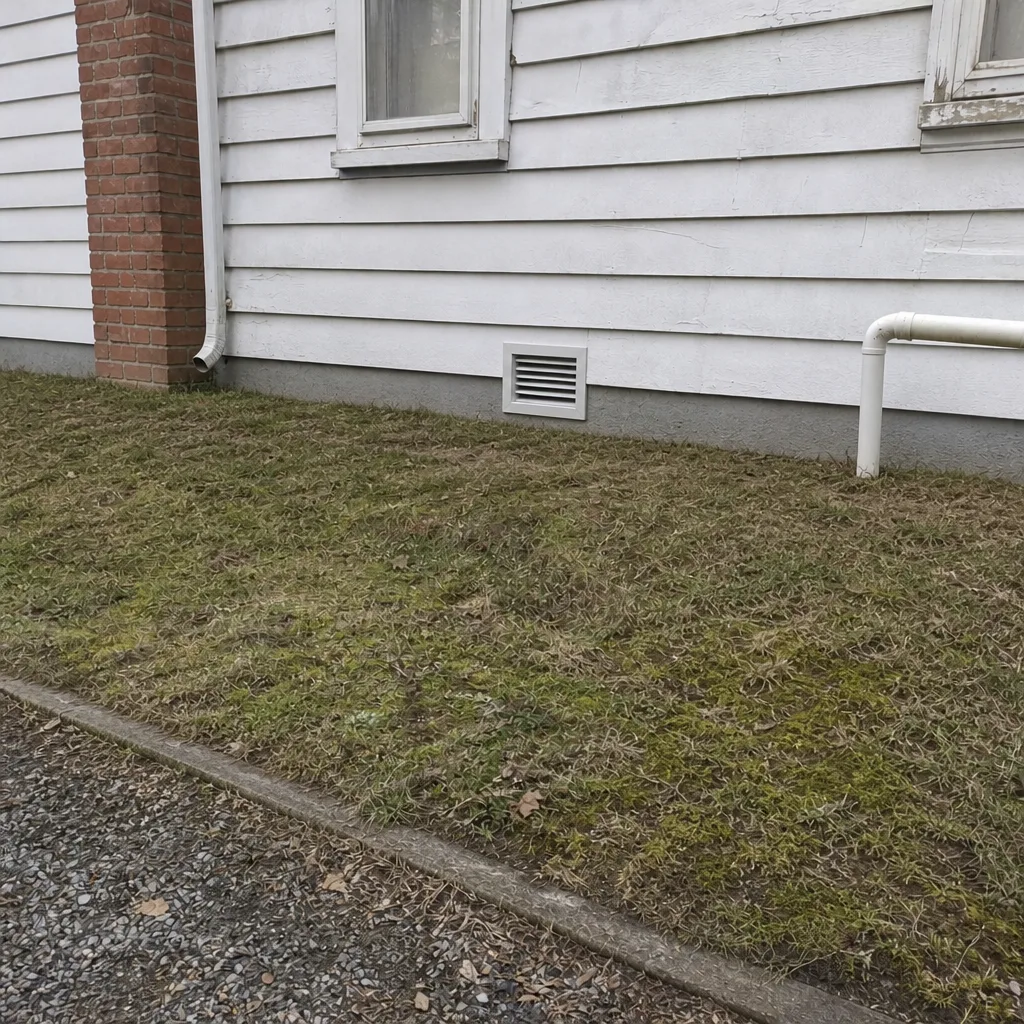 After
When to Call a Professional
Some duct conditions call for a call sooner rather than later. If you’re seeing visible dust streaming from vents after every HVAC cycle, if there’s a consistent musty smell when the system kicks on, if someone in the house has been diagnosed with a respiratory issue that a doctor has tied to indoor air quality, or if you’ve recently completed renovation work that put drywall dust and debris into the system, that’s a clear call for a professional assessment. So is any dryer that takes longer than one cycle to dry clothes – that’s a vent restriction and a fire risk.
Charleston Air Duct Cleaning Pros offers free estimates in Charleston – call (877) 792-6016 to set one up. We answer 24/7. Fast dispatch from 7am to 7pm, Sunday through Friday. Our technicians have up to 14 years of experience, and every job includes before-and-after photos so you can verify the work.
Frequently Asked Questions
Most Charleston homes fall between $300 and $800 for a standard whole-house cleaning in 2026, with comprehensive packages that add sanitizing, sealing, and dryer vent work landing between $700 and $1,200. The written estimate after an on-site assessment sets the final price. Call (877) 792-6016 for an exact quote – estimates are free.
Because they’re not quoting the same job. An $89 or $99 quote almost always means a shop-vac pass over the visible vents, not a whole-system clean with commercial rotary equipment and negative-pressure containment. Before you compare prices, compare what’s actually being done. If the numbers don’t match, call us at (877) 792-6016 and we’ll walk you through the difference.
Ask for before-and-after photos of your own ducts, taken on-site. We photograph systems on every job because “we cleaned it” without evidence is the exact story that gives this industry its reputation. If a contractor won’t provide photos, that’s your answer. Call (877) 792-6016 to book a job where the proof is standard.
Most homes in Charleston do well on a three-to-five-year cycle – longer if you keep up with filter changes, shorter if you have pets, recent renovation, or a smoking occupant. Homes with moisture issues in crawlspaces or basements sometimes need it sooner. When in doubt, call (877) 792-6016 for an assessment rather than guessing.
No, but we recommend it – the negative-pressure setup and cleaning equipment make for noise and some dust movement, especially during the first hour. Pets and young children are best kept out of the work area. Anyone with respiratory sensitivities may prefer to stay away for the full job. Call (877) 792-6016 to talk through the specifics of your home.
No – it’s a separate service because it’s a separate system, and it addresses a real fire risk that most duct cleaners skip entirely. We strongly recommend bundling it into your duct cleaning visit to save a second appointment. Call (877) 792-6016 to add it to your estimate.
The Bottom Line
Air duct cleaning prices in Charleston in 2026 range from $300 to $800 for a standard home, and $700 to $1,200 when the job includes sanitizing, sealing, and dryer vent work. The number that matters isn’t the one on the coupon – it’s the one on the written estimate, backed by named equipment, measured scope, and before-and-after photos. A $89 quote buys a $89 job. A professional job costs what a professional job costs, and the equipment in the driveway tells you which one you’re getting. Charleston Air Duct Cleaning Pros offers free estimates in Charleston – call Charleston Air Duct Cleaning Pros at (877) 792-6016. We answer 24/7. Fast dispatch from 7am to 7pm, Sunday through Friday. One flat price per system, agreed before work starts. Clean, sealed, and sanitized, with photos to prove it.
Written by the team at Charleston Air Duct Cleaning Pros.