
Last updated November 25, 2026
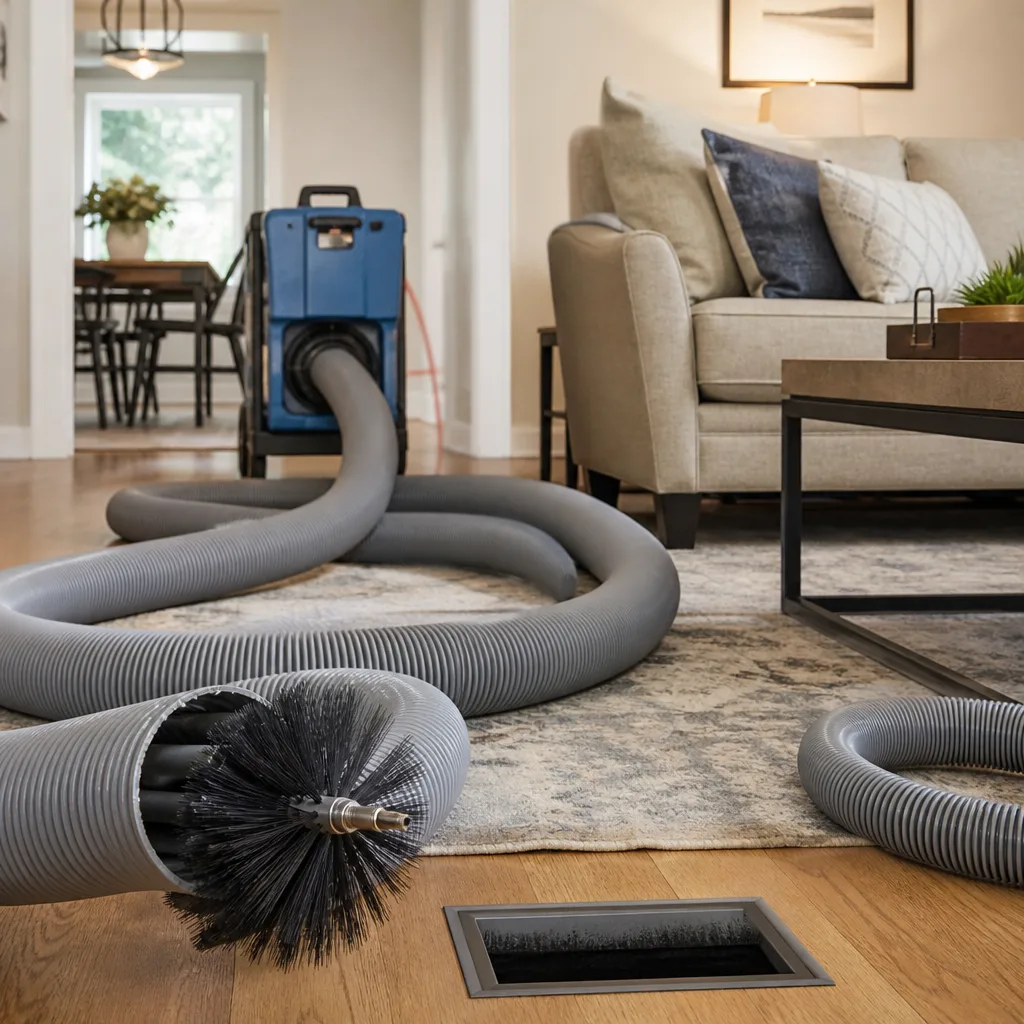 Whole-home duct cleaning
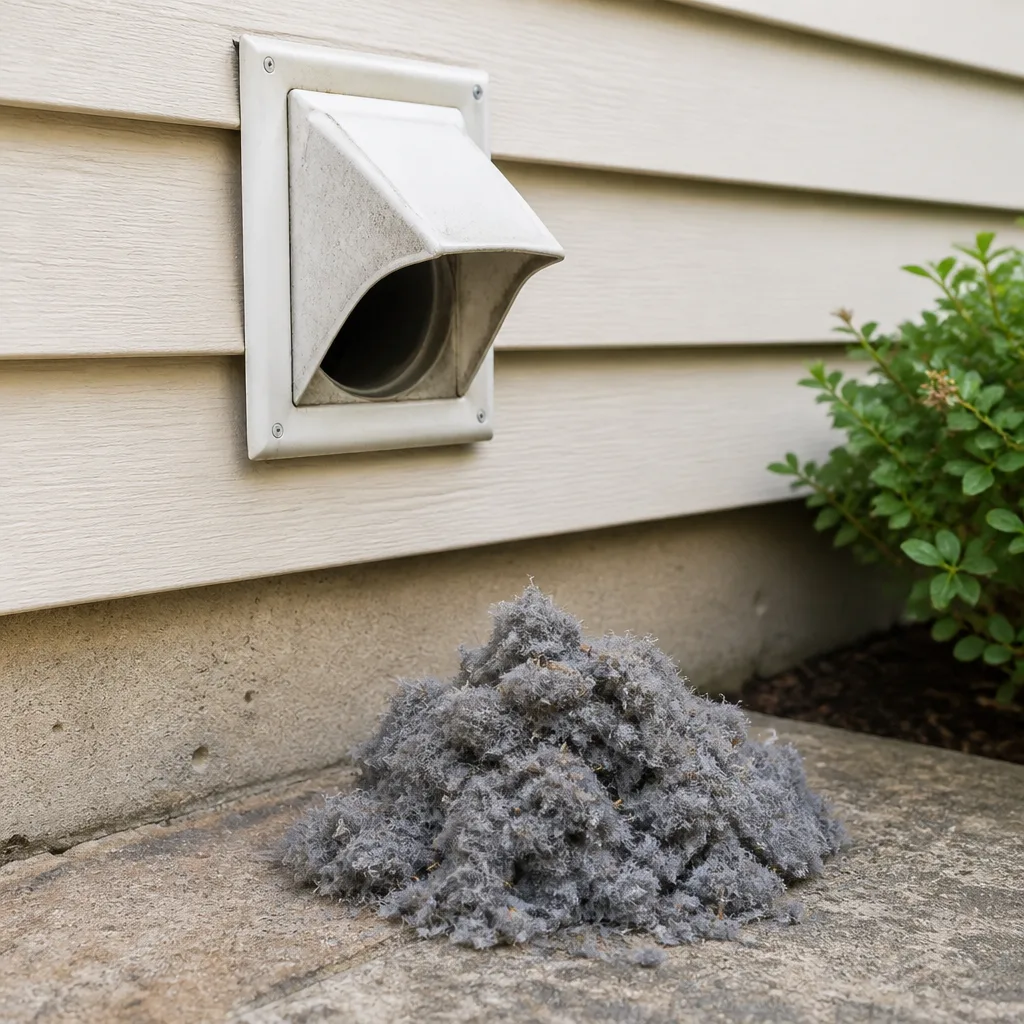 Dryer vent cleaning
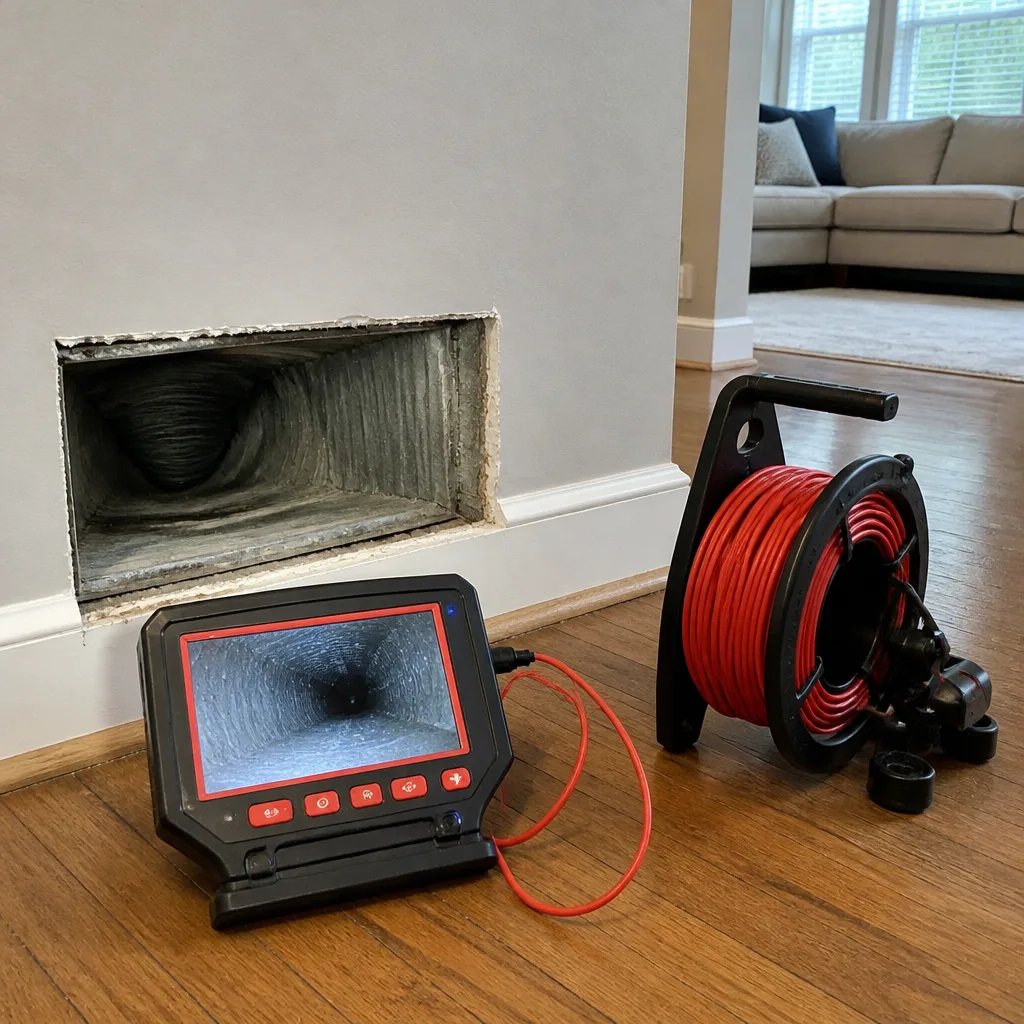 Camera inspection
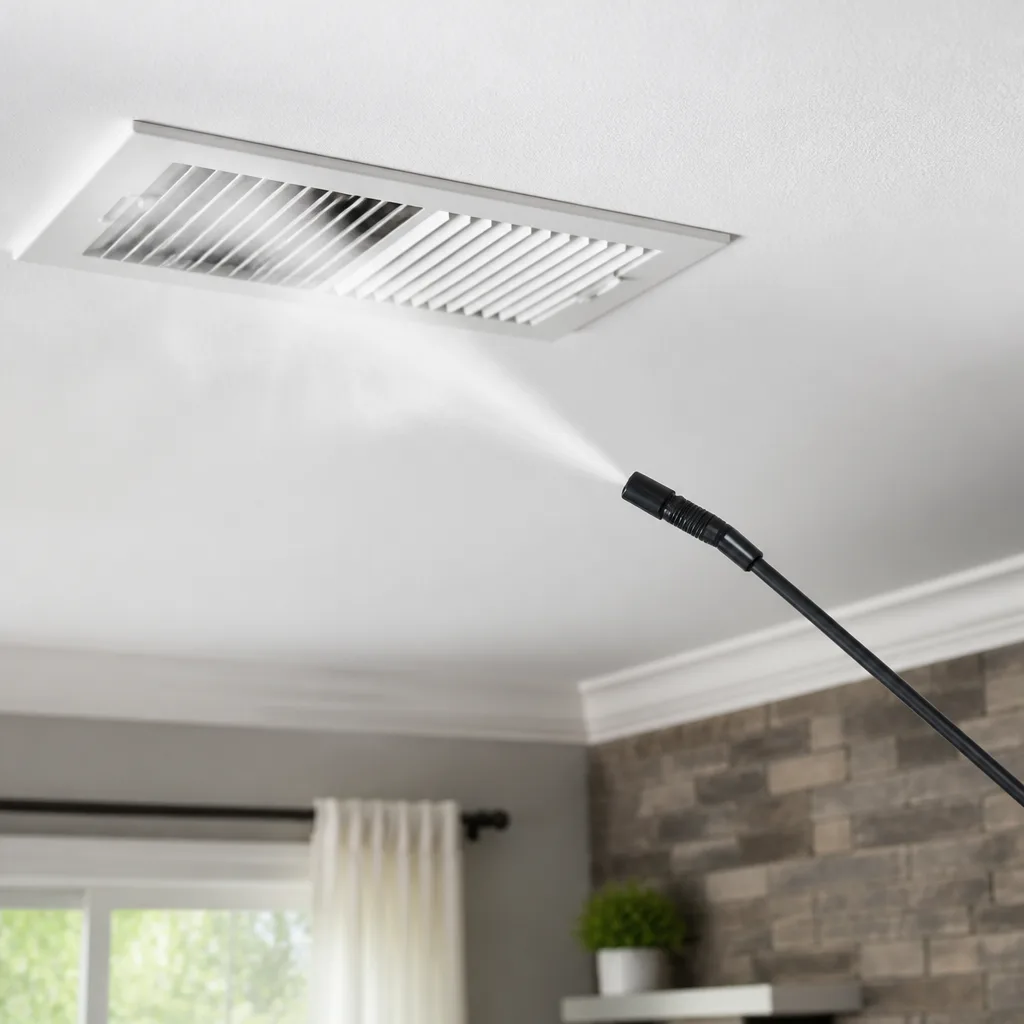 Sanitizing & deodorizing
Whole-system duct and dryer vent check with before-and-after photos - you see exactly what came out of your vents
That "$99 whole-house special" is a bait ad - the real number appears once they are in your hallway, or the "clean" is a shop-vac at the register. We photograph the inside of your ducts before and after instead.
Seasonal Air Duct Cleaning Care for Charleston: Year-Round Homeowner’s Guide
Most duct cleaning advice tells you to schedule service “once or twice a year” and leaves it there. That advice was written for a climate that doesn’t exist here. Charleston’s year runs through four distinct phases, and each one leaves a different kind of debris inside your ductwork. Pollen season coats the supply runs. Summer humidity feeds biological growth in the cooler, damper sections. Fall pulls woodsmoke and leaf debris into the return. Winter loads the whole system with heating particulate that sits there until spring. Cleaning on a generic schedule means you’re always one season behind what your ducts actually collected. This guide lays out a care calendar built for Charleston homes, with the self-checks you can run between professional visits and the timing that keeps your HVAC equipment working less to do more.
Quick Answer
Air ducts in Charleston need professional cleaning once a year, timed for late spring after pollen season ends, plus a lighter spot-check before heating season starts in fall. Homes with pets, allergy sufferers, recent renovation dust, or a wood-burning stove often need a second visit or a duct sealing check between those two points. The best single window to book a full cleaning in Charleston is May through early June, when spring pollen has finished but summer humidity hasn’t yet driven moisture into the system.
Styles & brands we work with
- Whole-home duct cleaning
- Dryer vent cleaning
- Camera inspection
- Sanitizing & deodorizing
Table of Contents
- What Each Charleston Season Deposits in Your Ducts
- Charleston’s Real Climate Calendar vs. Generic Advice
- Spring: Pollen Season and the Case for a Post-Pollen Cleaning
- Summer: Humidity, Condensation, and Biological Growth
- Fall: Woodsmoke, Leaf Debris, and the Pre-Heating Window
- Winter: Heating Particulate and Closed-Window Air
- Pre-Season Checks You Can Do Yourself
- Managing Air Quality Between Professional Visits
- How Seasonal Care Extends HVAC Life and Lowers Energy Costs
What Each Charleston Season Deposits in Your Ducts
Charleston sits in a climate with hard seasonal swings: wet springs, humid summers, dry leaf-drop falls, and cold winters that keep windows shut for months. Every one of those phases pushes a different contaminant into the same duct network. Thinking in seasons is more useful than thinking in “clean or dirty,” because the contaminant type determines what kind of cleaning actually works.
Here’s what we find accumulating in Charleston ductwork across the year:
- Spring: Tree and grass pollen, fine mold spores carried in on outdoor air, and the first wave of dust loosened by open-window ventilation.
- Summer: Moisture-driven biological growth in the cooler sections of duct runs, plus dust that clumps and sticks to damp surfaces instead of staying airborne.
- Fall: Woodsmoke particulate from fireplaces and stoves, leaf and yard debris tracked in and pulled through returns, and the settled layer that’s been building since spring.
- Winter: Heating-system particulate, including combustion byproducts from any fuel-burning appliance, plus the concentrated dust and dander that builds up in a sealed house with the windows closed.
The key insight is that these layers don’t replace each other. They stack. By the time spring arrives again, your ducts are carrying last year’s winter heating dust underneath this year’s pollen. A single annual cleaning timed wrong just moves the top layer around. Timed right, it resets the system before the heaviest deposition season starts. In our experience running Rotobrush and Nikro equipment through Charleston homes, the ducts that get cleaned in late spring are visibly cleaner in the fall than ducts cleaned in late summer, because they skip the pollen load entirely.
Charleston’s Real Climate Calendar vs. Generic Advice
The standard “clean your ducts every two to three years” recommendation comes from national guidelines built for a blended average climate. Charleston’s calendar doesn’t match that average. Pollen here arrives with force in April and May and clears by early June. Humidity peaks in July and August. Leaf drop runs through October. Heating season starts in November and runs to March. That’s four distinct deposition events, not one blended year.
Here’s the timing that actually fits a Charleston home:
- Late May to early June: Full professional cleaning. This is the anchor visit. It removes winter heating particulate and spring pollen in one pass, before summer humidity sets in.
- Mid-September: A lighter inspection or spot check before heating season. Confirm no biological growth took hold over the humid months and that the system is sealed and ready.
- November: If you burn wood, get the fireplace and any connected ductwork checked before the burn season starts. Woodsmoke particulate is the hardest to remove once it settles.
- February: A filter and airflow check mid-winter, when the system runs hardest and filters load fastest.
Notice the anchor visit lands in late spring, not fall. Most homeowners default to a fall cleaning because that’s when they start thinking about the heating system. But by fall, the ducts already carry a full summer of humidity-driven buildup plus the spring pollen that a fall cleaning missed. Cleaning in late spring catches both. If you only book one service a year in Charleston, book it in late May or early June. That single timing decision does more for your indoor air than any product we apply.
Spring: Pollen Season and the Case for a Post-Pollen Cleaning
Spring is the heaviest deposition season for Charleston ductwork. Pollen counts climb sharply through April and peak in May, and every open window, every door, and every return-air intake pulls that pollen into the system. A return vent acts like a vacuum intake for the whole house. Whatever’s floating in the air near it gets pulled in and deposited on the duct surfaces downstream.
What makes spring different from other seasons is the particle size. Pollen grains are large enough to settle quickly but light enough to be re-suspended every time the system kicks on. That’s why a house can feel dusty all spring even after repeated cleaning of the visible surfaces. The pollen isn’t on your furniture. It’s in the ducts, and the blower keeps lifting it back into the air.
The right response is a cleaning after pollen season ends, not during it. Cleaning in April just means the ducts refill by May. Wait until the pollen load drops in early June, then clean. This captures the entire spring deposition in one service.
Between that cleaning and the previous fall, there are steps that keep pollen from compounding:
- Run the system fan on low continuously during peak pollen weeks rather than cycling it on and off. Continuous filtration catches more airborne pollen before it settles in the ducts.
- Upgrade to a higher-MERV filter during April and May, then return to your normal filter for summer. Higher filtration during pollen season is the single highest-return change a Charleston homeowner can make.
- Keep windows closed on high-pollen days and rely on the HVAC system for ventilation and filtration instead.
- Check your return grilles weekly. A visible dust film on the grille means the filter behind it is loading fast.
If your system hasn’t been cleaned since last fall, that pollen is recirculating through the same channels that collected all winter’s heating particulate. The two layers mix, and the result is the gritty, allergy-triggering air quality that defines a neglected Charleston spring. A post-pollen cleaning resets the system for the humid months ahead.
Summer: Humidity, Condensation, and Biological Growth
Summer in Charleston brings the season’s real duct threat: moisture. When warm, humid air meets the cold surfaces inside air-conditioned ductwork, condensation forms. That moisture doesn’t drain away. It sits on duct walls, and wherever there’s standing moisture and organic dust, biological growth follows.
This is why summer is the season for sanitizing, not just cleaning. Mechanical cleaning removes the dust and debris that feed growth. Sanitizing treats the surfaces where growth has already started. In Charleston’s summer climate, a cleaning without a sanitizing step leaves the problem half-solved. We apply Guardsman-grade sanitizing treatments where microbial contamination is a concern, after the mechanical cleaning has removed the food source.
The early warning signs of a summer moisture problem in Charleston ducts:
- A musty or damp smell that’s strongest when the air conditioning first kicks on.
- Visible condensation on duct surfaces, especially in unconditioned spaces like attics and crawlspaces.
- Increased allergy or respiratory symptoms that track with time spent indoors during humid weeks.
- Higher-than-normal humidity inside the house even with the AC running steadily.
Duct sealing plays a role here too. Leaky ducts in a humid Charleston summer pull moist attic or crawlspace air directly into the conditioned airstream. Sealing those leaks keeps humid outdoor air where it belongs and reduces the condensation that feeds growth. That’s why we treat air duct cleaning and duct sealing as one conversation rather than two separate services. Cleaning a leaky system is temporary. Cleaning and sealing it holds.
Fall: Woodsmoke, Leaf Debris, and the Pre-Heating Window
Fall in Charleston is a transition season, and it’s the one most homeowners get wrong. The instinct is to book a cleaning before turning on the heat. That instinct is half right. A fall check is valuable, but it shouldn’t be your only cleaning of the year if you skipped spring.
Fall deposits two specific contaminants into Charleston ducts:
- Woodsmoke particulate: If you burn wood in a fireplace or stove, smoke particles are fine enough to travel through the house and settle in ductwork. They carry odor and they’re difficult to remove once they’ve bonded to duct surfaces. A pre-season check of any ductwork connected to or near the fireplace is worth doing before the first fire.
- Leaf and yard debris: Tracked in on shoes and pulled through returns, this breaks down into fine organic dust that feeds the same biological growth summer moisture started.
Fall is also the right time for a sealing check. As the system transitions from cooling to heating, any leaks that were tolerable in summer become energy losses in winter. Sealing gaps before heating season means you’re not paying to heat attic air all winter. We repair what we find during a fall inspection, which is the difference between a cleaning service and a full-lifecycle service.
The pre-heating window runs from mid-September through October. That’s when a lighter inspection makes sense: confirm the ducts are clean and sealed, the filter is fresh, and any wood-burning appliance is ready for the season. Then the heavy cleaning waits for late spring, when it captures the most deposition.
Winter: Heating Particulate and Closed-Window Air
Winter is the season of the sealed house. Windows stay shut for months, and the heating system runs continuously. That combination concentrates everything in the airstream: dust, dander, heating-system particulate, and any combustion byproducts from fuel-burning appliances. With no fresh air exchange, the ducts become the primary reservoir for indoor air contaminants.
Winter is not the season to schedule a cleaning. It’s the season to protect the cleaning you already did. The two winter tasks that matter most:
- Change filters on schedule. A heating system running daily loads a filter faster than a cooling system running seasonally. Check the filter monthly through winter and replace it when it’s visibly loaded. A clogged filter starves airflow, which raises energy use and stresses the blower.
- Keep returns clear. Winter is when furniture gets pushed against return grilles and rugs get laid over floor returns. Blocked returns pull air through leaks instead, dragging in attic or crawlspace air. Keep every return unobstructed.
If you burn wood or use any fuel-burning appliance, winter is also the season to watch for combustion byproducts in the airstream. A properly maintained system vents these outdoors, but leaks in ductwork near the appliance can pull them back in. This is one of several reasons a fall sealing check matters. Carbon monoxide and fine smoke particulate are the contaminants you can’t see but absolutely should plan around.
By February, most Charleston homes have a filter that’s loaded and a system working harder than it should. A mid-winter filter and airflow check catches that before it turns into a service call. Then spring cleaning captures everything winter deposited.
Pre-Season Checks You Can Do Yourself
You don’t need a service call before every transition. A five-minute check before each season catches most problems before they compound. These are visual and observational – no tools, no disassembly.
Before spring (late March):
- Inspect the filter. Replace it if it’s gray with dust or visibly loaded. A fresh filter entering pollen season catches far more.
- Check every return grille for a dust film. A heavy film means the system is pulling more airborne particulate than the filter can handle.
- Note any musty smell when the system starts. A damp smell entering spring can signal leftover moisture from winter.
Before summer (late May):
- Look for condensation on visible duct runs, especially in the attic or crawlspace. Any standing moisture is a red flag.
- Confirm the AC condensate drain is clear. A backed-up drain raises indoor humidity and feeds duct moisture.
- Walk the house on a humid day and check for hot, humid air near vents. That can mean leaky ducts pulling in outdoor air.
Before fall (mid-September):
- Check duct connections at the air handler and any visible joints. Loose connections leak heated air all winter.
- If you burn wood, have the fireplace and any connected ductwork inspected before the first fire.
- Replace the filter entering heating season. A clean filter going into winter reduces how often you’ll need to check it.
Before winter (November):
- Confirm every return is unobstructed by furniture or rugs.
- Note the filter change date and set a reminder to recheck it monthly. Winter loads filters fast.
- Walk the house with the heat running and listen for whistling or rattling at vents, which signals a pressure imbalance or a loose connection.
Any of these checks turning up a problem – visible moisture, persistent odor, condensation, or loose connections you can’t easily reach – is a signal to bring in a professional rather than guess. That’s what a HVAC cleaning inspection is for.
Managing Air Quality Between Professional Visits
You don’t need a full cleaning every quarter. In Charleston’s climate, one well-timed professional cleaning a year handles the base load, and the between-visit work is about filtration and moisture control, not cleaning. The goal is to keep the ducts from refilling faster than the annual service can remove.
The tools that matter most between visits:
- Filtration: A correctly sized, higher-MERV filter during pollen and heating season catches far more particulate before it reaches the ducts. Change it on schedule – a loaded filter stops filtering and starts restricting airflow.
- Humidity control: Keep indoor humidity in a range that doesn’t feed biological growth. A dehumidifier in a damp basement or crawlspace reduces the moisture that reaches the ducts.
- Source control: Address the sources before they reach the system. A doormat at every entrance, a shoe-off policy during leaf-drop season, and a covered woodpile all reduce debris load.
- Air-quality products: Where a home has specific concerns, integrated products help. We work with Honeywell and Aprilaire product lines, and our technicians are fluent in matching the right product to a specific home’s air quality issue rather than selling a generic add-on.
The distinction matters: cleaning removes what’s already there, and products and filtration prevent it from coming back as fast. A home that cleans annually but ignores filtration will refill in months. A home that cleans annually and runs correct filtration enters each cleaning with far less to remove. In our experience, that combination is what keeps a Charleston home’s air quality stable through high-pollen and high-mold seasons without a service call every quarter.
How Seasonal Care Extends HVAC Life and Lowers Energy Costs
Dirty ducts make the HVAC system work harder. That’s not a marketing claim, it’s how the equipment operates. A blower pushing air through restricted or contaminated ductwork runs longer to move the same volume, and restricted airflow stresses the blower motor and heat exchanger. Seasonal care targets the periods when that stress is highest.
Here’s how the calendar connects to equipment life:
- Post-pollen cleaning (spring): Removes the loaded layer before summer, when the system runs its longest daily hours. A clean system entering peak cooling season runs with less airflow restriction.
- Pre-heating sealing check (fall): Sealing leaks keeps heated air inside the conditioned space. Leaky ducts lose heated air to the attic or crawlspace, and that loss shows up on the energy bill and in blower runtime.
- Winter filter discipline: A loaded filter is the single most common cause of restricted airflow in winter. Keeping it clean protects the blower during the season it runs hardest.
- Summer moisture control: Biological growth on duct surfaces and evaporator coils reduces heat-transfer efficiency. A clean, sanitized system cools more effectively.
We don’t quote savings percentages, because every home’s system and usage differ. What we can say is that a system kept clean and sealed runs with less airflow restriction, and less restriction means shorter runtimes and less stress on the blower and compressor. Over the life of the equipment, that difference matters. The seasonal calendar is how you keep it consistent rather than fixing problems after they compound. Our technicians have up to 14 years of experience timing these visits to Charleston’s actual seasons.
Common Mistakes to Avoid
- Cleaning in fall when spring pollen is the bigger load. A fall cleaning misses the entire spring deposition. If you book one visit a year in Charleston, book it after pollen season, not before heating season.
- Skipping the sanitizing step in summer. Mechanical cleaning removes debris but doesn’t treat the surfaces where humid-season growth started. Cleaning without sanitizing leaves the problem half-solved.
- Cleaning a leaky system and expecting it to hold. Leaky ducts pull humid outdoor air and attic debris straight back in. Cleaning without a sealing check means the ducts refill from the leaks themselves.
- Waiting for a visible problem. Most duct contamination isn’t visible from the living room. By the time you notice a musty smell or heavy dust, the buildup has been compounding for seasons.
- Relying on a shop-vac rig for a full-system cleaning. Consumer-grade equipment can’t reach the full length of a duct network or contain the debris it loosens. Commercial-grade systems like the Rotobrush and Nikro units we use handle both reach and containment.
- Ignoring the dryer vent. The dryer vent is part of the same seasonal debris story – lint, moisture, and heat combine differently across the year. It’s a dedicated fire-prevention service, not an add-on to a duct cleaning.
- Changing filters on a calendar instead of on condition. A filter that was clean in March can be loaded by May in a Charleston pollen season. Check it, don’t just schedule it.
See the difference
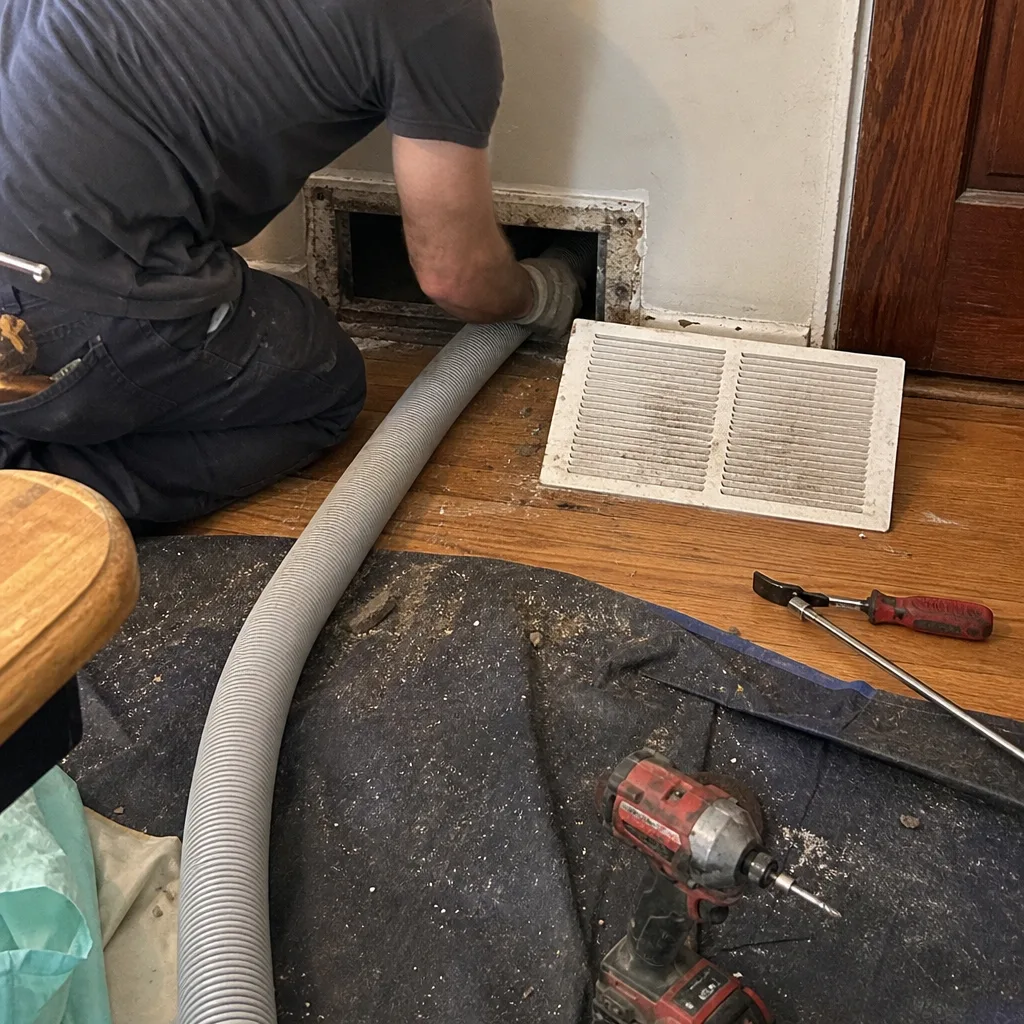 Before
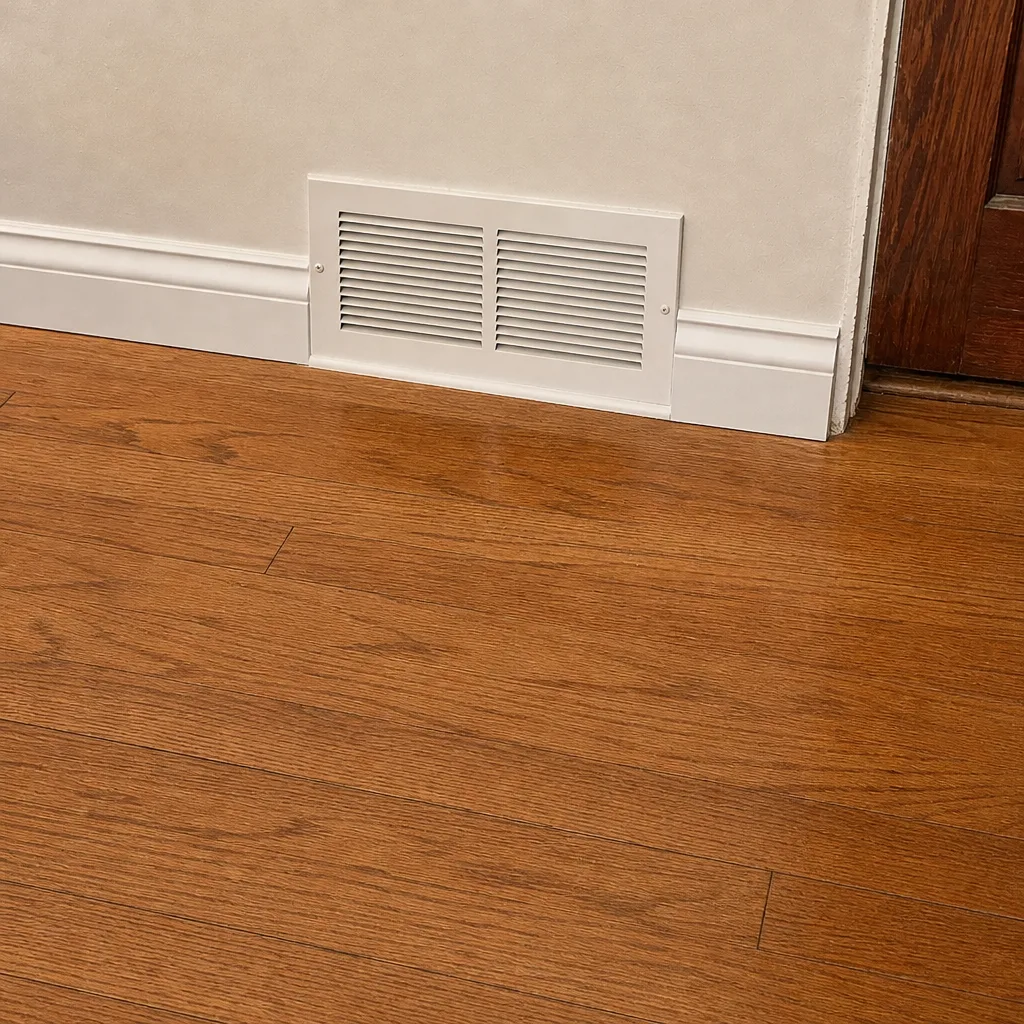 After
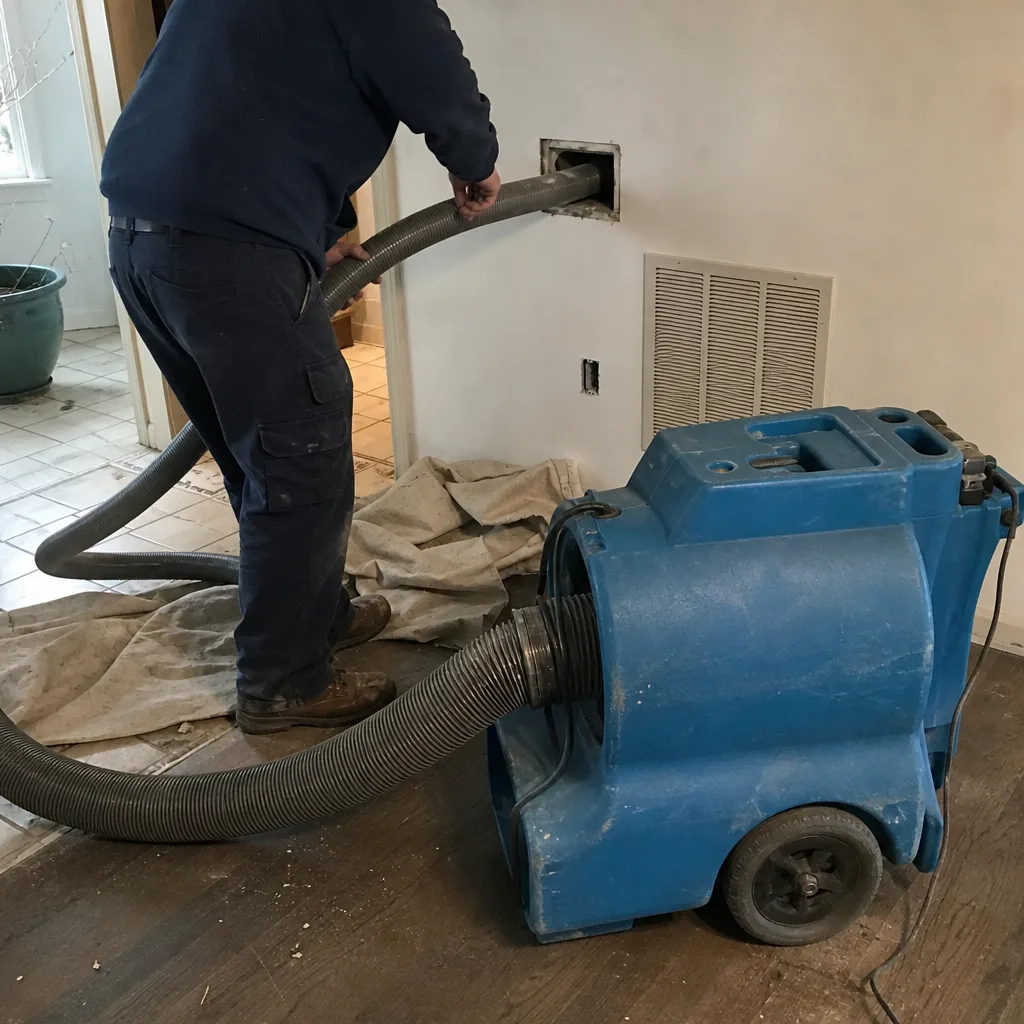 Before
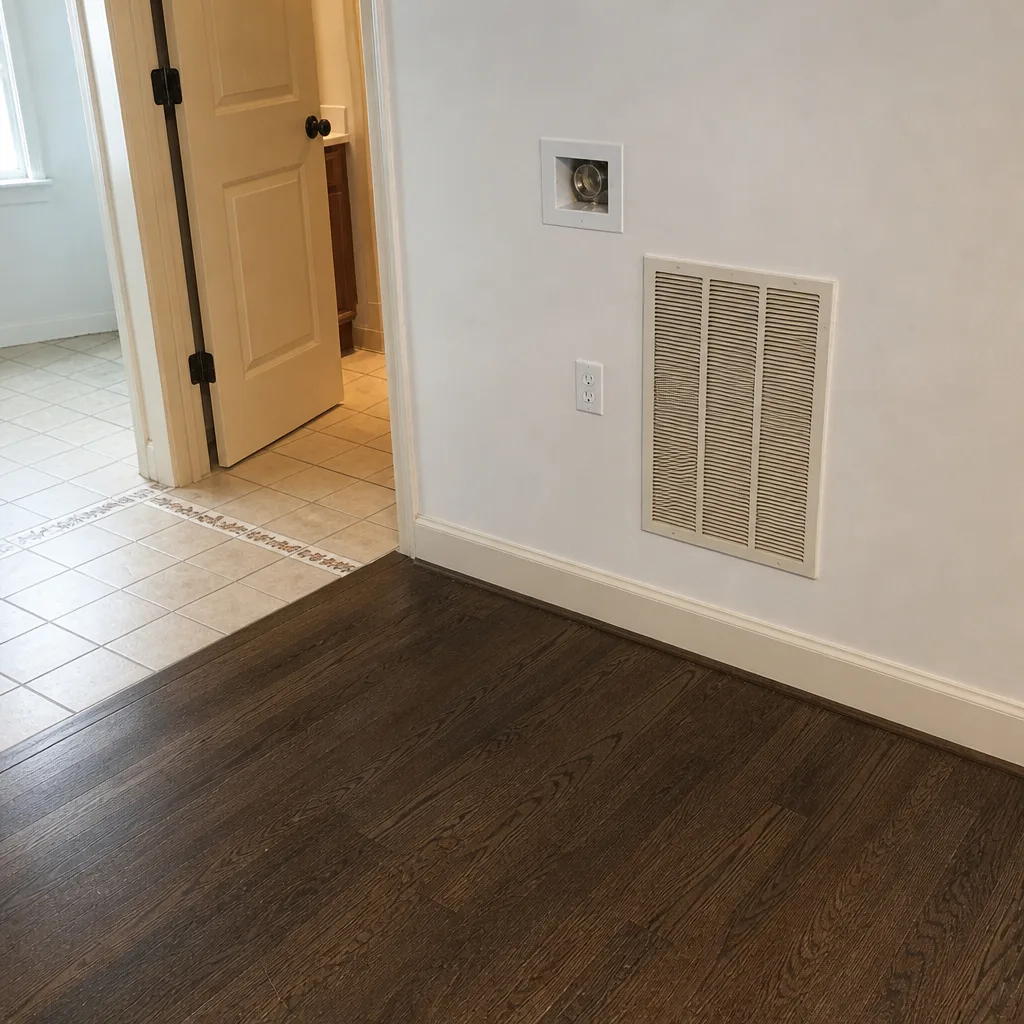 After
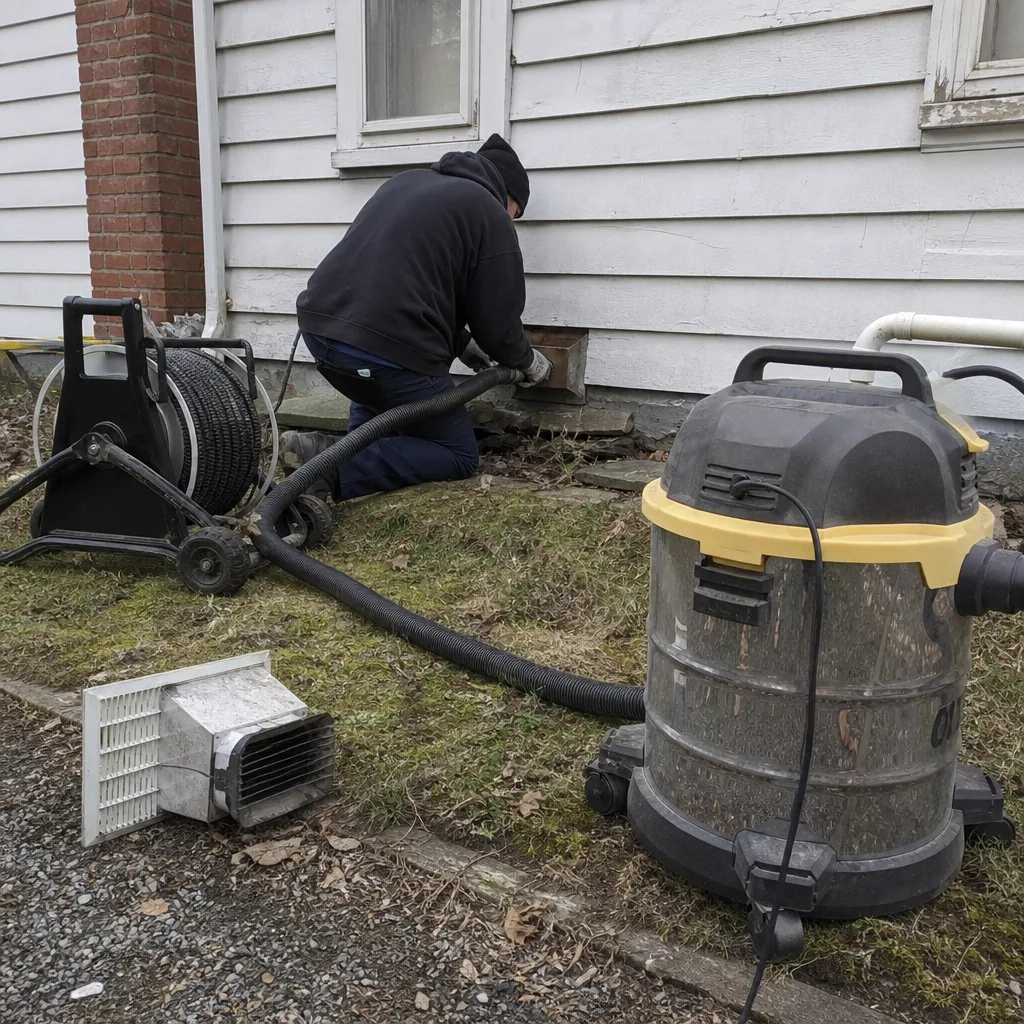 Before
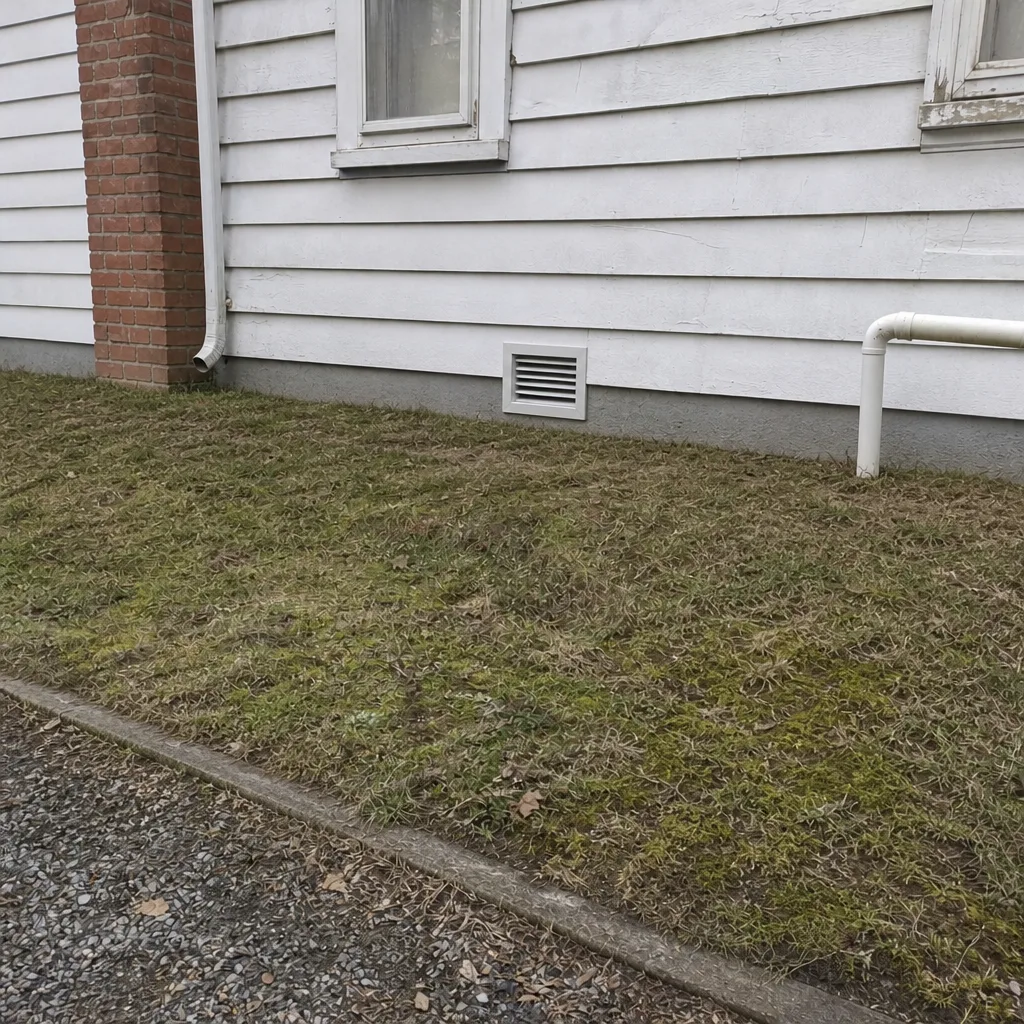 After
When to Call a Professional
Most seasonal care is a yearly rhythm, but specific situations call for a professional inspection outside the calendar. Call if you notice a persistent musty or damp smell when the system starts, visible condensation or moisture on duct surfaces, or condensation in the attic or crawlspace. Call if a household member has new or worsening allergy or respiratory symptoms that track with time indoors. Call after any renovation that generated dust, after a water intrusion or leak, or if you’ve moved into a home with an unknown duct history. And call if you burn wood and haven’t had the connected ductwork inspected before the season. A dryer vent cleaning is worth scheduling separately if you notice longer dry times or a hot dryer exterior. Charleston Air Duct Cleaning Pros offers free estimates in Charleston – call (877) 792-6016. We answer 24/7. Fast dispatch from 7am to 7pm, Sunday through Friday.
Frequently Asked Questions
Once a year is the right baseline for most Charleston homes, timed for late May or early June after pollen season ends. Homes with pets, allergy sufferers, wood-burning appliances, or recent renovation dust often benefit from a fall inspection or a sealing check in addition to the annual cleaning. The single most important timing decision is to clean after spring pollen rather than before winter.
Late May to early June is the best window in Charleston. By then spring pollen has finished depositing, but summer humidity hasn’t yet driven moisture into the system. A cleaning at that point removes the entire spring pollen load and the previous winter’s heating particulate in one visit, and it leaves the ducts clean entering the humid season. Call (877) 792-6016 for a free estimate and to check availability for that window.
Yes. Pollen that gets pulled into the return vents settles in the ducts, and the blower re-suspends it into the air every time the system runs. That keeps pollen circulating indoors long after outdoor pollen counts drop. A cleaning after pollen season, plus higher filtration during peak weeks, is the most effective way to reduce that recirculation. Call (877) 792-6016 to schedule a post-pollen cleaning.
In Charleston’s humid summers, cleaning alone often isn’t enough. Mechanical cleaning removes the dust and debris that feed biological growth, but it doesn’t treat the surfaces where growth has already started. A sanitizing step after cleaning addresses that. We apply Guardsman-grade sanitizing treatments where microbial contamination is a concern. Call (877) 792-6016 to discuss whether your home needs the sanitizing step.
We use commercial-grade duct-cleaning equipment on every job, including Rotobrush and Nikro systems, along with Abatement Technologies air-containment equipment for remediation-grade work. That’s the same class of equipment used in commercial facilities, not consumer-grade shop-vac rigs. It reaches the full length of a duct network and contains the debris it loosens, which matters most during heavy pollen and post-winter cleanings.
It can, because a clean and sealed system runs with less airflow restriction. Restricted airflow makes the blower run longer to move the same volume of air, which stresses the equipment and uses more energy. Cleaning after pollen season and sealing leaks before heating season both reduce that restriction. We don’t quote percentage savings, since every home differs, but the reduction in runtime is real. Call (877) 792-6016 for a free estimate.
The Bottom Line
Charleston’s four seasons each leave a different contaminant in your ducts, and a generic “clean twice a year” schedule misses all of them. Clean in late spring after pollen, inspect and seal in fall before heating season, keep filters fresh through winter, and control humidity through summer. That calendar is built for how Charleston homes actually operate, not for a blended national average. Professional equipment like Rotobrush and Nikro handles the heavy deposition; sealing and filtration keep it from coming back as fast. Get the timing right and your ducts, your air quality, and your HVAC equipment all benefit. For expert Charleston Air Duct Cleaning Pros service, call (877) 792-6016 for a free estimate.
Written by the team at Charleston Air Duct Cleaning Pros.